Advanced Heart Care and Preventive Services
Providing advanced and comprehensive heart care for over three decades



The world of Cardiac Sciences is ever-evolving and has been witnessing groundbreaking advancements, enabling better heart care for patients across all age groups. The advent and rapid progress of various divisions of Cardiac Sciences, including Interventional Cardiology, Non-Interventional Cardiology, Cardiothoracic, and Vascular Surgery, ushered new hopes into the lives of heart patients by facilitating long-term management and preventive care without compromising on the quality of life.
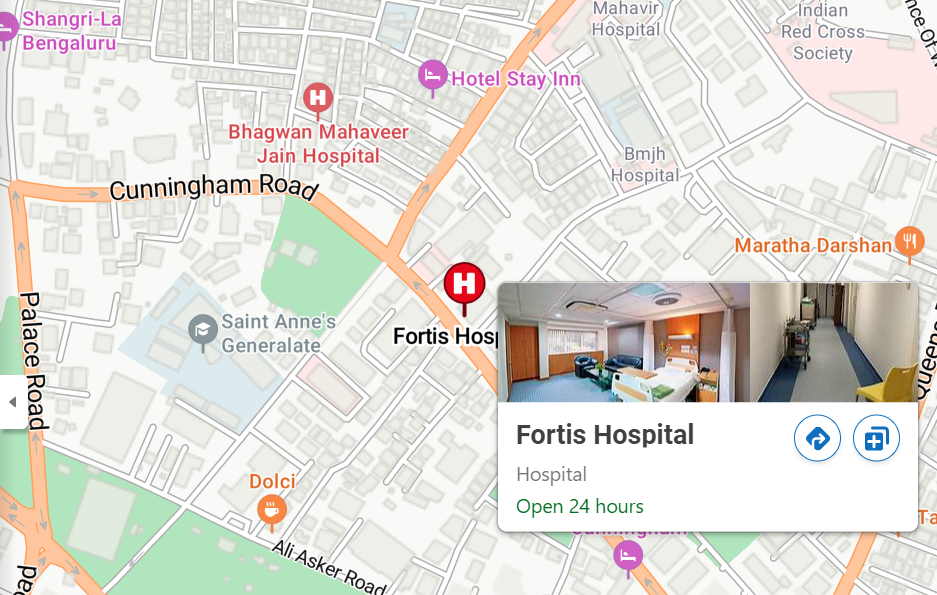
The Department of Cardiac Sciences at Fortis Hospital, Cunnigham Road, Bengaluru, helmed by exceptionally trained Cardiologists and Cardiac Surgeons, holds incredible promise in delivering effective, accessible, and personalized heart care. The Department, aided by highly advanced Cath Lab operation theatres manned by the best paramedical professionals, ensures a proactive approach to heart health, guided by effective preventive strategies and cardiac emergency services to save lives during critical situations.

Interventional Cardiology is a subspecialty of Cardiac Sciences that provides minimally invasive procedures to diagnose and treat various heart conditions. Cardiologists use specially designed catheters and other small instruments to perform interventions without open-heart surgery.
Here are some of the Interventional Cardiology Procedures:
Angiogram:
An angiogram is a diagnostic medical imaging procedure that uses X-rays and a contrast dye to visualize blood vessels in the body, particularly arteries and veins. During the procedure, a catheter is inserted into the blood vessels, and the contrast dye is injected, making the blood vessels visible on X-ray images. Angiograms help identify blockages, narrowing, or abnormalities in blood vessels, aiding in diagnosing and treating various conditions, including heart disease, peripheral artery disease, and vascular malformations. This non-invasive or minimally invasive technique provides valuable insights into blood flow patterns, helping cardiologists plan appropriate interventions.
Angioplasty and Stent Placement:
Angioplasty is a minimally invasive procedure that is performed open blocked coronary arteries, typically caused by plaque buildup or atherosclerosis. During the angioplasty procedure, a small balloon is inflated inside the artery to widen it and restore blood flow. In the case of blocks, a stent—a tiny mesh tube—is placed in the artery to keep it open, preventing re-narrowing and restoring blood flow.
Catheter Ablation:
Catheter Ablation is an essential branch of cardiac electrophysiology and has emerged as a revolutionary procedure that offers hope to millions of individuals suffering from various heart rhythm disorders. This minimally invasive technique has significantly transformed the management of arrhythmias and relieved patients who were previously reliant on medications or unable to find suitable treatments.
Catheter ablation involves threading a thin, flexible catheter through the blood vessels to the heart. Once the catheter reaches the affected area, it uses various techniques to create localized lesions, effectively disrupting the abnormal electrical pathways responsible for the arrhythmia. The goal is to restore the heart's normal rhythm and function.
Percutaneous Valve Interventions:
Procedures such as Transcatheter Aortic Valve Replacement (TAVR) and Transcatheter Mitral Valve Repair (TMVR) allow cardiologists to replace or repair damaged heart valves without traditional surgery, making it a viable option for high-risk patients.
Interventional cardiology has significantly reduced recovery times and complications associated with traditional open-heart surgeries, improving patient outcomes and quality of life.
Non-interventional Cardiology: Comprehensive Heart Care
Non-interventional cardiology focuses on diagnosing and managing heart conditions through medical therapies and lifestyle interventions without invasive procedures. This branch of cardiac care addresses various cardiovascular issues, such as heart failure, arrhythmias, hypertension, and lipid disorders. Non-interventional cardiologists play a crucial role in:
Diagnosis and Risk Assessment:
Non-invasive imaging techniques like echocardiography, stress tests, and electrocardiograms help non-interventional cardiologists accurately diagnose heart conditions and assess patients' risk for cardiovascular events.
Medication Management:
Prescribing and managing medications to control blood pressure, cholesterol levels, and heart rhythm abnormalities are central to non-interventional cardiology.
Lifestyle Modifications:
Cardiologists emphasize lifestyle changes like adopting a heart-healthy diet, regular exercise, smoking cessation, and stress reduction to prevent the progression of heart disease.
Non-interventional cardiology complements interventional procedures by providing ongoing care and support to patients with chronic heart conditions, ultimately promoting long-term health.
Cardio-thoracic and Vascular Surgeries: Restoring Heart Function
Cardio-thoracic and vascular surgeries are major interventions to treat complex heart and vascular conditions. These procedures involve surgical interventions on the heart, thoracic (chest) organs, and blood vessels. Some of the significant surgeries include:
Coronary Artery Bypass Surgery:
It involves grafting healthy blood vessels (often from the patient's body) to bypass blocked or narrowed coronary arteries, ensuring adequate blood supply to the heart.
Heart Valve Replacement/Repair:
Surgical replacement or repair of damaged heart valves is performed to restore proper blood flow and prevent complications.
Aneurysm Repair:
Vascular surgeons repair weakened and enlarged blood vessels (aneurysms) to prevent rupture and potentially life-threatening bleeding.
Congenital Heart Defect Repairs:
Pediatric cardio-thoracic surgeries address heart defects present at birth, ensuring better heart function and normal development in children.
These surgeries require a skilled team of cardiothoracic surgeons, anesthetists, and perfusionists working together to deliver the best possible outcomes for patients with complex heart conditions.
Cardiac Emergency & Preventive Health Checks: Saving Lives through
Cardiac emergencies, such as heart attacks and sudden cardiac arrests, demand immediate medical attention. Quick access to specialized cardiac emergency services and well-equipped cardiac care units can significantly increase the chances of survival and minimize damage to the heart.
The Emergency Care services at Fortis Hospital, Cunnigham Road, Bengaluru, function 24x7, offering best medical care.
In addition to emergency care, preventive health checks play a crucial role in the early detection and management of risk factors for heart diseases. Regular health screenings, including blood pressure checks, cholesterol assessments, and blood glucose monitoring, help identify individuals at risk of heart diseases. Lifestyle interventions, medications, and follow-up care can be implemented promptly to prevent the development or progression of heart conditions.
For more information on our Cardiac Services, appointments, preventive health checks, please contact: 9686860310