Change Language
Fortis Institute of Blood Disorders
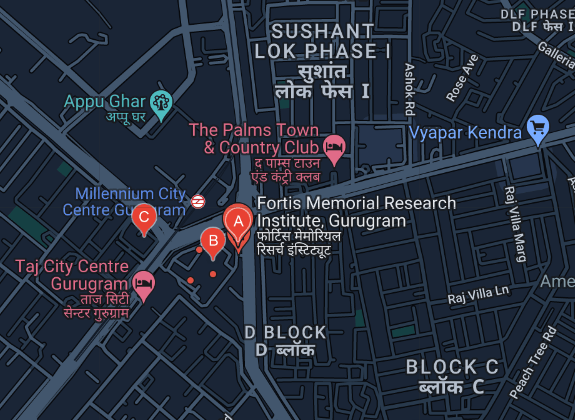
Fortis Memorial Research Institute, Gurugram
Best Bone Marrow Transplant (BMT) Hospital in India – Fortis Hospital, Gurugram

Fortis Hospital, Gurugram stands among India’s leading centres for Bone Marrow Transplant, offering advanced medical expertise, state-of-the-art infrastructure and compassionate care for patients battling complex blood disorders. With a highly experienced team of hemato-oncologists, BMT specialists, and dedicated nursing staff, Fortis Gurugram has earned a reputation for delivering successful transplant outcomes with the highest standards of safety and precision.


Why Choose Fortis Hospital, Gurugram for Bone Marrow Transplant?
1. Expert BMT Specialists : Our BMT programme is led by some of India’s most respected specialists with vast experience in treating conditions such as leukemia, lymphoma, thalassemia, aplastic anemia, and immune deficiency disorders.


2. Dedicated BMT Unit with Advanced Facilities : Fortis Gurugram houses a modern BMT unit with HEPA-filtered rooms, infection-controlled environments, and round-the-clock monitoring to ensure the highest safety for immunocompromised patients.


3. Comprehensive BMT Services : We provide all types of Bone Marrow Transplants, including:

  • Autologous Transplant
  • Allogeneic Transplant (Matched Related, Matched Unrelated, Haploidentical)
  • Pediatric & Adult Transplants
  • Stem Cell Transplants (Peripheral, Bone Marrow, Cord Blood)


4. High Success Rates & Evidence-Based Care : Our transplant outcomes reflect global standards, with protocols designed to minimise complications and enhance recovery. Every patient receives personalized treatment based on their medical condition and genetic profile.


5. Multidisciplinary Support Team : From hematology and oncology to critical care, infectious diseases, nutrition, and psychological support, our integrated team ensures complete care before, during, and after the transplant.


6. Patient-Centric Approach : We understand the emotional and physical challenges of a BMT journey. Our team emphasizes transparent communication, counselling, and holistic support for patients and their families.


Conditions Treated Through Bone Marrow Transplant

Fortis Hospital, Gurugram provides BMT for a wide range of conditions, including:

  • Leukemia (AML, ALL, CML)
  • Lymphoma (Hodgkin & Non-Hodgkin)
  • Multiple Myeloma
  • Aplastic Anemia
  • Thalassemia Major
  • Sickle Cell Disease
  • Immune Deficiency Disorders
  • Bone Marrow Failure Syndromes


Your BMT Journey at Fortis Gurugram

From diagnosis and donor matching to transplant and recovery, every step is managed with precision and compassion. Our team supports patients throughout the entire journey, ensuring comfort, safety, and the best possible outcomes.


Why Choose Us

  • 2000+ Bone Marrow Transplant
  • 20 Beded BMT ICU
  • 200+ Sickle Cell Transplant
  • 150+ Thalassemia Bone Marrow Transplant
  • 100+ Multiple Sclerosis Bone Marrow Transplant
  • One of the largest centres for multiple sclerosis, sickle cell and aplastic anaemia treatment
  • Global Standard of Infection Control Practices

  • Treatment
  • Benefits
  • Procedures
  • Technologies
  • Leukemia: Replaces damaged bone marrow in patients with acute or chronic leukemia, enabling the body to produce healthy blood cells.
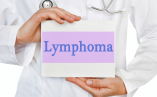
  • In lymphoma, white blood cells called lymphocytes—which are essential for fighting infections—begin to grow uncontrollably. These cancerous lymphocytes accumulate in lymph nodes and other tissues, forming tumors that can spread to other parts of the body.

  • Multiple myeloma is a type of blood cancer that originates in plasma cells, a type of white blood cell found in bone marrow. Plasma cells are crucial to the immune system, as they produce antibodies that help the body fight infections. In multiple myeloma, these plasma cells become cancerous and multiply uncontrollably, crowding out normal, healthy cells in the bone marrow and leading to a range of health complications.

  • Potential Cure: Offers a potential cure for diseases like leukemia, lymphoma, multiple myeloma, and severe blood disorders.

  • Restores Healthy Blood Cell Production: Replaces damaged marrow, allowing for the production of red and white blood cells and platelets.

  • Boosts Immune Function: Helps patients with compromised immune systems build a new immune defense, reducing infections and complications.

  • Reduces Disease Symptoms: Alleviates symptoms like anemia, bleeding, fatigue, and frequent infections, improving overall health.

  • Extends Life Expectancy: Increases survival rates for patients with life-threatening blood cancers or bone marrow failure syndromes.
  • Lessens Dependency on Transfusions: Reduces or eliminates the need for regular blood transfusions in conditions like sickle cell disease and thalassemia.

    • Initial Consultation and Evaluation

      Comprehensive Assessment: The patient undergoes a thorough medical evaluation, including blood tests, imaging (like CT or PET scans), and a bone marrow biopsy, to determine the severity of the disease and suitability for a transplant.
       
    • Preparation (Conditioning Therapy) 

      Chemotherapy and/or Radiation: The patient receives high-dose chemotherapy, sometimes combined with radiation therapy, to:
      Destroy diseased cells in the bone marrow.
      Suppress the immune system to prevent rejection of donor cells (for allogeneic transplants).
      Side Effects Management: Conditioning can cause side effects, such as nausea, fatigue, and lowered immunity. The healthcare team provides supportive care to manage these.
    • Stem Cell Collection (Harvesting)

      For Autologous Transplants: The patient’s stem cells are collected, usually from peripheral blood, after a process of mobilizing stem cells from the bone marrow into the bloodstream.
      For Allogeneic Transplants: The donor’s stem cells are collected either from peripheral blood (using apheresis) or directly from the bone marrow under anesthesia.
    • Transplantation (Stem Cell Infusion)

      Stem Cell Infusion: The harvested stem cells are infused into the patient’s bloodstream through a central line IV, similar to a blood transfusion. 
      Waiting for Engraftment: After infusion, the stem cells travel to the bone marrow, where they begin producing new blood cells.
    • Stem Cell Mobilization and Apheresis

      Stem Cell Mobilization Drugs: Medications like granulocyte-colony stimulating factors (G-CSF) are used to mobilize stem cells from the bone marrow into the bloodstream, making it easier to collect them for transplant.

Our Team of Experts

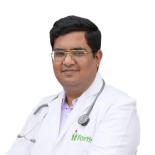
  • Dr. Rahul Bhargava.
    Principal Director & Chief - Hematology, Hemato Oncology & Bone Marrow Transplant
    Oncology
  • Dr. Vikas Dua
    Principal Director & Head - Pediatric Hematology, Hemato Oncology & Bone Marrow Transplant
    Haematology
  • Dr. Sohini Chakraborty
    Additional Director
    Paediatrics
  • Dr. Anusha Swaminathan
    Consultant Hemato-Oncology & BMT
    Oncology
  • Dr. Mehak Trehan
    Associate Consultant Hemato-Oncology & Bmt
    Oncology
  • Dr. Sunisha Arora
    Consultant Paediatric Hemato-Oncology & BMT
    Organ Transplant
  • Dr. Paritosh Garg
    Associate Consultant Hemato-Oncology & Bmt
    Organ Transplant

Our patient’s stories

Blood Cancer is not a death sentence. Listen to Dr. Rahul Bhargava, Principal Director & Chief BMT, Haematology, Haemato-Oncology & BMT, Fortis Memorial Research Institute tell the story of Muqtada, from Iran who has been cancer free for 1

Treated BY: Dr. Rahul Bhargava
Fortis Memorial Research Institute, Gurgaon
Treated BY: Dr. Rahul Bhargava
Fortis Memorial Research Institute, Gurgaon
Find us
Sector - 44, Opposite HUDA City Centre, Gurugram, Haryana 122002
8860022224
Ambulance
9009001050
alt

FAQs

  • Who needs a bone marrow transplant?
    Patients with conditions such as leukemia, lymphoma, multiple myeloma, severe aplastic anemia, sickle cell anemia, thalassemia, and certain inherited immune system or metabolic disorders may need a BMT.
  • How are stem cells collected for the transplant?
    Stem cells can be collected from:Bone Marrow: Harvested directly from the bone marrow, usually from the hip bone, under anesthesia. Peripheral Blood: Collected from the bloodstream after the donor receives medication to increase stem cell production. Umbilical Cord Blood: Collected from the umbilical cord and placenta after childbirth
  • How long does it take to recover from a bone marrow transplant?
    Recovery time varies, but it generally takes several months to a year for the immune system to fully recover. Patients may spend several weeks in the hospital and require close monitoring and follow-up care for an extended period.
  • What is engraftment, and how is it monitored?
    Engraftment is the process by which the transplanted stem cells begin to grow and produce new blood cells in the bone marrow. It is monitored through regular blood tests, which measure the levels of white blood cells, red blood cells, and platelets.
  • How do patients find a bone marrow donor?
    Patients can find donors through: Family Members: Siblings or relatives who may be a match. Donor Registries: National and international bone marrow donor registries, such as the National Marrow Donor Program (Be The Match). Cord Blood Banks: For patients eligible for cord blood transplants.
  • What can patients expect during the hospital stay for a bone marrow transplant?
    Patients will undergo conditioning therapy (chemotherapy and/or radiation), receive the stem cell infusion, and stay in a specialized transplant unit to minimize infection risk. They will receive supportive care, including medications, blood transfusions, and nutritional support, and be closely monitored for complications.
Form Fields
Request callback International Request callback Get an Estimate