

Fortis Hospital, Noida
Comprehensive Liver Transplant & Hepatobiliary Care
Looking for an experienced liver transplant surgeon in Noida or advanced liver transplant treatment in Noida?
The Liver Transplant & Hepatobiliary Sciences Department at Fortis Hospital Noida provides comprehensive care for patients with advanced liver disease, cirrhosis, liver failure, liver cancer, and other complex hepatobiliary conditions. Our multidisciplinary team of liver transplant surgeons, hepatologists, gastroenterologists, anaesthetists, intensivists, and other specialists works together to provide personalized care throughout the transplant journey.
From comprehensive evaluation and transplant planning to donor assessment, surgery, intensive care, and long-term follow-up, our program is supported by advanced medical infrastructure and specialized expertise to provide safe and coordinated care.
Meet Dr. Vivek Vij – Expert Liver Transplant Surgeon
Dr. Vivek Vij is a renowned liver transplant surgeon and Chairman of Liver Transplant at Fortis Hospital. He has extensive experience in living donor liver transplantation and has performed 4,000+ liver transplants.
His expertise includes living donor liver transplantation, complex liver surgery, minimally invasive donor hepatectomy, and management of advanced liver and hepatobiliary diseases.
Important: I would verify the claims “100% donor safety record,” “97% patient success rate,” and “lowest biliary complication rate worldwide” with your hospital's approved clinical/brand team before publishing them. These are strong medical outcome claims and should be supported by current, documented data.
Who May Need a Liver Transplant?
Liver transplantation may be considered for patients with advanced or irreversible liver disease when other treatment options are no longer sufficient.
Common conditions include:
- Liver Cirrhosis caused by viral hepatitis, alcohol-related liver disease, metabolic dysfunction-associated steatotic liver disease (MASLD), or other causes
- Acute Liver Failure caused by certain medications, toxins, viral infections, or autoimmune conditions
- Chronic Hepatitis B & C with advanced liver damage
- Liver Cancer, including selected cases of hepatocellular carcinoma
- Genetic & Metabolic Liver Disorders, including Wilson's disease and other inherited conditions
- Decompensated Liver Disease with complications such as ascites, jaundice, or hepatic encephalopathy
The need and suitability for transplantation are assessed individually by the liver transplant team.

Why Choose Us
-
 Experienced liver transplant and hepatobiliary surgery team
 -
 Living Donor Liver Transplantation (LDLT)
 -
 Deceased Donor Liver Transplantation (DDLT)
 -
 Advanced donor evaluation and transplant assessment
 -
 Dedicated transplant ICU and critical care support
 -
 Multidisciplinary management by transplant surgeons, hepatologists & gastroenterologists
 -
 Comprehensive pre-transplant and post-transplant follow-up
 -
 Paediatric liver transplant services for eligible children
- Treatment
-
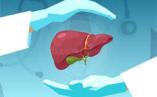
Living Donor Liver Transplantation (LDLT): Living donor liver transplantation involves transplanting a portion of a healthy donor's liver into the recipient. The liver has the ability to regenerate, allowing both the donor and recipient liver portions to grow toward their appropriate size
-
Deceased Donor Liver Transplantation (DDLT): Deceased donor liver transplantation uses a suitable donated liver from an individual who has been declared brain-dead and whose organs are eligible for donation under applicable medical and legal protocols
-

Minimally Invasive & Laparoscopic Donor Hepatectomy: For appropriately selected living donors, minimally invasive or laparoscopic techniques may be used for liver donation, with the aim of reducing surgical trauma and supporting recovery
-
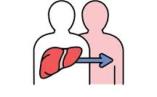
Pediatric Liver Transplantation: Children with severe liver diseases, including certain congenital, metabolic, and genetic conditions, may require liver transplantation. Our multidisciplinary team provides specialized evaluation and transplant care for eligible paediatric patients
-

ABO Liver Transplantation: ABO liver transplantation enables a liver transplant between donors and recipients with different blood groups. Advanced protocols and specialised care help overcome blood-group incompatibility and support successful transplantation.
-

Laparoscopic Donor Hepatectomy: Laparoscopic donor hepatectomy is a minimally invasive technique for liver donation, using small incisions and advanced surgical expertise to reduce pain, minimise scarring, and support faster recovery
-

Resection of Liver Tumours: Liver tumour resection involves surgically removing cancerous or abnormal liver tissue while preserving healthy liver function. Advanced surgical techniques enable precise tumour removal with a focus on safety and recovery
-

Biliary Surgery: Biliary surgery treats conditions affecting the bile ducts and gallbladder, including stones, strictures and tumours. Advanced surgical techniques enable precise treatment while supporting safer procedures and faster recovery
-

Pancreatic Surgery (Whipples procedure): The Whipple procedure is an advanced pancreatic surgery used to treat pancreatic and nearby gastrointestinal tumours. It involves removing affected tissues while preserving healthy structures to support effective treatment and recovery
-

Lap Cholecystectomy: Laparoscopic cholecystectomy is a minimally invasive procedure to remove the gallbladder, commonly used for gallstones and related conditions. Small incisions help reduce pain, scarring and recovery time
-

Lap CBD Exploration: Laparoscopic CBD exploration is a minimally invasive procedure to remove stones or treat blockages in the common bile duct. It offers precise treatment through small incisions, supporting faster recovery and reduced discomfort
-
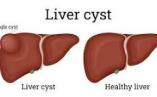
Lap Liver Cyst Excision: Laparoscopic liver cyst excision is a minimally invasive procedure to remove symptomatic or complex liver cysts. Small incisions enable precise treatment while helping minimise pain, scarring and recovery time
-

Lap Appendectomy: Laparoscopic appendectomy is a minimally invasive procedure to remove an inflamed or infected appendix. Small incisions, reduced postoperative discomfort and faster recovery make it an effective surgical option for appendicitis
-

Lap Hernia: Laparoscopic hernia surgery is a minimally invasive procedure to repair abdominal or groin hernias using small incisions. It offers reduced postoperative pain, minimal scarring and faster recovery compared with open surgery
-
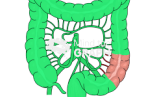
Laparoscopic Colon Cancer:Laparoscopic colon cancer surgery uses minimally invasive techniques to remove cancerous sections of the colon and nearby lymph nodes. Small incisions can help reduce pain, scarring and recovery time while ensuring precise surgical care.
-

Laparoscopic Small Intestine Surgery:Laparoscopic small intestine surgery uses minimally invasive techniques to treat conditions such as tumours, obstruction and perforation. Small incisions help reduce postoperative discomfort, minimise scarring and support faster recovery
-
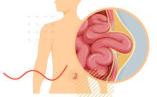
Lap Inguinal and Ventral Hernioplasty: Laparoscopic inguinal and ventral hernioplasty repairs hernias using minimally invasive techniques and mesh reinforcement. Small incisions help reduce postoperative pain, minimize scarring and support faster recovery with effective hernia repair
-

MIPH – for Hemorrhoids: MIPH is a minimally invasive procedure for treating hemorrhoids, offering reduced postoperative pain, minimal bleeding and faster recovery compared with conventional surgical techniques, with an earlier return to daily activities
-
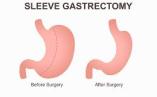
Lap Sleeve Gastrectomy/ Lap Banded Sleeve Gastrectomy: Laparoscopic sleeve gastrectomy and banded sleeve gastrectomy are weight-loss procedures that reduce stomach size, helping control food intake and support sustainable weight management with minimally invasive surgical techniques
-
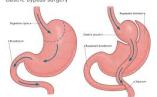
Lap Gastric Bypass/ Lap Banded Gastric Bypass: Laparoscopic gastric bypass and banded gastric bypass are bariatric procedures that reduce stomach capacity and alter digestion, helping achieve significant weight loss and improve obesity-related health conditions
-
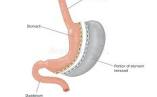
Lap Redo Bariatric Surgery: Laparoscopic redo bariatric surgery addresses complications, inadequate weight loss or weight regain after previous bariatric procedures. Minimally invasive techniques enable precise revision while supporting safer surgery, reduced discomfort and faster recovery
Our Team of Experts
-
 Dr. Vivek VijChairman – Liver Transplant & Hepato - Biliary ScienceGastroenterology and Hepatobiliary Sciences
 -
 Dr. Mukul RastogiDirector Liver TransplantLiver Transplant and Hepatobiliary Sciences
B-22, Sector 62, Gautam Buddh Nagar, Noida,
Uttar Pradesh 201301
FAQs
-
1. What is a liver transplant?A liver transplant is a surgical procedure in which a diseased or non-functioning liver is replaced with a healthy liver or an appropriate portion of a liver from a living or deceased donor
-
2. Who may need a liver transplant?Patients with advanced or irreversible liver disease, acute liver failure, selected liver cancers, or certain genetic and metabolic liver disorders may be considered for transplantation
-
3. Who can donate part of their liver?Living donation is subject to strict medical, psychological, ethical, and legal requirements. Donor eligibility depends on factors including age, overall health, blood-group compatibility, and applicable organ-transplant regulations
-
4. How long does recovery take after a liver transplant?Recovery varies from patient to patient. Hospitalization may last several weeks, while returning to normal activities can take several months. Long-term medical follow-up is required after transplantation
-
5. What is the difference between living and deceased donor liver transplantation?Living donor transplantation uses a portion of the liver from a medically suitable living donor, while deceased donor transplantation uses a donated liver from an eligible deceased donor
-
6. Can children undergo liver transplantation?Yes. Paediatric liver transplantation may be considered for children with severe liver diseases, including certain congenital, genetic, and metabolic conditions