

Living with thalassemia can mean lifelong blood transfusions and iron chelation therapy. However, Bone Marrow Transplant (BMT) is currently the only established curative treatment for thalassemia. At Fortis Hospital, Gurugram, our multidisciplinary team offers advanced bone marrow transplant procedures with international standards of care, giving children and adults the opportunity to live a healthier, transfusion-free life.
Recognized as one of the best hospitals for thalassemia treatment in India, Fortis combines experienced transplant specialists, advanced technology, dedicated transplant ICUs, and comprehensive patient support to deliver world-class outcomes.
Why Choose Fortis Hospital Gurugram for Thalassemia Bone Marrow Transplant?
- One of the best hospitals for thalassemia bone marrow transplant in India
- Highly experienced Bone Marrow Transplant specialists
- State-of-the-art HEPA-filtered transplant units
- Advanced HLA matching and donor evaluation
- Comprehensive pediatric and adult transplant program
- Multidisciplinary team including hematologists, transplant physicians, infectious disease specialists, nutritionists, psychologists, and rehabilitation experts
- Dedicated international patient services
- Personalized pre- and post-transplant care
- High success rates with evidence-based treatment protocols
What is Thalassemia?
Thalassemia is an inherited blood disorder in which the body produces abnormal hemoglobin, leading to severe anemia. Patients often require regular blood transfusions throughout life, which can result in iron overload and complications affecting the heart, liver, and endocrine system.
A Bone Marrow Transplant (BMT) replaces the defective blood-forming stem cells with healthy stem cells from a compatible donor, offering the possibility of a permanent cure.
Who is Eligible for Bone Marrow Transplant?
A transplant specialist will evaluate factors such as:
- Type and severity of thalassemia
- Age and overall health
- Availability of a matched sibling or unrelated donor
- Organ function
- Previous transfusion history
- Iron overload assessment
Early transplantation generally offers better outcomes, particularly in children.
Signs and Symptoms of Thalassemia
- Severe anemia
- Frequent fatigue
- Pale skin
- Delayed growth
- Enlarged spleen
- Bone deformities
- Poor appetite
- Recurrent infections
Early diagnosis and timely treatment significantly improve long-term outcomes.
Benefits of Bone Marrow Transplant
- Potential permanent cure
- Freedom from regular blood transfusions
- Reduced risk of iron overload
- Improved quality of life
- Better growth and development in children
- Increased life expectancy
Why Patients from India and Abroad Choose Fortis
- Internationally trained transplant specialists
- Advanced infection control protocols
- Modern transplant infrastructure
- Dedicated pediatric BMT program
- Comprehensive rehabilitation support
- International patient assistance
- Transparent treatment planning
- Multilingual care coordinators
Patients from India, Bangladesh, Nepal, Africa, the Middle East, and other countries trust Fortis for advanced Bone Marrow Transplant care.

Our Team of Experts
-
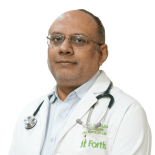 Dr. Rahul BhargavaPrincipal Director & Chief - Hematology, Hemato Oncology & Bone Marrow TransplantOrgan Transplant
 -
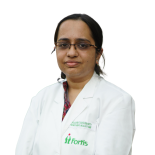 Dr. Sohini ChakrabortyAdditional DirectorHaematology
 -
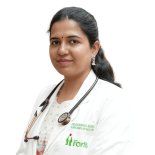 Dr. Sunisha AroraConsultant Paediatric Hemato-Oncology & BMTOrgan Transplant
FAQs
-
Can thalassemia be cured permanently?Yes. Bone Marrow Transplant is currently the only established curative treatment for thalassemia in eligible patients.
-
What is the best age for a Bone Marrow Transplant?Children generally achieve better outcomes when transplantation is performed early, before significant organ damage develops.
-
How long does recovery take?Initial recovery usually takes several weeks, while complete immune system recovery may take several months depending on the patient's condition.
-
Is a sibling donor necessary?o. If a matched sibling is unavailable, matched unrelated or haploidentical family donors may be considered after specialist evaluation.
-
What is the success rate?Success depends on several factors, including patient age, disease severity, donor compatibility, and overall health. Your transplant specialist will discuss expected outcomes based on your individual case.