Gastroenterology Medical Services Under One Roof
Expert Care for Your Digestive Health

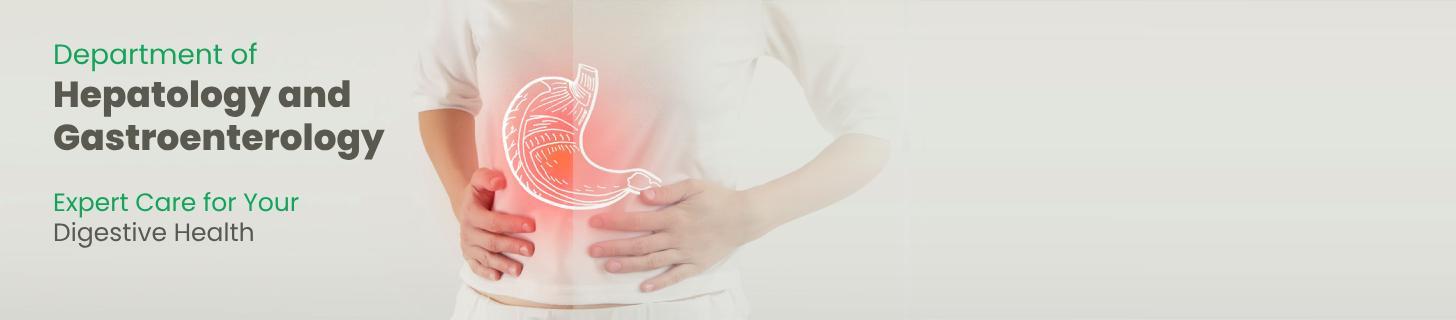




Comprehensive Gastrointestinal and Liver Care
The Department of Gastroenterology and Hepatology at Fortis Hospital offers advanced care for a wide range of gastrointestinal, liver, pancreatic, and biliary disorders. Led by some of the best gastroenterologists in Fortis, our team combines deep clinical expertise with cutting-edge technology to deliver personalized treatment and compassionate care.
Our services include:
If you're looking for information on endoscopy cost in Fortis Hospital, our team can guide you through the procedure details and pricing transparently.
We specialize in treating life-threatening conditions such as:
Our gastro doctors in Fortis are equipped to perform therapeutic procedures like polypectomies, variceal banding, GI stenting, and foreign body removal.
We also offer:
At Fortis, we take pride in delivering care that is not only clinically excellent but also empathetic and patient-focused. Our soothing environment and dedicated staff ensure comfort and satisfaction throughout your treatment journey.






Dedicated suite for GI procedures (Endoscopy, Colonoscopy and ERCP)
Advanced Radiology & Pathology Services
12 Modular OTs
24*7 Emergency Department
CT Scan
MRI Scan
Dedicated ICU & HDU
In-house laboratory & blood bank

Fatty Liver Disease
Fatty liver disease, now commonly referred to as Steatotic Liver Disease (SLD), occurs when excess fat accumulates in the liver, exceeding 5% of its weight. This condition can be classified into two main types: Alcohol-related Liver Disease (ALD) and Metabolic Dysfunction-Associated Steatotic Liver Disease (MASLD), previously known as non-alcoholic fatty liver disease (NAFLD). While early stages may be symptom-free, progression can lead to inflammation (steatohepatitis), scarring (fibrosis), and eventually cirrhosis or liver failure. Common risk factors include obesity, type 2 diabetes, high cholesterol, and excessive alcohol consumption. Diagnosis often involves blood tests, imaging (like ultrasound or MRI), and sometimes liver biopsy. Treatment focuses on lifestyle changes such as weight loss, healthy diet, regular exercise, and managing underlying conditions. In some cases, medications like vitamin E or newer drugs like Resmetirom may be prescribed

Acid Reflux and GERD
Acid reflux occurs when stomach acid flows backward into the esophagus, causing a burning sensation known as heartburn. While occasional acid reflux is common and manageable, frequent episodes may indicate Gastroesophageal Reflux Disease (GERD)—a chronic condition where the lower esophageal sphincter (LES) weakens or relaxes inappropriately. GERD can lead to persistent symptoms such as chest pain, regurgitation, difficulty swallowing, and even respiratory issues like chronic cough or asthma. Risk factors include obesity, smoking, pregnancy, and certain foods or medications. Left untreated, GERD may cause complications like esophagitis, Barrett’s esophagus, or strictures. Treatment typically involves lifestyle changes, dietary adjustments, and medications such as antacids, H2 blockers, or proton pump inhibitors.

Irritable Bowel Syndrome (IBS): The Gastroenterology Department at Fortis Hospital Noida offers expert care for managing Irritable Bowel Syndrome (IBS), a chronic condition that affects the large intestine and can significantly impact daily life. IBS symptoms vary from person to person and often include abdominal pain, bloating, gas, and altered bowel habits. At Fortis Noida, we understand that IBS requires a holistic and tailored approach, combining medical treatment with lifestyle and dietary guidance for effective management. Our team of skilled gastroenterologists, dietitians, and support staff are experienced in providing comprehensive care for IBS.

Hepatitis (A, B, C, and E): At Fortis Hospital Noida, our Gastroenterology Department specializes in the diagnosis and treatment of all types of hepatitis, including Hepatitis A, B, C, and E. Hepatitis refers to the inflammation of the liver, which can be caused by viral infections, alcohol use, certain medications, and autoimmune diseases. Early detection and appropriate management are crucial for preventing complications such as liver cirrhosis, liver failure, and liver cancer. Our dedicated team of hepatologists and gastroenterologists provides expert care and personalized treatment plans for patients with hepatitis.

Liver Cirrhosis: At Fortis Hospital Noida, our Gastroenterology Department specializes in the diagnosis and treatment of liver cirrhosis, a late-stage scarring of the liver caused by various liver diseases, including chronic hepatitis, fatty liver disease, and excessive alcohol consumption. Cirrhosis can lead to serious complications such as liver failure, portal hypertension, and liver cancer. Early intervention and management are crucial to slowing disease progression and improving quality of life.