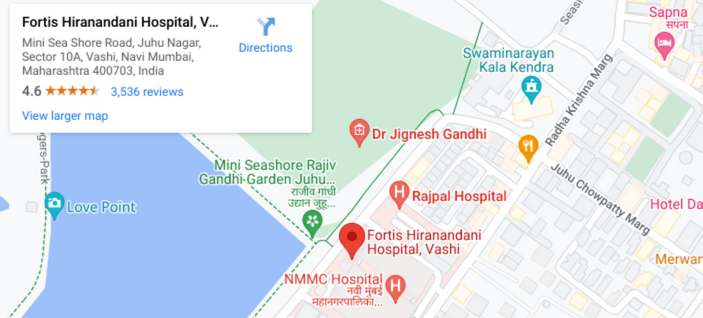
The Department of General Surgery at Hiranandani Fortis Hospital, Vashi, stands at the intersection of medical excellence and compassionate care. Our patient-first philosophy is a cornerstone of our surgical services, ensuring safe, evidence-based, and patient-centric surgical care across various conditions, from routine procedures to complex surgeries requiring advanced skill and state-of-the-art technology.
Our highly experienced general surgeons, who are trained in both open and minimally invasive surgical techniques, are at the forefront of our patient care. Supported by skilled anesthesiologists, advanced diagnostic imaging, and cutting-edge operating suites, we ensure that each patient receives the highest quality of care, emphasizing faster recovery and reduced postoperative discomfort.
Conditions That Need Surgical Precision
The General Surgery Department provides comprehensive care for a wide range of conditions involving the abdomen, digestive system, skin, soft tissues, and endocrine system.
Why Choose Us
-
 Latest Diagnostics & Technology
 -
 Advanced Technology, Robotics
 -
 Personalized treatment
 -
 Proven Track Record – Thousands of successful treatments and surgeries performed
Our Expertise in General Surgery
- Treatment
-
Advanced Diagnostic and Surgical Infrastructure : Accurate diagnosis is critical to the success of any surgical procedure. At Hiranandani Fortis Hospital, Vashi, we use high-end imaging and investigative tools such as:
Ultrasound and Doppler Studies : Ultrasound uses high-frequency sound waves to create real-time images of internal organs, helping detect abnormalities like gallstones, cysts, or tumours. Doppler studies evaluate blood flow through vessels, crucial in assessing varicose veins, deep vein thrombosis, and vascular complications.
Contrast-enhanced CT and MRI Scans :CT (Computed Tomography) and MRI (Magnetic Resonance Imaging) scans provide detailed cross-sectional body views. Combined with contrast agents, these scans clearly highlight blood vessels, tumours, infections, or internal injuries, aiding precise diagnosis and surgical planning.
Upper GI Endoscopy and Colonoscopy :These minimally invasive procedures use a flexible camera to visualize the digestive tract. Upper GI endoscopy examines the esophagus, stomach, and duodenum, while colonoscopy inspects the large intestine. They help diagnose ulcers, bleeding, polyps, tumours, and inflammation.
Diagnostic Laparoscopy :This is a minimally invasive surgical procedure used to view the abdominal and pelvic organs directly. A small incision is made to insert a camera, allowing surgeons to diagnose unexplained abdominal pain, detect endometriosis or tumours, and even take tissue biopsies; all with minimal recovery time.
Our modern operating theatres have advanced surgical tools and laparoscopic towers, ensuring precision, safety, and sterility in every procedure.
-
Gallbladder Diseases : These involve inflammation or blockage of the gallbladder due to stones or infection. Gallstones may cause severe abdominal pain, nausea, and digestive issues. Cholecystitis is the acute inflammation of the gallbladder that often requires surgical removal (cholecystectomy).
Appendicitis and Appendicular Abscesses : Appendicitis refers to inflammation of the appendix, a medical emergency marked by sharp pain in the lower right abdomen. If untreated, it can lead to rupture and infection, forming an abscess that requires drainage along with appendectomy.
Inguinal, Umbilical, Incisional, Femoral, and Hiatal Hernias: Hernias occur when internal tissues or organs push through a weak spot in the abdominal wall. Depending on the type, they may appear in the groin (inguinal, femoral), belly button (umbilical), or following previous surgery (incisional). Hiatal hernias involve the stomach pushing into the chest cavity and can cause acid reflux. Surgery is often needed to prevent complications like strangulation.
Thyroid and Parathyroid Disorders : These endocrine conditions may involve nodules, enlargement (goitre), or tumours of the thyroid or parathyroid glands. Symptoms can include hormonal imbalances, neck swelling, or calcium irregularities and may require partial or total surgical removal of the glands.
Anorectal Conditions: Piles, Fissures, Fistulas, Abscesses, Rectal Prolapse :These affect the lower rectum and anus and may cause pain, bleeding, or discharge. Piles (hemorrhoids) are swollen veins; fissures are small tears; fistulas are abnormal tunnels between the rectum and skin; abscesses are pus-filled swellings; rectal prolapse involves the rectum slipping out. Most of these require surgical or laser interventions.
Abdominal Trauma and Peritonitis : Abdominal trauma refers to injury from blunt force or accidents that can damage internal organs. Peritonitis is a life-threatening inflammation of the abdominal lining, often due to infection or perforation, requiring emergency surgical management.
Benign and Malignant Soft Tissue Tumours : Bening and malignant growths can develop in muscles, fat, nerves, or connective tissues. Benign tumours like lipomas may cause discomfort, while malignant ones are cancerous that require prompt surgical removal to prevent the spread and improve outcomes.
Gastrointestinal Bleeding and Perforation : Bleeding in the Gastrointestinal tract may arise from ulcers, diverticula, or malignancies, presenting as blood in stool or vomiting. Perforation is a hole in the stomach or intestines that leaks contents into the abdomen, often needing urgent surgery.
-
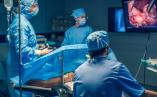
Minimally Invasive (Laparoscopic) Surgeries : Our surgeons are pioneers in performing laparoscopic surgeries, which use small incisions, a camera, and precision instruments to perform procedures with minimal tissue damage. Benefits of laparoscopic surgery include:
- Less postoperative pain
- Minimal scarring
- Faster discharge and recovery
- Lower infection risks
Standard laparoscopic procedures offered include:
- Laparoscopic Cholecystectomy or gallbladder removal
- Laparoscopic Appendectomy
- Laparoscopic Hernia Repair
- Diagnostic Laparoscopy for abdominal pain and infertility evaluation
- Laparoscopic Fundoplication for acid reflux and hiatal hernia
- Laparoscopic Adhesiolysis or release of abdominal adhesions
Our team also specializes in laparoscopic surgeries for obesity (bariatric procedures) in collaboration with our metabolic and obesity experts.
Open Surgical Procedures : While laparoscopic surgery has become standard for many procedures, open surgery is still necessary in certain emergencies and complex conditions. We offer:
- Emergency laparotomies for trauma, perforations, and bowel obstruction
- Open hernia repairs in complicated or recurrent cases
- Wide local excision of tumours
- Breast surgeries, including lumpectomy and mastectomy
- Anorectal surgeries using traditional and laser-based approaches
- Drainage of abscesses and debridement of infected tissues
Each surgery is customized to the patient’s health status, with optimal preoperative evaluation and postoperative follow-up.
Postoperative Care and Recovery : Healing doesn’t end in the operation theatre. Our recovery protocols are just as advanced at Hiranandani Fortis Hospital, Vashi. Our post-surgery care involves:
- Pain management with multimodal approaches
- Nutritional support for healing
- Early mobilization and physiotherapy
- Wound care by trained nurses
- Monitoring for complications and infection control
Patients receive emotional support and practical guidance from hospital stays to at-home recovery.
-
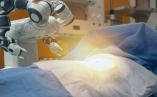
Latest Technology: We invest in advanced imaging modalities, surgical platforms, and laparoscopic towers to enhance precision and reduce surgical risks. From high-definition endoscopic equipment to energy-based devices that minimize bleeding, using the latest technology enables us to perform surgeries with greater accuracy, efficiency, and patient comfort.
Infection-Controlled OTs and ICU Backup for High-Risk Cases : Our state-of-the-art operating theatres follow strict infection control protocols with laminar airflow systems and sterile techniques to ensure maximum safety. For patients undergoing major or emergency procedures, we offer the reassurance of ICU backup, fully equipped and staffed to handle any unforeseen complications, especially for elderly or medically fragile individuals.
Patient-First Philosophy : We believe every patient deserves compassionate, transparent care. From pre-surgical counselling to postoperative recovery, our team ensures patients and their families are well-informed, involved in decision-making, and treated with respect and empathy. We take the time to explain procedures, address concerns, and uphold the dignity of each individual at every step.
Day Care Surgeries : Many of our laparoscopic and minor procedures are offered as day-care surgeries, allowing patients to undergo surgery and return home the same day. This reduces hospital stay and costs, enhances comfort, and minimizes exposure to hospital-acquired infections.
Rehabilitation and Support : Recovery is a journey, and we walk with our patients every step of the way. Our postoperative care team includes specially trained nurses, dietitians, physiotherapists, and care coordinators who assist in wound care, mobility, nutritional support, and follow-up appointments, ensuring a smooth, complication-free transition from surgery to everyday life.
Our legacy of surgical excellence is driven by precision, compassion, and outcomes that speak for themselves.
Our Team of Experts
-
 Dr. Jignesh GandhiConsultant General SurgeryGeneral Surgery
 -
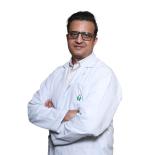 Dr. Sharad SharmaConsultant General SurgeryGeneral Surgery