Change Language
Advanced Aortic Care: Diagnose Early, Treat Better
Expert Solutions for Aortic Disease at Fortis Escorts Heart Institute, New Delhi
About Aorta Conditions at Fortis Escorts Heart Institute

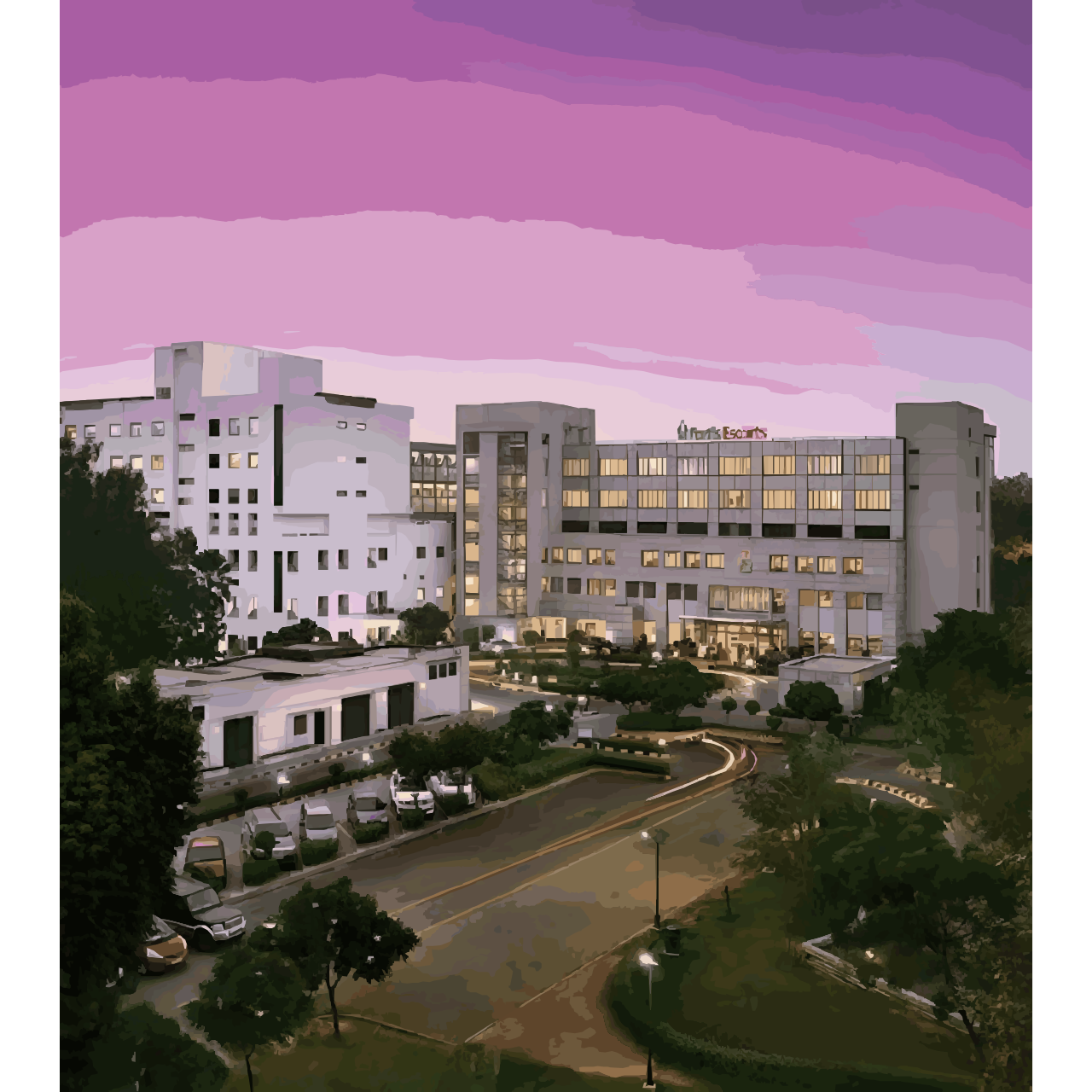
Fortis Escorts Heart Institute, New Delhi, is a prestigious 310-bed hospital recognized globally for its pioneering work in Cardiac Sciences. With a combination of clinical excellence and advanced technology, Fortis Escorts has made significant contributions to saving lives through exceptional treatment and superior patient care. Fortis Healthcare, for the first time in country, has established a comprehensive ‘Aorta Centre’ at Fortis Escorts Heart Institute (FEHI), Okhla, New Delhi. Under the leadership of Professor Shiv Choudhary, a comprehensive, state of the art, Aorta Centre has been established at FEHI, New Delhi. Professor Choudhary is one of the most eminent expert in the field of aortic problems. Before joining Fortis Escorts Heart Institute, Professor Choudhary worked as Head of Department at the prestigious All India Institute of Medical Sciences, New Delhi and has 32-year experience in managing these patients.

What Are Aortic Conditions?

The Aorta is the central core artery of the body, and it supplies oxygenated blood to all the organ systems through its branches. The Aorta can be considered as lifeline of the human body.

The aorta can become damaged and weak, causing it to become dilated (aneurysm) or torn (dissection). In rare cases, it is narrowed or blocked (stenosis or occlusion). These problems increase the risk of having a fatal complication. Certain underlying problems increase the risk of having an aortic pathology. These include aging and hardening of arteries, smoking, raised blood pressure, and genetic predispositions.

Common Aortic Conditions

Aortic Aneurysm: A bulge or ballooning in the aorta that can potentially rupture.

Aortic Dissection: A tear in the aorta's inner layer, causing severe pain and potentially life-threatening complications.

Aortic Stenosis: A narrowing of the aortic valve, obstructing blood flow from the heart.

Signs and Symptoms

Recognising symptoms early can be crucial. Look out for:

  • Severe chest pain or back pain
  • Shortness of breath
  • Unexplained weight loss
  • Persistent cough or hoarseness

Risk Factors

Certain factors increase your risk of aortic conditions, including:

  • High blood pressure
  • High cholesterol
  • Smoking
  • Genetic conditions
  • Family history of aortic disease

Why Choose Us

  • Professor Shiv Choudhary, former HOD at AIIMS, New Delhi is the Clinical Lead - Aorta Centre
  • Team of experts with expertise in handling complex aortic conditions
  • Precise and accurate assessments of aortic conditions
  • Multidisciplinary approach for comprehensive care
  • Successful outcomes in treating aortic disease

Our Team of Experts

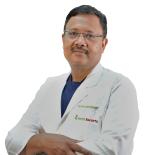
  • Dr. Shiv Kumar Choudhary
    Executive Director Cardio Thoracic Vascular Surgery
    Cardiac Sciences
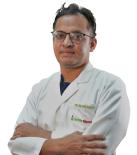
  • Dr. Milind Padmakar Hote
    Director Cardio Thoracic Vascular Surgery
    Cardiac Sciences
Find us
Fortis Escorts, Okhla Road, Opposite Sukhdev Vihar Metro Station, New Delhi - 110025
9818797606 | 011 47135000
Ambulance
900 900 10 50

FAQs

  • What is the Aorta and what is its function in the body?
    The Aorta is the central core artery of the body, supplying oxygenated blood to all organ systems through its branches. It can be considered the lifeline of the human body.
  • What are some potential issues that can affect the Aorta?
    The Aorta can become damaged and weak, leading to conditions such as dilation (aneurysm) or tearing (dissection). In rare cases, it may also be narrowed or blocked (stenosis or occlusion), which increases the risk of fatal complications.
  • What factors increase the risk of aortic pathologies?
    Certain underlying factors, such as aging, hardening of arteries, smoking, raised blood pressure, and genetic predispositions, can increase the risk of aortic conditions.
  • Why is timely diagnosis and treatment of aortic conditions important?
    With increasing life expectancy and better diagnostic tools, more cases of aortic pathologies are being diagnosed. Failure to diagnose or treat these conditions in a timely manner is often fatal. Aortic diseases are the tenth most common cause of death in the developed world.
  • What approach is necessary for diagnosing and treating aortic conditions?
    A multidisciplinary approach is essential, involving cardiac surgeons, vascular surgeons, interventionists, cardiologists, radiologists, intensivists, and cardiovascular pathologists. Expertise from neurologists, and nephrologists may also be required.
  • What challenges are there in managing aortic problems globally?
    Aortic problems are managed at a limited number of centers worldwide, including very few in India. These centers often lack the comprehensive expertise and facilities needed to effectively manage such complex cases.
  • What initiative has Fortis Escorts Heart Institute taken to address this issue?
    Fortis Escorts Heart Institute, New Delhi has established a comprehensive and state-of-the-art 'Aorta Centre', under the leadership of Professor Shiv Choudhary, a leading expert in aortic problems and has 32-year experience in managing these patients.
  • What services will the Aorta Centre provide?
    The Aorta Centre will offer extensive multispecialty investigations for complex aortic diseases, including aneurysms, dissections, and genetic disorders. The expert team will conduct evaluations and provide a full range of treatment options, including medical care, family screening, and both endovascular and open surgical options.
  • How will the Aorta Centre impact research and treatment in India?
    The Aorta Centre aims to revolutionise the management of aortic problems and will facilitate India-centric research in this field, improving outcomes for patients with complex aortic conditions.
  • How is an aortic aneurysm typically diagnosed?
    Aortic aneurysms are usually diagnosed through imaging techniques such as ultrasound, CT scans, or MRIs. These tests help visualize the size and extent of the aneurysm.
  • What lifestyle changes can help reduce the risk of aortic diseases?
    Adopting a heart-healthy lifestyle can significantly lower risk factors. This includes quitting smoking, maintaining a healthy diet, exercising regularly, managing stress, and controlling blood pressure and cholesterol levels.
  • What role does genetic testing play in managing aortic conditions?
    Genetic testing can identify individuals at higher risk for certain aortic diseases, allowing for early monitoring and preventive measures in at-risk family members.
  • What types of surgical interventions are available for aortic issues?
    Surgical options may include open-heart surgery to repair the aorta or minimally invasive procedures such as endovascular stent grafting, depending on the severity and location of the condition.
  • What are the long-term outcomes for patients with aortic conditions after treatment?
    With appropriate treatment and lifestyle changes, many patients experience significant improvement in their quality of life and can lead normal, healthy lives. Regular follow-up care is essential for monitoring and managing any ongoing risks.
Form Fields
Request callback International Request callback Get an Estimate