

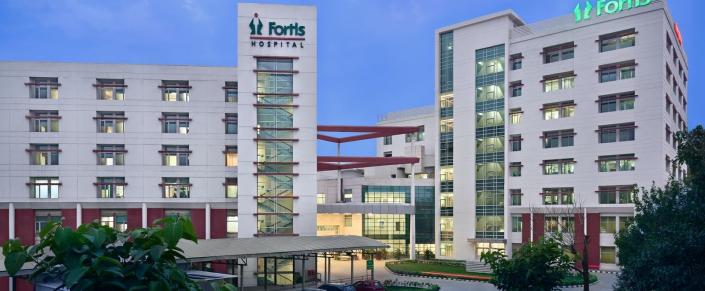
Fortis Hospital, Noida
Fortis Hospital, Noida is a super-speciality centre dedicated to the prevention, diagnosis, treatment, and rehabilitation of brain, nerve, muscle, and movement disorders. The Department of Neurology offers state-of-the-art diagnostics like EEG, Video EEG, NCV, EMG, and SSEP, and provides comprehensive care for a wide range of neurological conditions.
With a dedicated stroke program, cutting-edge therapies, and a highly experienced team, Fortis Noida has also been awarded the Best Hospital for Brain Stroke Management in North India by the World Stroke Organisation.
Our Key Services
- Stroke Thrombolysis for acute stroke
- Advanced therapy for movement disorders
- Comprehensive stroke and neuro rehabilitation
- State-of-the-art neurodiagnostics: EEG, Video EEG, NCV, EMG, SSEP
- Medication, pain management, and cognitive therapies
- Supportive therapies like speech, physical, and occupational therapy
Why Choose Us
-
 25+ years of experienced team of neurologists and neurosurgeon
 -
 Neuro ICU for critical care
 -
 State-of-the-art operation theatres
 -
 Advanced neurological diagnostics – MRI, CT Scans, EEG, EMG, NCV
 -
 Stroke Rehabilitation Programs
Medical Conditions Related To Neurology
- Treatment
-
Stroke and Cerebrovascular Diseases: Disruption of blood flow to the brain, either due to blockage (ischemic) or bleeding (hemorrhagic).
-
Epilepsy and Seizure Disorders: Chronic neurological condition causing recurrent, unprovoked seizures.
-
Headaches and Migraines: Chronic headaches and migraines that significantly affect quality of life.
-

Parkinson’s Disease and Movement Disorders: A progressive neurological disorder affecting movement due to dopamine cell loss.
-
Dementia and Alzheimer’s Disease: Symptoms include memory decline, reasoning, and communication problems.
-

Multiple Sclerosis and Autoimmune Disorders: The immune system attacks the protective covering of nerves (myelin).
-

Spinal Cord and Nerve Disorders: Damage to the spinal cord or nerves that disrupts brain-body signal transmission.
-
Neuropathy and Muscle Disorders: Damage to peripheral nerves affecting muscle control and sensation.
Our Team of Experts
-
 Dr. Jyoti Bala SharmaDirector NeurologyNeurology
B-22, Sector 62, Gautam Buddh Nagar, Noida,
Uttar Pradesh 201301
FAQs
-
1. Who is a Neurologist?A neurologist is a doctor who specializes in diagnosing and treating conditions affecting the nervous system, including the brain, spinal cord, nerves, and muscles.
-
2. How can I book an appointment with a neurologist at Fortis Hospital Noida?You can book an appointment by: - Calling our hospital’s appointment line at 84477 17722 - By downloading our MyFortis App
-
3. What kind of problems does a neurologist treat?Common conditions include: Headaches, Migraine, Epilepsy, Stroke, Parkinson’s disease, Alzheimer’s, Sleep disorders, Vertigo, Muscular Dystrophy, Spinal Cord Injury, Head Injury, etc.
-
4. What treatments are available for neurological disorders?Our treatment options are tailored to each patient and may include: • Medications (seizures, pain, MS, etc.) • Physical therapy & rehabilitation • Minimally invasive and neurosurgical procedures • Pain management (nerve blocks, spinal stimulation) • Speech & cognitive therapies
-
5. Do you offer rehabilitation services for neurological disorders?Yes. We offer: • Physical therapy • Occupational therapy • Speech and cognitive therapy • Psychological support
-
6. How is a stroke treated at Fortis Hospital Noida?At Fortis Hospital Noida, we offer rapid diagnosis and treatment for stroke, which may include: • Thrombolysis (clot-busting drugs) • Endovascular therapy (minimally invasive) • Full rehabilitation: physical, occupational, and speech therapy
-
7. How do I know if I or someone I know is having a stroke?Look for these signs: • Face drooping • Arm weakness • Speech difficulty Call emergency services immediately if any of these symptoms are present