The brain and nervous system, the essence of our being, regulate every breath, movement, emotion, and thought. Disorders affecting these vital organs can be daunting, both physically and emotionally. The Department of Neurosciences, at Hiranandani Fortis Hospital is a comprehensive care provider, bringing together a multidisciplinary team of neurologists, neurosurgeons, neurophysiologists, neurorehabilitation specialists, and intensive care experts. We offer integrated care that is personalized, evidence-based, and aligned with global best practices, providing you with a sense of reassurance and confidence in our services.
At Fortis Hiranandani Hospital, Vashi, the Department of Neurosciences stands as a beacon of hope for patients and families navigating the complexities of neurological disorders. Combining cutting-edge medical technology with a deeply empathetic approach, our department offers comprehensive neurological and neurosurgical care under one roof, ensuring you feel understood and cared for throughout your journey.
Whether you are seeking help for migraines or managing a complex neurodegenerative disease, our team is here to guide you with precision, integrity, and warmth, ensuring you feel secure and in good hands.
We cater to patients of all ages, from newborns with neurological anomalies to the elderly facing memory or movement disorders, in a supportive environment that prioritizes dignity and quality of life.
Diagnostics and Technology:
Accurate diagnosis is the foundation of effective treatment. At Fortis Hiranandani, our neurodiagnostic suite is equipped with:
High-Resolution MRI & CT Scans
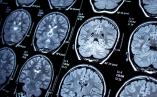
Magnetic Resonance Imaging (MRI) and Computed Tomography (CT) scans are cornerstone imaging tools used to diagnose neurological conditions. MRI uses strong magnetic fields and radio waves to create detailed, high-resolution images of the brain, spine, and surrounding soft tissues, making it exceptionally useful for identifying conditions like brain tumours, multiple sclerosis, spinal cord compression, or stroke. On the other hand, CT scans use X-rays to produce rapid cross-sectional images of the brain, which are often the first line of investigation in cases of head trauma, suspected bleeding, or bone-related abnormalities. Together, these scans allow clinicians to pinpoint neurological disorders with precision.
Electroencephalography (EEG)
EEG is a non-invasive diagnostic tool that measures the brain’s electrical activity using sensors placed on the scalp. It is primarily used to evaluate seizures and epilepsy but also plays a vital role in diagnosing sleep disorders, encephalopathies, and altered mental states. EEG is particularly beneficial in monitoring brain activity in patients with head injuries or those under sedation and in confirming brain death in critical care situations. The patterns captured during EEG recordings offer insights into abnormal brain rhythms and neurological dysfunctions.
Nerve Conduction Studies (NCS) & Electromyography (EMG)
These tests are essential for evaluating the health of nerves and muscles. Nerve Conduction Studies involve the application of mild electrical impulses to assess how quickly signals travel along the nerves, helping identify nerve damage, entrapment syndromes like carpal tunnel, or generalized neuropathies. Electromyography complements this by inserting fine needles into muscles to record their electrical activity during rest and contraction. EMG is beneficial for detecting muscular disorders, nerve root compression, or conditions like myasthenia gravis and motor neuron disease.
Evoked Potentials (Visual, Auditory, Somatosensory)
Evoked potential tests are used to assess the functional integrity of sensory pathways by measuring the brain's electrical response to specific stimuli. Visual Evoked Potentials (VEP) test the visual system’s response to light patterns, helping diagnose optic nerve damage or demyelinating diseases like multiple sclerosis. Auditory Evoked Potentials (AEP) evaluate the auditory pathways from the ear to the brainstem and are particularly useful in detecting hearing loss or brainstem lesions. Somatosensory Evoked Potentials (SSEP) assess the transmission of electrical signals from limbs to the brain and are valuable in spinal cord injury evaluations or surgical monitoring.
Why Choose Us
-
State-of-the-Art Facilities & Technology
-
Highly Experienced Neuro-Team – Recognized leaders in the field
-
Pioneers in Neuro-Care – Serving the community for 12 years
-
Proven Track Record – Thousands of successful treatments and surgeries performed
-
Collaborative Care Approach – A team of specialists working together to give you the best outcomes
Our Neuro-Sciences Expertise Includes
- Treatment
-
Stroke & Transient Ischemic Attack (TIA): Emergency stroke management with advanced imaging and thrombolysis protocols.
Epilepsy: Diagnosis and long-term management of seizures, including drug-resistant epilepsy.
Parkinson’s Disease & Movement Disorders: Tailored medical therapy, botulinum toxin injections, and surgical options.
Multiple Sclerosis (MS) & Demyelinating Diseases: Immunomodulatory treatments and monitoring.
Headaches & Migraines: Holistic headache clinics offering lifestyle, medication, and trigger management.
Neuropathy & Myopathy: Specialized care for nerve and muscle disorders, including diabetic neuropathy.
Vertigo, Dizziness & Balance Disorders
Neuroinfections: Meningitis, encephalitis, and spinal infections.
-
Neurosurgery :
Brain Tumours: Minimally invasive and complex skull base surgeries using neuronavigation.
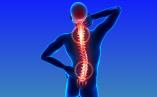
Spinal Disorders: Discectomy, spinal decompression, stabilization, and tumour removal.
Traumatic Brain Injuries: 24/7 neurosurgical interventions supported by a dedicated Neuro ICU.
Hydrocephalus & Congenital Anomalies: Advanced pediatric and adult neurosurgical care.
Aneurysms & Vascular Malformations: Microsurgical and endovascular expertise.
Functional Neurosurgery: Surgeries for epilepsy and movement disorders, including Deep Brain Stimulation (DBS).
Minimally Invasive Spine Surgery (MISS) and Endoscopic Neurosurgery
-
Digital Subtraction Angiography (DSA)
DSA is an advanced imaging technique that provides highly detailed views of the brain’s blood vessels. A contrast dye is injected into the bloodstream, and rapid X-ray images are taken while subtracting bone and soft tissue structures to highlight vascular details. DSA is crucial in diagnosing aneurysms, arteriovenous malformations (AVMs), and cerebral vessel blockages. It is often used as a preoperative evaluation tool before neurosurgical or endovascular interventions, offering unmatched clarity in cerebrovascular assessments.
Neuropsychological Testing
Neuropsychological testing comprehensively assesses cognitive, emotional, and behavioural functions. Through standardized tasks and questionnaires, it evaluates memory, attention, problem-solving skills, language abilities, and mood-related concerns. These tests are critical in diagnosing and managing conditions such as dementia, traumatic brain injury, learning disorders, stroke recovery, and psychiatric illnesses. The results help clinicians develop personalized rehabilitation plans and monitor disease progression or treatment effectiveness over time
Our Team of Experts
-
 Dr. Ashok HandeConsultant Neuro SurgeryNeurosurgery
 -
 Dr. Samir Jagannath KaleConsultant Neuro And Spine SurgeryNeurology