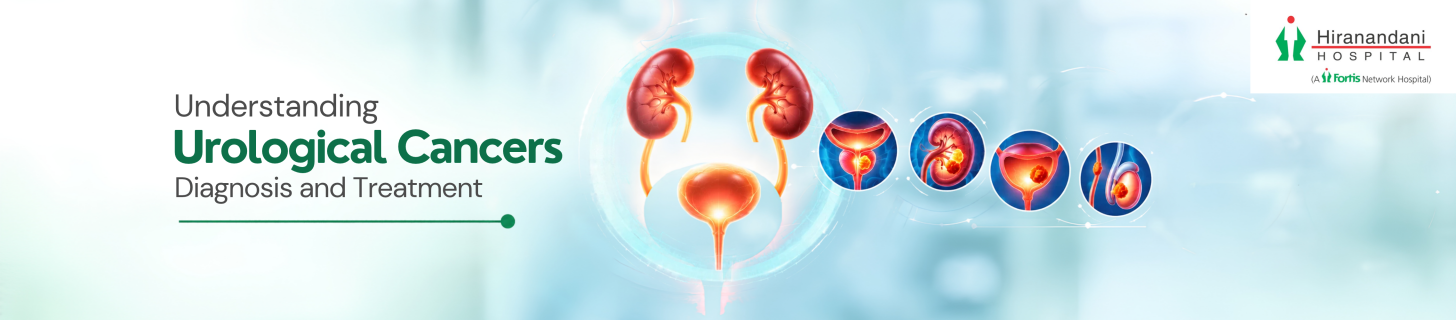
Fortis Specialist Uro-oncology Treatment at Mangal Anand Hospital, Chembur
Uro-oncology is a specialized field of urology concerned with cancers affecting the urinary system and male reproductive organs. These include prostate, kidney and bladder cancers as well as selected cancers of the ureter and testis.
Understanding the condition, available diagnostic investigations and possible treatment approaches can help patients and families prepare for discussions with their treating doctor.
Symptoms That May Need Medical Evaluation
Some urological cancers cause few or no symptoms in their early stages. When symptoms occur, they may include:
- Blood in the urine
- Persistent changes in urinary frequency or flow
- Difficulty passing urine
- A lump or swelling in a testicle
- Persistent discomfort in the side or back without an established explanation
- An abnormal finding on imaging or other investigations
These symptoms can have causes other than cancer. Their presence does not confirm a cancer diagnosis.
Blood in the urine should be medically assessed even if there is no pain or the bleeding stops. Sudden inability to pass urine requires urgent medical attention.
How Are Urological Cancers Diagnosed?
The diagnostic process depends on the suspected cancer and the patient's medical history. Investigations may include:
1. Clinical assessment - The doctor reviews symptoms, medical history, examination findings and relevant risk factors.
2. Laboratory investigations - Blood and urine tests may help assess the condition and guide further evaluation.
3. Imaging - Ultrasound, CT or MRI may be recommended depending on the suspected cancer and clinical findings.
4. Endoscopic evaluation or biopsy - Procedures such as cystoscopy or tissue biopsy may be required to examine abnormalities and establish a diagnosis.
5. Assessment of disease extent - When cancer is confirmed, further investigations may be needed to determine its stage and guide treatment planning.
Not every patient requires all investigations. The treating doctor determines which tests are appropriate.
Understanding Treatment Options
Treatment is based on the cancer type, stage, tumour characteristics, the patient's general health and personal circumstances.
Depending on the diagnosis, options may include:
1. Active Surveillance - For selected cancers with a low risk of progression, monitoring may be appropriate instead of immediate treatment. This requires a structured follow-up plan.
2. Surgery - Surgery may be recommended to remove a tumour or affected tissue when clinically indicated. The type of procedure depends on the location and extent of the disease.
3. Minimally Invasive and Robotic-Assisted Surgery - For selected patients, minimally invasive procedures may be considered. Robotic assistance may be appropriate for certain operations depending on the clinical indication, surgeon's assessment and availability of the service.
4. Other Cancer Treatments - Depending on the cancer, treatment may involve medicines, radiation therapy or other specialist-led approaches. Some patients may require coordination between urology, medical oncology, radiation oncology and other specialties.
No single treatment is suitable for every patient. The benefits, risks and alternatives should be discussed with the treating team.
What Is the Role of a Uro-Oncology Specialist?
A uro-oncology specialist evaluates suspected or confirmed cancers affecting the urinary system and male reproductive organs. The specialist may help patients understand their investigation findings, determine whether further tests are needed, discuss suitable treatment options and plan follow-up care.
Patients who already have a diagnosis may bring their previous reports and treatment records for review.
Fortis Specialist Uro-oncology Services at Mangal Anand Hospital, Chembur
Mangal Anand Hospital, Chembur provides uro-oncology services for the assessment and management of uro-oncology conditions.
For information about the hospital's uro-oncology services, relevant diagnostic facilities and available treatment procedures, contact the hospital through its official communication channels.
What Conditions Does Uro-Oncology Cover?
- Treatment
-
Prostate Cancer: The prostate is a gland in the male reproductive system. Prostate cancer may develop without noticeable symptoms in its early stages.
Evaluation may involve a medical history, physical examination, prostate-specific antigen (PSA) testing, imaging and biopsy where indicated. The appropriate approach depends on the patient's individual risk factors and clinical findings.
-
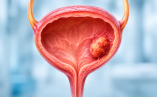
Bladder cancer develops in the tissues of the urinary bladder. Blood in the urine is an important symptom that requires medical evaluation, even if it occurs only once.
Investigations may include urine tests, cystoscopy, imaging and tissue examination where indicated. Management depends on the type and stage of the cancer.
-
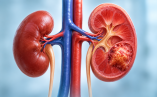
Kidney cancer develops when abnormal cells grow within kidney tissue. Some kidney tumours are detected incidentally during imaging performed for another reason.
Assessment may involve imaging, blood and urine tests and other investigations as clinically indicated. Treatment depends on the tumour's size, location, extent and the patient's overall health.
-
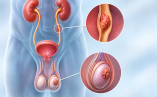
Ureter and Testicular Cancers: Cancers can also affect the ureters, which carry urine from the kidneys to the bladder, and the testicles, which are part of the male reproductive system.
A new lump, swelling or persistent change should be evaluated by a qualified medical professional. The investigations and treatment approach depend on the suspected condition.
Our Team of Experts
-
 Dr. Soumyan DeyDirector UrologyUrology
48, Sion - Trombay Rd, Swastik Park, Chembur, Mumbai, Maharashtra 400071