
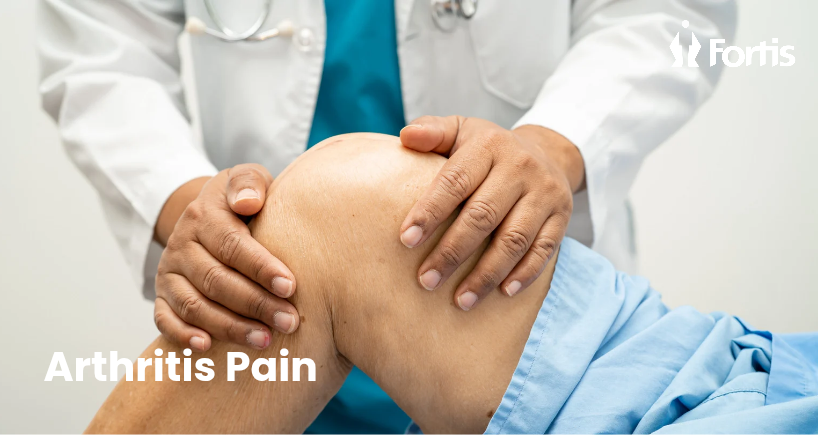


Arthritis Treatment in Mumbai
Arthritis Treatment in Mumbai
Struggling with Arthritis Pain? Here are 6 Ways to Maintain Joint Health This Winter
The winter season can be a difficult time, especially if you’re living with arthritis, which is extremely common in the elderly. That’s because colder temperatures can exacerbate the symptoms, such as joint pain and stiffness. Many people who suffer from arthritis report experiencing heightened joint pain and aches during the colder months. While the link between cold weather and arthritis is not well understood, one possible reason could be frigid temperatures, which can reduce blood flow and cause muscle spasms. Whether you’re living with arthritis or dealing with unexplained joint pain, know that Fortis Hospital, Mulund, has exceptionally skilled rheumatology experts who can evaluate you and craft a treatment plan tailored to your unique needs.
Arthritis affects more than 350 million people worldwide, making it a leading cause of pain and limited mobility. In India, the number is overwhelming, with over 195 million people, or 1 in 6, suffering from arthritis-related pain, as per a study conducted under the WHO-COPCORD. Keep reading to learn more about arthritis and what you can do to reduce cold weather-related joint pain and stay healthy this winter.
What is Arthritis?
Arthritis is an umbrella term for a range of disorders involving the joints, causing pain, inflammation, and limited movement. There are more than 100 types of arthritis, each with different symptoms, causes, and treatments. The two most common types are osteoarthritis (a chronic disease of the joints) and rheumatoid arthritis (an autoimmune disease). Other forms of arthritis include gout, ankylosing spondylitis, psoriatic arthritis, and juvenile idiopathic arthritis.
Symptoms and causes of arthritis
Arthritis symptoms can vary, depending on the type. Common symptoms of arthritis may include joint pain, stiffness or reduced range of motion, swelling or inflammation, and warmth or redness near your joints. Symptoms usually get worse with age.
Arthritis can be caused by many things and not just old age. Possible causes may include wear and tear of the joint from overuse or injury, an infection, or an immune system dysfunction. Sometimes, arthritis can happen with no obvious cause. Certain factors, such as age, family history, obesity, and being a woman, may make you more likely to develop arthritis.
There is no cure for arthritis, but many effective treatment options are available to help manage pain and other symptoms. Treatments may include medication, physical therapy, lifestyle changes, and surgery, in some cases. The main goal of treatment is to prevent joint damage and improve your quality of life.
What Can You Do to Reduce Arthritis Pain in Winter?
There are many things you can do to help ease joint pain and stiffness when the temperature drops:
- Keep warm – wear multiple layers of clothing, including scarves, gloves, and socks, to maintain body heat and keep your joints warm.
- Stay active – regular exercise and physical activity are essential for maintaining joint flexibility and alleviating arthritis pain. Regular physical activity will also help boost energy levels, increase muscle strength, and maintain a healthy weight. As the weather turns colder, engaging in indoor activities like yoga, Pilates, and strength training exercises is a great way to keep your joints flexible and reduce stiffness. Make sure to check with your doctor, especially if you’re new to exercise or have been sedentary lately, before starting any fitness programme.
- Stick to a healthy diet – a healthy, balanced diet can help strengthen your bones, improve immune function, and reduce inflammation. Incorporate foods that are high in fibre and antioxidants (such as whole grains, fresh fruits and vegetables) and omega-3 fatty acids (fatty fish, nuts, and seeds) into your diet to help reduce joint inflammation. Avoid or limit foods high in added sugar and refined carbohydrates. Eating a balanced diet will also help you lose or maintain weight.
- Manage weight – being overweight or obese puts extra load on your joints, making your arthritis symptoms worse. Maintaining a healthy diet and staying active can help you lose excess weight, reducing the risk of developing arthritis or easing symptoms – if you already have the disease.
- Maintain vitamin D levels – low levels of vitamin D are linked to rheumatoid arthritis and certain symptoms, including bone weakening. Not getting enough vitamin D is also associated with worsened arthritis pain. If you’re concerned about your vitamin D levels, consult a doctor to have them checked. Getting more sunlight exposure, eating foods rich in vitamin D (eggs, fortified milk), or taking supplements are some ways to boost your levels.
- Seeking medical help – be aware of the symptoms and make an appointment with your doctor, if you have severe joint pain or stiffness that’s getting worse, or any unusual symptoms.
Arthritis can significantly affect your everyday life and overall well-being. However, treatments accompanied by lifestyle changes can help you manage symptoms and stay safe even when cold weather hits.
Categories
Clear allMeet the doctor

- Orthopaedics | Orthopaedics and Joint Replacement | Orthopaedics
-
 25 Years
-
 2000
2000
Related Blogs
View all




FAQs
What is arthritis?
Arthritis is a condition that causes pain, swelling, stiffness, and reduced movement in one or more joints.
What are the common symptoms of arthritis?
Common arthritis symptoms include joint pain, swelling, stiffness, redness, and difficulty moving affected joints.
When should I see a doctor for arthritis pain?
You should consult a doctor if joint pain, stiffness, or swelling persists for several weeks or affects daily activities.
Can arthritis be treated without surgery?
Yes, arthritis can often be managed with medications, physiotherapy, exercise, weight management, and lifestyle changes.
Which hospital provides arthritis treatment in Mumbai?
Fortis Hospital Mulund offers arthritis treatment with experienced orthopaedic and rheumatology specialists.

Keep track of your appointments, get updates & more!

