
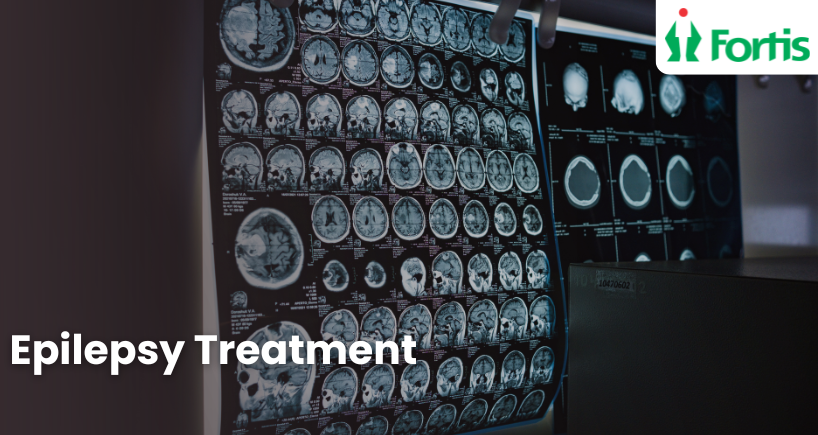


Epilepsy and Seizure Treatment in Mumbai
Epilepsy and Seizure Treatment in Mumbai
Epilepsy and seizures can affect your life in unimaginable ways from physical problems to emotional and social issues. While a cure is not available yet for this chronic brain disorder that affects more than 50 million people worldwide, there are many effective treatment options to manage or control seizures. Fortis Hospital, Mulund, is best hospital in mumbai offers a range of treatment options, including advanced surgical and device therapies, such as deep brain stimulation (DBS) for patients who cannot have surgery or whose epilepsy does not respond well to anti-seizure medications. Our specialists have extensive experience diagnosing and treating all types of epilepsy and seizure disorders in children and adults.
The Epilepsy Program at Fortis Hospital, Mulund, delivers world-class, comprehensive, multidisciplinary care, integrating state-of-the-art diagnostic tools, medications, surgery, neuromodulation, and lifestyle changes, all tailored to each patient’s unique needs and preferences. Our strong research program combined with compassionate and exceptional clinical care makes us a preferred centre for epilepsy treatment in the country.
This article will help you better understand epilepsy, the treatment options available at Fortis Hospital, Mulund, and how deep brain stimulation can treat complex epilepsy cases.
What is Epilepsy?
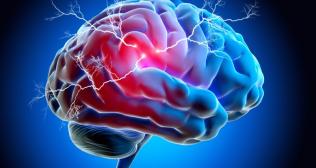
Epilepsy is a chronic neurological condition characterised by repeated, unprovoked seizures (usually lasting 1-3 minutes), resulting from abnormal electrical activity in the brain. Based on where the seizures begin, epilepsy is classified into two main types – focal seizures and generalised seizures.
Symptoms, causes and risk factors
Seizures can cause different symptoms, such as confusion, uncontrolled shaking, temporary loss of consciousness, brief staring spells, unusual sensations, etc.
Also called seizure disorder, epilepsy has no specific cause in about half of all cases. Genetics (family history) is known to play a major role in the development of epilepsy. Although anyone can develop epilepsy, some conditions and factors that damage the brain can put you at a higher risk.
Risk factors for epilepsy and seizures include:
- Brain infections
- Brain tumours
- Head trauma
- Stroke
- Alzheimer’s disease
- Alcohol or drug use
- Stress
When to see a doctor?
You should consult a doctor without any delay if:
- You have a seizure for the first time
- You have recurrent seizures
- The seizure lasts longer than 5 minutes
- You have trouble breathing or waking up after the seizure
- You or the person having seizure is pregnant or diabetic
What Treatment Options Does Fortis Hospital, Mulund, Provide for People Diagnosed with Epilepsy?
At Fortis Hospital, Mulund, patients have access to a full spectrum of treatment options. Our epilepsy care team will create a treatment plan customised to your condition, using the latest options. Our goal is to help you prevent or control seizures with minimal or without side effects, so you can go back to your normal, productive life.
Treatment options we offer include:
- Medication
- Dietary changes
- Surgery, including minimally invasive and robot-assisted techniques
- Neurostimulation – such as deep brain stimulation, vagus nerve stimulation
Most people can manage their symptoms with medicines. Doctors may recommend surgery when medicines become ineffective for your seizures. However, not everyone with severe seizures can have resective surgery, and that’s when neuromodulation, also known as neurostimulation, can be an option.
Neuromodulation is an advanced therapy that involves implanting devices in your body to reduce seizures by sending mild electrical signals to your brain. Deep brain stimulation is one such advanced approach that has proven to be an effective treatment for patients who are not candidates for surgery or resistant toanti-epileptic medicines.
Fortis Hospital, Mulund, brings renowned experts from multiple disciplines, including epileptologists and neurosurgeons, who set new standards for clinical care. Our skilled surgeons perform high volumes of deep brain stimulation with exceptional outcomes. This makes us a leading site for DBS implantation in the region.
What is Deep Brain Stimulation and How Does it Treat Epilepsy?
Deep brain stimulation is an advanced neurosurgical procedure used to treat drug-resistant epilepsy. During this procedure, the neurosurgeon implants a tiny wire (electrode) into the area of the brain involved in seizures. The wire is attached to a small device implanted under the chest. The device sends controlled electrical impulses to the brain through the wire. These electrical impulses regulate abnormal brain activity to help control seizures, while sparing the critical brain regions.
DBS can lead to a significant reduction in seizures, even after years of the procedure, making it a good choice for patients whose condition cannot be treated effectively with conventional treatments. It is both adjustable and reversible, and can be performed either while you’re awake or asleep, depending on your condition and diagnosis.
Fortis Hospital, Mulund, is one of the few facilities in the country performing this advanced surgical technique and offers expertise in both awake (traditional method) and asleep (MRI-guided method) deep brain stimulation procedures. Before the procedure, our epilepsy experts will perform a comprehensive assessment to ensure maximum safety and effectiveness.
What are the Benefits and Risks of Deep Brain Stimulation for Epilepsy?
Deep brain stimulation can be a treatment option when medications aren’t helpful. It offers several benefits, including:
- Reduced seizure frequency
- Improved overall quality of life
- Reduced emergency visits and injuries caused by seizures
- Reversible and adjustable treatment
The procedure, although, is generally considered safe, carries some risks as with other brain surgeries. Risks and complications may include:
- Infection or bleeding in the brain
- Stroke
- Coma
- Trouble breathing
- Seizure
- Device malfunction or wire displacement
- Temporary side effects, such as pain and swelling at the site of implantation, mood changes, tingling, trouble with speech or balance, vision changes, etc
Why Choose Fortis Hospital, Mulund, for Epilepsy and Deep Brain Stimulation Treatment?
At Fortis Hospital, Mulund, you’ll have access to a wide range of services, including:
- Highly experienced epileptologists, neurosurgeons with specialised training in epilepsy surgery, and other medical professionals with years of experience caring for people with seizure disorders
- State-of-the-art facilities with intra-operative neuro-navigation system
- Cutting-edge technology for early, accurate diagnosis
- Advanced treatment options
- Other new treatments as they become available
- Comprehensive, team approach to care
- Personalised epilepsy treatment plans
- 24/7 neurocritical care units
Conclusion
No matter what type of seizure disorder you have, the epilepsy specialists at Fortis Hospital, Mulund, can help you manage or control symptoms. Our experts deliver the full spectrum of care, utilising the most innovative options, tailored to your unique needs. Advanced treatments, such as deep brain stimulation, are significantly improving outcomes for patients with hard-to-treat epilepsy.
_______________________________________________________________________________________________________
Fortis Hospital Mulund, Mumbai
Address: Mulund Goregaon Link Road, Mulund-West, Mumbai, 400078
Ph. 02268846143
Categories
Clear allMeet the doctor

- Neurosurgery | Neurosurgery
-
 17 Years
-
 2500
2500
 Available at 1 different locations

Related Blogs
View all

Head Injury: Better Be Safe Than Sorry
Traumatic Brain Injury: Symptoms, Causes and Management

FAQs
What is epilepsy?
Epilepsy is a neurological disorder that causes recurring seizures due to abnormal electrical activity in the brain.
What are the common symptoms of epilepsy?
Common symptoms include seizures, loss of consciousness, confusion, staring spells, and uncontrolled body movements.
Can epilepsy be treated successfully?
Yes, epilepsy can often be effectively managed with medications, lifestyle changes, and advanced surgical treatments when needed.
Can adults develop epilepsy later in life?
Yes, epilepsy can develop at any age due to factors like brain injury, stroke, tumors, infections, or unknown causes.
What lifestyle changes help manage epilepsy?
Taking medicines regularly, getting proper sleep, avoiding alcohol, and managing stress can help reduce seizure triggers.

Keep track of your appointments, get updates & more!

