• What is High Blood Pressure?

    Blood pressure simply measures the natural physical force required to push oxygenated blood through the human body. Every clinical measurement captures two distinct biological phases of the normal cardiac cycle. The top systolic reading records the maximum pressure generated when the heart actively contracts to push blood forward. The bottom diastolic reading measures the remaining pressure while the heart rests completely between individual beats. 

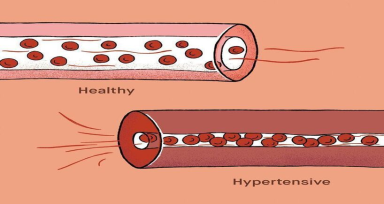
    Hypertension develops when this baseline vascular pressure stays dangerously high for a long time. The blood vessels naturally lose their healthy elasticity and become stiff over decades of continuous mechanical stress. This dangerous stiffness forces the struggling heart muscle to pump with significantly more effort just to maintain basic blood flow. The World Health Organization estimates that roughly 1.28 billion adults worldwide live with this silent but highly destructive cardiovascular condition. 

    Patients almost never feel this accumulating biological damage. The elevated pressure quietly injures delicate tissue inside the heart, brain, and kidneys long before any obvious warning signs alert the individual. Because the disease hides itself so well, routine medical screening remains the only reliable way to detect the problem early. Relying on physical discomfort to signal a problem guarantees that severe vascular damage has already occurred. Physicians strongly recommend annual evaluations for all adults to catch abnormal cardiovascular trends quickly. Finding the disease early allows patients to protect their health. 

  • What is the Medical Condition of High Blood Pressure?

    High blood pressure is a widespread circulatory disease that continuously damages the cardiovascular system from the inside out. Healthy arteries normally expand and contract smoothly to accommodate changing blood flow. When an individual develops this condition, their arteries gradually lose this essential flexibility and become physically rigid. This structural hardening forces the circulating blood to push outward with intense mechanical force. 

    The constant pressure slowly creates tiny tears along the delicate inner lining of the blood vessels. Cholesterol and other fatty substances easily stick to these microscopic wounds, forming dangerous blockages over time. The heart must then pump against extreme resistance to push blood past these narrowed pathways. If left untreated, this relentless cycle of damage eventually destroys vital organs and severely shortens the patient's natural lifespan. Early clinical intervention remains absolutely critical to halt this destructive process completely. 

  • Types and Classifications

    Medical professionals categorise this disease into three distinct clinical forms. 

    • Primary Hypertension develops slowly over many years through complex biological changes and natural aging. 

    • Secondary Hypertension appears suddenly and violently as a direct physiological result of another underlying medical illness. 

    White coat hypertension occurs exclusively within clinical settings when acute psychological anxiety artificially raises the patient's resting pressure. Each distinct type requires a highly specific medical evaluation to ensure appropriate treatment and prevent long-term complications. 

  • Recognizing the Symptoms of High Blood Pressure

    High blood pressure has earned the clinical title of a silent killer because it operates entirely without physical warnings for many years. Diagnosed individuals usually experience absolutely zero physical discomfort during the early stages of the disease. This prolonged lack of symptoms makes the circulatory condition exceptionally dangerous for unsuspecting patients. They often assume they are completely healthy while their blood vessels sustain massive internal damage. Relying on physical pain or noticeable health changes to signal a problem remains a deeply flawed approach to cardiovascular care. 

    The severe absence of early indicators means that routine clinical measurement serves as the only dependable diagnostic tool available to doctors. A person can carry dangerously elevated pressure for a decade before finally noticing that something feels wrong. When physical complaints finally do emerge, they usually indicate that the cardiovascular system has reached a breaking point. These late-stage signs reflect advanced structural damage rather than the initial onset of the disease. 

    Many individuals completely ignore their rising pressure because they incorrectly believe that severe internal disease must always cause noticeable pain. This dangerous misconception frequently leads to delayed medical intervention and irreversible organ failure. Patients must understand that feeling well does not equal having healthy arteries. The mechanical force destroys fragile tissue quietly. 

    By the time the body generates a physical alarm, the kidneys, brain, and heart have already suffered significant structural compromise. Medical professionals must constantly educate their patients about this silent threat. Regular sphygmomanometer checks at a local clinic provide the necessary data to catch the disease before it ruins the patient's cardiovascular health permanently. 

  • Common Symptoms

    Specific clinical high BP symptoms may eventually manifest when the circulatory system can no longer tolerate the intense physical strain. Severe throbbing frequently occurs when abnormal haemodynamic force stretches the fragile cerebral blood vessels beyond their normal capacity. This persistent mechanical stretching produces a dull, relentless headache that refuses to go away. 

    Spontaneous nosebleeds develop rapidly when delicate capillary networks within the nasal passages rupture under massive systemic arterial pressure. The unyielding vascular force simply overwhelms these tiny, microscopic structures without warning. Patients also frequently report unexplained visual disturbances or noticeable blind spots. Sustained hypertension permanently damages the delicate microcirculation inside the eyes, completely disrupting normal optical transmission to the brain. 

    Unexplained breathlessness provides another severe warning sign of profound cardiovascular exhaustion. The struggling heart muscle completely fails to push oxygenated blood efficiently against the immense and unyielding systemic vascular resistance. Some patients may also experience sudden dizzy spells or intense facial flushing. These alarming physical changes confirm that the disease has advanced significantly and requires immediate medical attention. 

  • When to Seek Emergency Care

    A hypertensive crisis represents a catastrophic, immediate threat to patient survival. Individuals recording a circulatory pressure reading above 180/120 mm Hg must seek emergency hospital admission without any further dangerous delay. Waiting for a scheduled clinic consultation allows irreversible organ necrosis to progress rapidly. 

    Certain critical signs and symptoms of hypertension demand rapid intravenous medication. Crushing chest pain indicates acute oxygen starvation deep within the cardiac muscle, warning of an impending coronary infarction. The struggling heart physically starves while fighting the massive vascular resistance. 

    Profound neurological deficits signal an active cerebrovascular accident in progress. Sudden unilateral facial drooping, severe confusion, or the inability to speak confirms immediate brain tissue compromise that requires urgent scanning. The extreme circulatory force either violently ruptures cerebral arteries or drives dangerous fluid directly into the closed cranial cavity. Patients experiencing tearing back pain require urgent aortic imaging to rule out a lethal arterial dissection. Emergency physicians must lower the haemodynamic pressure rapidly to prevent death. 

  • Causes and Risk Factors of High Blood Pressure

    Developing this chronic cardiovascular condition involves a deeply complex biological deterioration of the entire human circulatory network. Multiple physiological systems slowly begin to fail as the body ages, creating a dangerous compounding effect on overall blood pressure. 

    The human body relies on a delicate balance of hormones, vascular flexibility, and kidney function to maintain a safe circulatory force. When any of these systems malfunction, the baseline pressure naturally begins to climb. For example, the natural aging process inevitably degrades the vital elastin proteins that keep peripheral blood vessels flexible. As the major arteries become significantly stiffer, they strongly resist the normal pulsatile flow of blood pumped from the heart. This resistance forces the cardiac muscle to generate a much higher resting pressure just to push oxygen throughout the body. 

    Genetics also play a remarkably strong role in determining disease susceptibility. A clear family history of hypertension indicates profound inherited vulnerabilities regarding how the body manages salt, processes fluids, and controls vascular tension. These genetic factors often accelerate the inevitable vascular decline across the patient's chronological aging spectrum. 

    Furthermore, modern lifestyle choices interact heavily with these biological vulnerabilities. Diets loaded with processed foods and a severe lack of daily movement force the body into a state of chronic metabolic stress. The kidneys struggle to filter excessive dietary minerals, while the heart works overtime to supply an expanding network of fat tissue. This relentless combination of aging, genetic predisposition, and environmental stress creates the perfect biological environment for severe vascular resistance to take root and flourish. 

  • Primary Causes

    Progressive endothelial dysfunction stands as the primary physiological driver behind essential hypertension. The damaged inner arterial lining completely loses its biological ability to release protective relaxing chemicals. This chemical deficiency forces the systemic blood vessels to remain dangerously constricted at all times. 

    • Renal microvascular decline independently accelerates the rising systemic blood pressure. 

    • The physically compromised kidneys gradually fail to excrete sufficient physiological sodium loads during routine daily blood filtration. 

    • This dangerous mineral retention forces the body to hold excess intravascular water constantly. 

    • The artificially expanded circulatory blood volume exerts massive outward mechanical force against the increasingly rigid peripheral arterial walls. 

    Together, these primary biological failures create a relentless cycle of rising pressure that the body cannot correct without external medical intervention. 

  • Common Risk Factors

    Clinical research identifies multiple overlapping elements that dramatically increase cardiovascular disease susceptibility. Excessive adipose tissue physically demands a vastly expanded capillary network to survive. This vast new peripheral circulatory web forces the struggling heart to maintain a significantly higher baseline resting pressure. 

    High dietary sodium consumption directly triggers immediate physiological systemic fluid retention, placing immense physical strain on the arteries. Routine tobacco inhalation introduces highly toxic chemical compounds directly into the circulating bloodstream. These vicious circulating toxins instantly inflame the vascular endothelium and rapidly accelerate dangerous atherosclerotic plaque deposition. 

    A highly sedentary lifestyle further destroys cardiovascular fitness over time. Without regular aerobic conditioning, the heart muscle remains weak and must beat much faster to supply the body with oxygen. Excessive alcohol consumption also disrupts normal neurological pressure regulation, causing chronic vascular constriction. 

  • Anatomical Factors and Underlying Conditions

    Specific structural abnormalities and chronic diseases directly precipitate secondary hypertension. Severe congenital aortic narrowing physically obstructs normal systemic blood flow, forcing the left ventricle to generate extreme mechanical pumping force. 

    Rogue endocrine tumours completely override normal renal sodium regulation and rapidly destroy systemic physiological fluid homeostasis. Furthermore, severe obstructive sleep apnoea repeatedly starves the sleeping brain of necessary oxygen, which triggers massive spikes in stress hormones that violently constrict the blood vessels every single night.

  • Prevention for High Blood Pressure

    Proactive lifestyle interventions dramatically reduce the statistical probability of developing serious vascular disease. Individuals must take complete ownership of their daily habits long before their cardiovascular system sustains permanent damage. A dedicated focus on clean nutrition, consistent physical movement, and routine medical screening provides the strongest possible defence against rising arterial pressure. 

    Preventing this condition requires a lifelong commitment to cardiovascular health rather than temporary, short-term health kicks. People must understand that the choices they make today directly dictate the mechanical health of their blood vessels ten years from now. Eating natural, unprocessed foods helps the kidneys manage fluid perfectly, while staying active keeps the major arteries flexible and responsive. 

    Furthermore, routine medical evaluations remain essential for effective prevention. Patients should never assume their internal pressure is normal simply because they feel energetic. Scheduling an annual clinical check-up allows doctors to catch subtle upward trends in resting pressure before they transition into full-blown hypertension. Small, early adjustments to diet and exercise often reverse these dangerous trends completely. Taking these preventative measures seriously ensures that the heart and blood vessels continue to function smoothly without requiring aggressive pharmacological intervention later in life. 

  • Reducing the Risk

    Individuals must rigorously restrict their daily dietary sodium intake to prevent dangerous physiological fluid volume expansion. Limiting salt consumption directly prevents pathological fluid retention. The systemic circulating blood volume drops, instantly relieving severe mechanical stress on the major peripheral arterial walls. 

    Consistent aerobic exercise functions as a highly powerful natural systemic vasodilator. Engaging in precisely 150 minutes of moderate cardiovascular activity weekly strengthens the vital myocardial tissue significantly. A robust heart pumps larger blood volumes with significantly less contractile effort. Complete tobacco cessation remains absolutely non-negotiable for preserving cardiovascular health. Inhaled nicotine triggers immediate systemic vasoconstriction while simultaneously destroying the highly protective endothelial layer lining the blood vessels. 

  • Managing the Disease and Improvements Required

    Diagnosed patients must embrace strict, lifelong clinical cardiovascular disease management protocols. Daily home blood pressure monitoring provides extremely essential longitudinal haemodynamic data for treating physicians. Patients must meticulously record these physiological metrics using validated electronic equipment at the same time every day. 

    Therapeutic pharmacological adherence dictates the ultimate long-term clinical survival prognosis. Affected individuals must consume their prescribed antihypertensive medications precisely as directed by their supervising medical specialist. Sudden pharmacological withdrawal frequently triggers a highly lethal rebound effect, rapidly worsening the dangerous underlying high blood pressure symptoms. Patients must also attend comprehensive biannual cardiovascular reviews to detect asymptomatic organ decline early. 

Quick Enquiry Form

FAQs

  • What precise physiological mechanism occurs when an individual develops primary high blood pressure over time?

    The peripheral arteries gradually lose their natural elasticity and become structurally rigid. This profound vascular resistance forces the struggling heart to pump with dangerously excessive mechanical force.
  • How do medical professionals formally diagnose this cardiovascular condition before overt physical symptoms finally emerge?

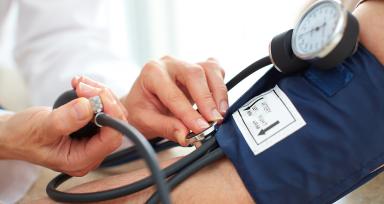
    Clinicians utilise a calibrated sphygmomanometer to measure systemic circulatory force. A definitive diagnosis requires multiple elevated readings across separate appointments to eliminate transient anxiety-induced pressure spikes completely.
  • Which specific lifestyle modifications provide the most significant clinical benefit for managing elevated systemic pressure?

    Patients must drastically reduce dietary sodium consumption and commit to consistent aerobic exercise. These deliberate interventions decrease intravascular fluid volume and naturally improve systemic peripheral arterial flexibility.
  • What dangerous long-term clinical complications inevitably develop if a patient ignores their prescribed antihypertensive therapy?

    Uncontrolled arterial pressure systematically destroys delicate vascular tissue. This sustained mechanical damage ultimately precipitates catastrophic cardiovascular events, including acute myocardial infarction, severe haemorrhagic stroke, and irreversible renal failure.
  • What specific physiological outcomes should a diagnosed patient expect when commencing standard daily pharmacological treatment?

    Prescribed medications chemically induce arterial relaxation or force the kidneys to excrete excess fluid. These targeted biological interventions successfully normalise circulatory pressure and significantly extend the patient lifespan.
barqut

Keep track of your appointments, get updates & more!

app-store google-play
Request callback International Request callback Get an Estimate