
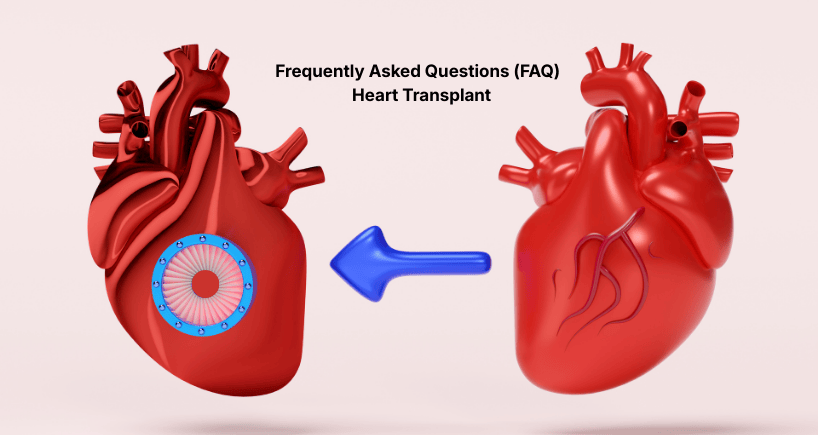


Frequently Asked Questions (FAQ) – Heart Transplant
1. What is a heart transplant?
A heart transplant is a surgical procedure in which a failing or damaged heart is replaced with a healthy donor heart. It is usually recommended for patients with end-stage heart failure when other treatments are no longer effective.
2. Who needs a heart transplant?
Patients with severe heart failure, cardiomyopathy, congenital heart disease, or those who do not respond to medications, devices, or other interventions may be considered for a transplant.
3. How is a patient evaluated for a heart transplant?
A detailed assessment is carried out, which includes heart function tests, blood tests, imaging, and overall health evaluation. Doctors also check if the patient is strong enough for surgery and long-term recovery.
4. How long does it take to receive a donor heart?
The waiting time varies depending on medical urgency, blood group, size match, and donor availability. Patients remain under close monitoring while waiting.
5. What happens during the surgery?
The damaged heart is removed, and the donor heart is carefully connected to major blood vessels. The surgery is performed under general anesthesia by a specialised cardiac transplant team.
6. What is recovery like after the transplant?
Patients stay in the ICU for a few days, followed by a monitored hospital stay. Regular follow-ups, medications, and lifestyle adjustments are essential for long-term success.
7. What are the risks of a heart transplant?
Possible risks include infection, rejection of the new heart, and side effects from medications. With expert care and regular monitoring, most risks can be managed effectively.
8. How successful are heart transplants?
With modern surgical techniques and advanced post-operative care, success rates have significantly improved. Many patients return to normal daily activities and enjoy a better quality of life.
9. Will I need lifelong medication after the transplant?
Yes. Patients must take immunosuppressive medications to prevent rejection of the new heart. Regular check-ups ensure the correct dosage and monitor overall health.
10. Can children get heart transplants?
Yes. Children with severe congenital or acquired heart conditions may receive transplants. Specialized paediatric cardiac teams manage such cases.
11. How should patients prepare for life after a transplant?
Maintaining a healthy lifestyle, following medical advice, attending regular check-ups, and taking medications on time are key to long-term success.
Categories
Clear allMeet the doctor

- Cardiac Sciences | Heart Transplant | Adult CTVS (Cardiothoracic and Vascular Surgery)
- Organ Transplant | Heart Transplant
-
 18 Years
-
 2000
2000
Related Blogs
View all







Keep track of your appointments, get updates & more!

