
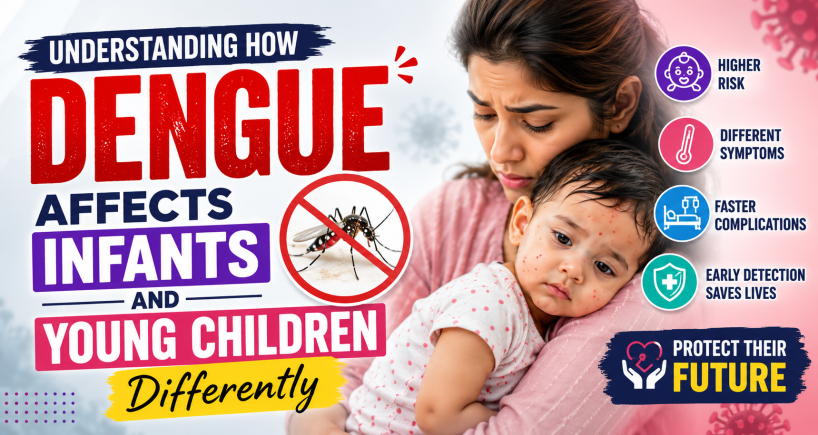


Understanding How Dengue Affects Infants and Young Children Differently
Every year on May 16, National Dengue Day serves as an important reminder of the ongoing threat posed by dengue fever and the critical need for vigilance, especially when it comes to our youngest family members. While dengue can affect anyone regardless of age, infants and young children experience this illness in ways that are distinctly different from older children and adults. Understanding these differences can make all the difference in ensuring timely care and preventing serious complications.
The Unique Vulnerability of Young Children
Dengue fever presents a particular challenge in infants and toddlers because their bodies respond to the virus in ways that can be difficult to interpret. Where an adult might clearly articulate a severe headache, debilitating muscle pain, or the distinctive pain behind the eyes that accompanies dengue, a young child lacks the vocabulary to describe what they are experiencing. Instead, parents and caregivers must become detectives, reading subtle signs and behavioral changes that might indicate their little one has been bitten by an infected mosquito.
Children under the age of five represent a population that healthcare providers watch particularly carefully during dengue season. Their immune systems are still developing, and their bodies have smaller reserves of fluids and energy to draw upon when fighting a significant infection. This physiological reality means that what might be a manageable illness in an older child or adult can progress more quickly to a concerning state in an infant. The responsibility therefore falls heavily on parents to recognize when their child's illness warrants closer attention.
Recognizing Symptoms That Aren't Always Obvious
The way dengue manifests in infants and young children often defies expectations shaped by how the illness appears in adults. While adults frequently report the classic triad of high fever, severe headache, and pain behind the eyes, young children may show none of these recognizable signs. Instead, parents might notice that their usually energetic toddler has become surprisingly quiet and withdrawn. A baby who normally reaches for parents and explores the floor might suddenly seem uninterested in play, unusually sleepy, or difficult to rouse from slumber.
Irritability replaces articulate complaint in infants and toddlers. A child who cannot say "my head hurts" or "my bones ache" may instead cry persistently, resist being held, or appear generally uncomfortable without a clear explanation. Changes in feeding patterns often serve as an important clue—a breastfed baby might latch poorly or nurse for shorter periods, while a toddler might refuse foods they normally enjoy. These nonspecific symptoms can easily be mistaken for a ordinary cold or another common viral infection, which is why maintaining a high index of suspicion during dengue season becomes essential.
Fever frequently stands alone as the most noticeable symptom during the early stages of dengue in young children. Parents might notice their child feels warm to the touch, though the fever itself doesn't automatically signal dengue. The importance lies in watching how the fever behaves and what other symptoms accompany it, particularly as the days progress.
The Critical Importance of Hydration Monitoring
One of the most significant concerns when dengue affects infants and young children involves the risk of dehydration. This threat emerges from a perfect storm of factors: fever increases fluid loss through sweating and rapid breathing, vomiting removes fluids directly from the stomach, poor feeding means less fluid intake, and the vascular changes associated with dengue can cause plasma to leak from blood vessels into surrounding tissues. Because infants have smaller bodies and therefore smaller fluid reserves, this combination can lead to dangerous dehydration more quickly than in older individuals.
Parents should watch for several key indicators that suggest their child may be becoming dehydrated. Dry or cracked lips, reduced wet diapers or fewer trips to the bathroom, sunken eyes, and the absence of tears when crying all signal that the child's fluid needs are not being met. Perhaps most concerning is unusual lethargy or drowsiness that goes beyond normal tiredness. A child who seems difficult to wake, who cannot stay awake, or who appears limp and unresponsive requires immediate medical evaluation.
The challenge with dengue-related dehydration is that it can progress rapidly, sometimes within hours. What begins as mild dehydration can become severe if fluid loss continues and adequate replacement isn't provided. This is why healthcare providers emphasize the importance of not waiting until dehydration becomes severe before seeking medical help.
Warning Signs That Demand Immediate Medical Attention
While watching for general dehydration symptoms is important, parents must also remain alert to the specific warning signs that indicate dengue might be progressing toward its more severe forms. Some of these warning signs develop with alarming speed in younger children, making prompt recognition critical.
Persistent vomiting, especially when it occurs more than two or three times in a short period, represents a significant warning sign. When a child cannot retain any fluids due to vomiting, the risk of dehydration escalates rapidly, and medical intervention becomes necessary to replace fluids intravenously if needed.
Abdominal swelling or pain, particularly if accompanied by the child drawing up their legs, crying when their belly is touched, or showing other signs of discomfort, warrants immediate medical attention. In dengue, severe abdominal pain can indicate liver enlargement or the beginning of plasma leakage into the abdominal cavity.
Changes in circulation provide crucial warning signs. Cold, clammy hands and feet, pale or mottled skin, or lips that turn blue all suggest that blood is not circulating properly through the body. Similarly, breathing difficulty—whether rapid breathing, working hard to breathe, or breathing that appears shallow—indicates that the child's body is under significant strain.
Bleeding, whether from the gums, nose, or in the form of blood in vomit or stool, always requires urgent medical evaluation. While minor nosebleeds can occur with forceful crying, spontaneous bleeding or bleeding that doesn't stop quickly should be taken seriously.
Behavioral changes serve as perhaps the most important warning signs because parents know their child's normal patterns best. Excessive drowsiness that makes it impossible to wake the child normally, or conversely, sudden restlessness, agitation, or confusion—these changes in mental status demand immediate medical attention.
Finally, parents should be aware that high fever or severe illness can trigger febrile seizures in susceptible young children. While these seizures are often frightening to witness, they typically stop on their own within a few minutes. However, any seizure warrants prompt medical evaluation to determine its cause and ensure appropriate management going forward.
Why Diagnosing Dengue in Young Children Poses Challenges
Healthcare providers face particular difficulties when diagnosing dengue in infants and young children. The symptoms that characterize early dengue fever—fever, lethargy, poor appetite, vomiting—closely resemble those of many other common childhood illnesses. Enterovirus infections, other mosquito-borne diseases, and even routine viral upper respiratory infections can present identically in the early stages.
Adding to the diagnostic challenge, young children cannot describe their symptoms or tell a doctor where they hurt. The healthcare provider must rely almost entirely on parental observation and physical examination findings, which provides less information than a conversation with an older patient would yield. This reliance makes detailed parental observation critically important.
Laboratory testing helps confirm dengue infection, but the interpretation of results in young children requires expertise. Tests that detect the virus directly work best during the first few days of fever, while antibody tests become more useful later in the illness. Furthermore, the pattern of blood cell changes that accompanies dengue—particularly the decline in platelet count that many people know about—doesn't always follow the same predictable pattern in young children that it does in older patients.
The diagnosis of dengue therefore often involves considering the whole picture: the child's symptoms, physical examination findings, blood test results, and the level of dengue activity in the community. Parents can help by providing detailed information about when symptoms began, how they have progressed, and whether there have been any exposures they know of to mosquitoes.
Understanding How Doctors Assess Severity
Many parents become concerned when they learn their child has a low platelet count during dengue illness. While platelet counts do tend to fall during dengue infection, it's important to understand that treatment decisions are not based on platelet numbers alone. A single platelet count, even if quite low, doesn't automatically indicate severe disease or the need for aggressive intervention.
Doctors evaluate several key factors when determining how closely to monitor a child with dengue and what level of care they need. Hydration status ranks among the most important considerations—is the child drinking adequately, producing enough urine, and showing signs of proper fluid balance? Blood pressure and pulse provide information about circulation and whether the cardiovascular system is compensating properly for any fluid shifts occurring inside the body.
Evidence of plasma leakage, which can show up as fluid accumulation in body cavities or thickening of the gallbladder wall on ultrasound, helps doctors predict whether the illness might be progressing toward more severe forms. Bleeding signs, whether obvious blood loss or subtle indications of hemorrhage, factor into the assessment as well.
What this means for parents is that even if their child's platelet count drops significantly, the medical team might decide that close outpatient monitoring is appropriate if all other signs look reassuring. Conversely, a child with only mildly low platelets but showing signs of dehydration, persistent vomiting, or circulatory changes might need hospitalization for careful monitoring and supportive care.
Treatment Approaches That Focus on Supportive Care
There is currently no specific antiviral medication that targets the dengue virus itself. Treatment therefore centers on supporting the child's body while it fights off the infection and preventing complications from developing. This supportive approach has proven effective when implemented properly and represents the standard of care worldwide.
Adequate fluid intake forms the cornerstone of dengue management. For breastfed infants, this means continuing to offer the breast frequently, as breast milk provides both hydration and immune factors that help the baby fight infection. Older infants and toddlers require frequent small offerings of water, oral rehydration solutions, clear soups, or other appropriate fluids. The goal is to replace fluids lost through fever and vomiting while maintaining the body's hydration balance.
Fever control with paracetamol (acetaminophen) helps keep the child comfortable and reduces fluid losses that accompany high fever. Parents should use fever medications as directed and avoid aspirin and ibuprofen, which can interfere with blood clotting and increase bleeding risk—a particular concern when dengue affects the platelets.
Rest allows the child's body to direct its energy toward fighting the infection. Parents should create a comfortable, quiet environment where the child can sleep as needed without disruption. However, the child doesn't need to stay in bed constantly; light activity as tolerated is fine as long as the child isn't overexerting themselves.
Close monitoring during the critical phase of illness—when plasma leakage and potential complications are most likely to develop—usually spans several days of fever and continues for a short period after the fever subsides. This is why healthcare providers often recommend that children with dengue be under medical observation during this window, either through regular check-ups, brief hospitalization, or careful home monitoring with clear instructions about warning signs.
Prevention Remains the Best Protection
When it comes to dengue, prevention holds tremendous value, particularly for infants and young children who are more susceptible to complications if they do become infected. The mosquito that transmits dengue, Aedes aegypti, bites during the day and breeds in small collections of clean water around homes and communities.
Creating a protective environment for infants requires special attention. Mosquito nets provide an effective barrier, especially during naps and nighttime sleep. For infants old enough to sleep in a crib, a net draped over the crib creates a protected space. Clothing that covers the arms and legs, particularly during dawn and dusk when mosquitoes are most active, adds another layer of protection.
Eliminating standing water around the home removes breeding sites before they can produce new mosquitoes. This includes emptying containers that collect rainwater, ensuring proper drainage, changing water in flower vases and animal bowls regularly, and storing containers that can hold water in covered locations. Community-wide efforts to reduce mosquito breeding sites have proven effective in lowering dengue transmission rates.
For families living in areas with active dengue transmission, taking these preventive measures seriously isn't just advisable—it's essential. A single mosquito bite can transmit the virus, and preventing that bite protects the child from an illness that, while often manageable, can occasionally become serious.
The Path to Recovery
The majority of children who contract dengue fever, including infants and young children, recover fully with appropriate care. The body's immune system successfully clears the virus within about a week or two, and affected organs typically return to normal function. Many children emerge from dengue illness with no lasting effects whatsoever.
Recovery, however, requires patience. Children may feel tired and less interested in activities for some time after the fever resolves. Appetite may take a while to return fully. Parents should expect a gradual recovery rather than an immediate return to their child's normal energy levels. Gentle reintroduction of normal activities, plenty of rest, and good nutrition support the recovery process.
Follow-up care matters as well. Healthcare providers often recommend return visits after the acute illness to ensure that blood counts have recovered, that no complications have developed, and that the child is progressing as expected. These appointments provide opportunities for parents to ask questions and address any concerns about their child's recovery.
Knowledge Empowers Parents
National Dengue Day exists not only to raise awareness about the disease but also to equip families with the knowledge they need to protect their youngest members. Understanding how dengue affects infants and young children differently from adults—the subtle symptoms, the rapid progression of warning signs, the critical importance of hydration, and the challenges of diagnosis—allows parents to respond quickly and appropriately when illness strikes.
No parent wants to imagine their child suffering from a serious illness, but preparedness transforms that concern into actionable vigilance. Knowing what to watch for, when to seek help, and how to support a child's recovery creates a foundation of protection that serves children well. With attentive care, appropriate medical support, and the preventive measures that reduce mosquito bites, families can face dengue season with confidence and peace of mind.
Categories
Clear allMeet the doctor

- Paediatrics | Paediatrics | Neonatology
-
 32 Years
-
 2400
2400
Related Blogs
View all







FAQs

Keep track of your appointments, get updates & more!

