


15 Hidden Medical Reasons for Low Hemoglobin Beyond Iron Deficiency
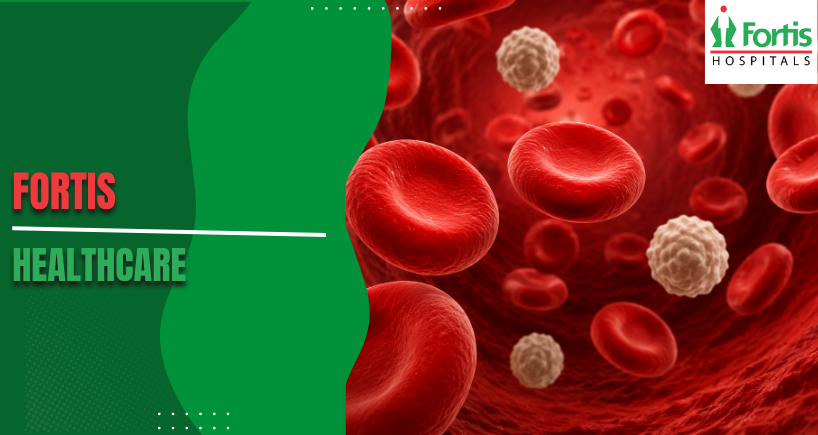
When you hear "low hemoglobin," it is almost automatic to think of iron deficiency. It is the most common cause, after all. But for many people, taking iron supplements month after month yields no results, leaving them feeling just as tired and frustrated as before. This is because hemoglobin, the protein in your red blood cells that carries oxygen, can drop for a multitude of reasons that have nothing to do with iron.
Uncovering these hidden causes is vital. It is not just about fixing a number on a lab report; it is about finding the true underlying issue affecting your health.
1. Vitamin B12 Deficiency
Your body needs more than just iron to build red blood cells; it desperately needs Vitamin B12. A deficiency here leads to larger-than-normal red blood cells that do not function properly. This is often seen in people with strict vegetarian diets or absorption issues.
2. Folate (Vitamin B9) Deficiency
Similar to B12, folate is a key ingredient in the recipe for healthy blood. A lack of folate, often due to a diet low in leafy greens or overcooking vegetables, can cause a significant drop in hemoglobin.
3. Chronic Kidney Disease (CKD)
The kidneys do more than filter waste; they produce a hormone called erythropoietin (EPO), which signals bone marrow to make red blood cells. When kidneys are damaged, they make less EPO, leading to a specific type of anemia that iron cannot fix.
4. Hypothyroidism
An underactive thyroid slows down many body processes, including the production of red blood cells. If you have low hemoglobin along with weight gain, fatigue, and sensitivity to cold, your thyroid might be the culprit.
5. Thalassemia
This is an inherited blood disorder where the body makes an abnormal form of hemoglobin. It is a genetic trait, not a nutritional lack. People with thalassemia often have mild to severe anemia that requires specialized management.
6. Aplastic Anemia
In this rare but serious condition, the body's bone marrow simply stops producing enough new blood cells, red, white, and platelets. It is often caused by an immune system attack on the stem cells.
7. Chronic Inflammation
Long-term conditions like rheumatoid arthritis, lupus, or inflammatory bowel disease (IBD) can confuse the body's iron handling. The body has iron, but inflammation blocks it from being used to make red blood cells.
8. Hemolysis (Red Blood Cell Destruction)
Sometimes, the body makes enough red blood cells, but they are destroyed too quickly. This can happen due to autoimmune conditions, certain infections, or even mechanical heart valves.
9. Bone Marrow Disorders
Conditions like myelodysplastic syndromes (MDS) or leukemia affect the bone marrow's ability to produce healthy cells. In the elderly, MDS is a significant and often overlooked cause of persistent anemia.
10. Medication Side Effects
Certain drugs, including some antibiotics, anti-seizure medications, and chemotherapy drugs, can suppress red blood cell production or trigger their destruction.
11. Liver Disease
The liver stores iron and vitamins essential for blood production. Chronic liver disease, including cirrhosis, can disrupt this storage and lead to complex forms of anemia.
12. Lead Poisoning
Though less common in adults, exposure to lead from old paint, contaminated water, or certain occupations can interfere with hemoglobin production.
13. Multiple Myeloma
This is a cancer of the plasma cells in the bone marrow. It can crowd out healthy blood-forming cells, leading to a drop in red blood cell counts.
14. Hidden Gastrointestinal Bleeding
Slow, painless bleeding from an ulcer, polyp, or gastritis can drain your red blood cells faster than you can replace them. This is a critical one to rule out, especially in older adults.
15. Alcohol Use Disorder
Excessive alcohol intake can directly suppress bone marrow production and often leads to nutritional deficiencies (like folate) that compound the problem.
A Special Note for the Elderly
In older adults, the causes of low hemoglobin in elderly patients are often multifactorial. It is rarely just "old age." It is usually a combination of mild kidney decline, nutritional changes, and perhaps a touch of chronic inflammation. Investigating these causes of low red blood cells is crucial because anemia in the elderly is a major risk factor for falls and frailty.
Taking the Next Step
If your hemoglobin remains low despite iron therapy, it is time to look deeper. A hematologist can run advanced tests to pinpoint the exact reasons for low hemoglobin in your specific case.
For expert evaluation and comprehensive care, the Hematology Department offers state-of-the-art diagnostics and treatment. Their team is dedicated to solving complex blood disorders and helping you regain your vitality.
Don't settle for unexplained fatigue. Ask your doctor about these other potential causes. Finding the right answer is the first step to feeling like yourself again.
Categories
Clear allRelated Blogs
View all

FAQs

Keep track of your appointments, get updates & more!

