
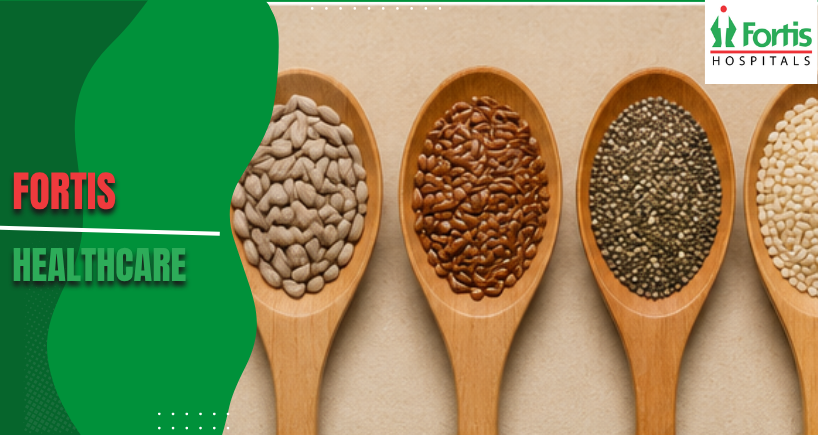


6 Powerful Seeds That May Support Stronger Fuller and Healthier Hair
Hair fall, thinning strands, slow growth, and dull texture — these are concerns that millions of people face, yet the solution may be simpler and more natural than you think. While the haircare market is flooded with expensive shampoos, serums, and treatments, one of the most effective approaches starts from within: what you eat.
Seeds, in particular, are extraordinary sources of the nutrients your hair follicles need most — zinc, omega-3 fatty acids, biotin, vitamin E, selenium, and plant-based protein. Let us explore six powerful seeds that nutritionists and trichologists consistently recommend for better hair health.
Why Nutrition Is the Foundation of Hair Health
Hair is made primarily of keratin — a protein. Each strand grows from a follicle embedded in your scalp, which requires a constant supply of nutrients, blood flow, and hormonal balance to function well. When your diet lacks key nutrients, the body prioritizes vital organs over hair growth, which is why nutritional deficiencies are one of the leading causes of hair loss.
Seeds are calorie-efficient nutrition bombs. A small handful can deliver meaningful amounts of protein, healthy fats, vitamins, and minerals that directly support scalp health and the hair growth cycle.
6 Seeds That Support Hair Growth and Strength
1. Flaxseeds (Alsi)
Flaxseeds are one of the richest plant-based sources of omega-3 fatty acids, particularly alpha-linolenic acid (ALA). Omega-3s nourish hair follicles, reduce scalp inflammation (a common but underdiagnosed cause of hair loss), and improve hair elasticity, reducing breakage. Flaxseeds also contain lignans that may help balance hormones — a key factor in pattern hair loss.
How to use: Add one tablespoon of ground flaxseeds to smoothies, yogurt, or roti dough daily. Grinding them improves absorption significantly.
2. Pumpkin Seeds (Kaddu ke Beej)
Pumpkin seeds are exceptionally rich in zinc, which is essential for the hair tissue growth and repair cycle. Zinc deficiency is directly linked to hair thinning and slow regrowth. They also contain cucurbitin — an amino acid that research suggests may block DHT (dihydrotestosterone), the hormone responsible for androgenetic hair loss in both men and women.
How to use: Snack on a small handful of raw or lightly roasted pumpkin seeds daily, or sprinkle them on salads and porridge.
3. Sunflower Seeds
Sunflower seeds are packed with vitamin E, an antioxidant that protects hair follicles from oxidative stress and supports healthy scalp circulation. They also contain biotin (vitamin B7), selenium, and zinc — a trifecta of nutrients known for promoting hair growth and reducing hair fall. Selenium, in particular, plays a role in the production of selenoproteins that regulate hair follicle function.
How to use: Add to trail mixes, sprinkle on porriges.
4. Sesame Seeds (Til)
Sesame seeds have been used in Ayurvedic hair care for thousands of years — and modern nutrition science confirms their value. They are rich in calcium, magnesium, zinc, and black sesame seeds specifically contain high levels of antioxidants that may help slow premature greying. Sesame oil applied topically is also widely used to nourish the scalp and strengthen roots.
How to use: Add white or black sesame seeds to laddoos, stir-fries, salads, or mix into chutney. Even one tablespoon daily provides meaningful nutrition.
5. Chia Seeds
Chia seeds offer a unique combination of plant protein, omega-3 fatty acids, zinc, magnesium, and phosphorus — all in one tiny package. Protein is the literal building block of hair, and the amino acids in chia seeds support keratin production. Their anti-inflammatory properties also help maintain a healthy scalp environment conducive to hair growth.
How to use: Soak in water or milk overnight for a chia pudding, add to smoothies, or mix into lemon water for a refreshing hair-friendly drink.
6. Fenugreek Seeds (Methi Dana)
Fenugreek seeds are among the most well-studied traditional remedies for hair health. They are rich in iron, protein, nicotinic acid, and lecithin — all of which strengthen the hair shaft and stimulate growth. Fenugreek is also believed to help regulate scalp oil production and has mild antifungal properties that may address dandruff.
How to use: Soak overnight and consume on an empty stomach, add to dal or sabzi, or grind into a paste for a weekly hair mask applied to the scalp.
How to Incorporate These Seeds Into Your Diet
- Start with one or two seeds you enjoy most and gradually add others.
- A total of 1–2 tablespoons of mixed seeds daily is generally sufficient and safe.
- Ground flaxseeds and chia seeds are better absorbed than whole seeds.
- Store seeds in airtight containers away from heat and light to preserve their nutrient quality.
- Consistency matters — hair growth cycles are long; give any dietary change at least 3 months.
Conclusion
The right seeds, eaten consistently, can meaningfully support your hair health from the inside out. Flaxseeds for omega-3s, pumpkin seeds for zinc and DHT blocking, sunflower seeds for vitamin E and biotin, sesame seeds for calcium and antioxidants, chia seeds for protein and phosphorus, and fenugreek seeds for iron and scalp health — together, these six nutritional powerhouses form a natural, food-first approach to stronger, fuller hair. Pair them with adequate hydration, good sleep, and stress management for best results.
Categories
Clear allRelated Blogs
View all







FAQs
Which seed is best for stopping hair fall?
Pumpkin and fenugreek seeds — they target zinc deficiency and DHT, two key hair fall triggers.
How long before seeds show results for hair?
Allow at least 8–12 weeks of consistent daily intake to notice visible improvement.
Can I eat all six seeds together daily?
1 variety at a time, and observe for any allergy or intolerance, if nothing, yes — 1–2 tablespoons of a mixed seed blend daily is safe and nutritionally beneficial.
Are seeds effective for hair growth in both men and women?
Yes — the nutrients in seeds support hair health regardless of gender.

Keep track of your appointments, get updates & more!

