
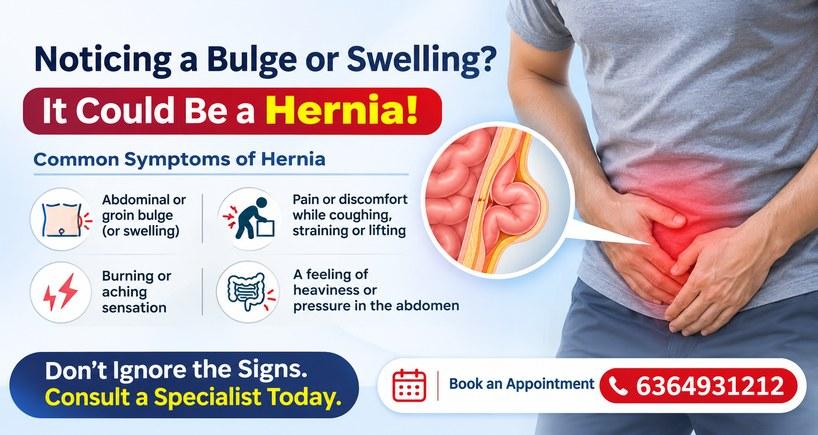


7 Common Symptoms of Hernia You Should Not Ignore
Symptoms of Hernia: Early Warning Signs You Should Not Ignore
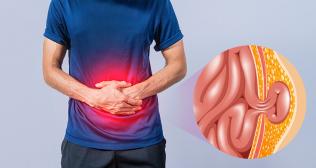
A hernia is a common medical condition that occurs when an internal organ or tissue pushes through a weak spot in the surrounding muscle or connective tissue. It commonly develops in the abdomen or groin and may appear as a visible bulge or swelling.
While some hernias may initially cause little discomfort, others can lead to pain and complications if left untreated. Recognising the early symptoms and seeking timely medical attention can help prevent complications.
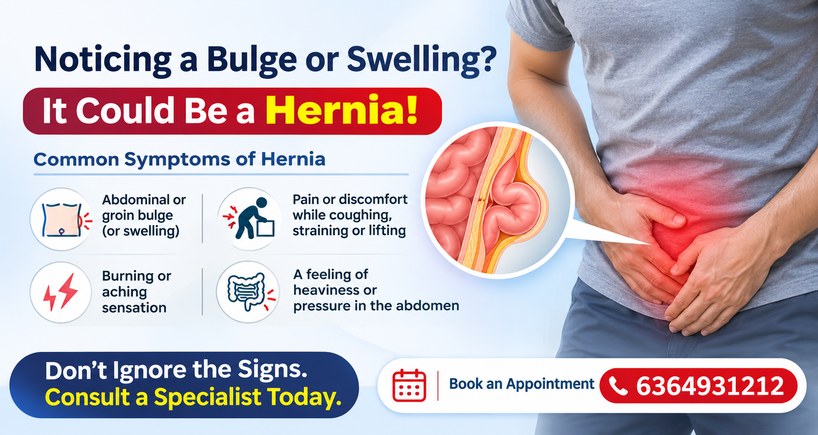
Common Symptoms of Hernia
The symptoms of a hernia may vary depending on its type, size and location. Some of the common warning signs include:
1. Visible Bulge or Swelling
One of the most noticeable symptoms is a lump or bulge in the abdomen, groin or around the belly button. It may become more prominent while standing, coughing or lifting heavy objects.
2. Pain or Discomfort
You may experience pain, pressure or discomfort around the affected area, especially while bending, coughing, exercising or lifting something heavy.
3. Burning or Aching Sensation
Some people experience a burning, aching or pulling sensation near the hernia.
4. Heaviness in the Abdomen or Groin
A feeling of heaviness, pressure or weakness in the affected area can be an early warning sign.
5. Pain While Lifting Heavy Objects
Physical activities that increase pressure inside the abdomen may worsen hernia-related discomfort.
6. Swelling That Changes with Position
The bulge may become more noticeable when standing, coughing or straining and may reduce when lying down.
7. Digestive Discomfort
Certain abdominal hernias may be associated with bloating, nausea or constipation, particularly if complications develop.
When Should You Seek Immediate Medical Attention?
A hernia can sometimes become trapped (incarcerated) or lose its blood supply (strangulated). These conditions require urgent medical attention.
Watch out for the following warning signs:
- Sudden or severe abdominal or groin pain.
- A bulge that becomes hard, tender or cannot be pushed back.
- Redness or darkening of the skin over the swelling.
- Nausea and vomiting.
- Difficulty passing stools or gas.
- Fever accompanied by abdominal pain.
Do not ignore these symptoms. Seek emergency medical care immediately.
What Causes a Hernia?
A hernia can develop due to muscle weakness or increased pressure within the abdomen. Common contributing factors include:
- Heavy lifting and repeated straining.
- Chronic coughing.
- Persistent constipation.
- Obesity.
- Pregnancy.
- Previous abdominal surgery.
- Age-related weakening of abdominal muscles.
Can a Hernia Be Treated?
Yes. Hernia treatment depends on its type, size, symptoms and overall health of the patient.
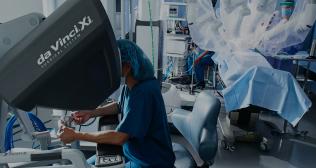
Treatment options may include observation in selected cases or surgical repair. Hernia surgery can be performed through open, laparoscopic or robotic-assisted techniques, depending on the patient's condition and the surgeon's assessment.
Early consultation with a specialist helps determine the most appropriate treatment approach.
Consult Hernia Specialists at Fortis Hospital, Bannerghatta Road
If you notice a bulge, persistent abdominal discomfort or pain in the groin, do not ignore the symptoms.
At Fortis Hospital, Bannerghatta Road, Bengaluru, patients can access specialist evaluation and treatment options for different types of hernia.
Don't ignore the signs. Early diagnosis can make a difference.
Book an Appointment: Contact Fortis Hospital, Bannerghatta Road, Bengaluru, to schedule a consultation: +91 - 6364931212
Categories
Clear allMeet the doctor

- General Surgery | General Surgery | General and Laparoscopic Surgery | General and Minimal Access Surgery | Bariatric Surgery | Robotic Surgery
- Gastroenterology and Hepatobiliary Sciences | Gastroenterology and Hepatobiliary Sciences | Gastrointestinal Surgery | GI, Minimal Access and Bariatric Surgery | Metabolic & Bariatric Surgery | Robotic Surgery
-
 32 Years
-
 1150
Related Blogs
View all
Single Incision Laparoscopic Surgery (SILS) for Hernia Repair
Understanding Gallbladder Stones: Causes, Symptoms, and Treatment Options
Understanding Hernia - Causes, Symptoms, and Treatment Options
Gallstone Complications: When to Seek Medical Attention
Common Myths and Misconceptions About Bariatric Surgery
Understanding Appendicitis: Causes, Symptoms, Risk Factors & Treatment
Understanding Varicose Veins: Causes, Symptoms, Risk Factors & Treatment Options
FAQs

Keep track of your appointments, get updates & more!

