
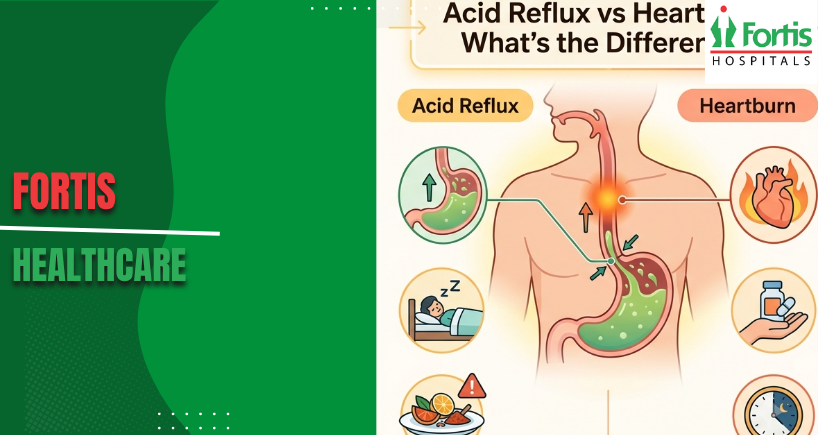


Acid Reflux vs Heartburn What is the Difference
These two terms are often used interchangeably, leading to genuine confusion about what's actually happening in the body. Understanding acid reflux vs heartburn how they relate, where they differ, and when either one signals something more serious can help you manage symptoms more effectively and know when it's time to seek medical care. While closely related, the two terms describe different aspects of the same underlying digestive process.
What Is Acid Reflux?
Acid reflux is a physiological process in which stomach acid flows backward into the esophagus. This typically happens when the lower esophageal sphincter, a muscular valve between the stomach and esophagus, doesn't close properly. Acid reflux is the underlying mechanism, while heartburn is one of its most common resulting symptoms.
What Is Heartburn?
Heartburn refers specifically to the burning sensation in the chest that results from acid reflux. Despite its name, it has nothing to do with the heart the discomfort occurs because stomach acid irritates the sensitive lining of the esophagus.
Key Differences at a Glance
- Acid reflux is the process - the backward flow of stomach acid into the esophagus.
- Heartburn is a symptom - the burning sensation that often results from acid reflux.
- Acid reflux can sometimes occur without noticeable heartburn, especially in milder cases.
- Heartburn is almost always caused by acid reflux, though the intensity can vary significantly.
- Frequent, chronic acid reflux may be diagnosed as gastroesophageal reflux disease (GERD), a more persistent condition.
Common Symptoms of Acid Reflux
- A burning sensation in the chest, typically after eating or when lying down
- A sour or bitter taste in the mouth
- Regurgitation of food or liquid
- Difficulty swallowing
- A persistent cough or sore throat, in some cases
- A feeling of a lump in the throat
What Triggers Acid Reflux and Heartburn
- Eating large meals or lying down soon after eating
- Spicy, fatty, or acidic foods
- Caffeine and alcohol consumption
- Smoking, which weakens the esophageal sphincter
- Being overweight, which increases abdominal pressure
- Pregnancy, due to hormonal changes and physical pressure on the stomach
- Certain medications that can relax the esophageal sphincter
Managing Acid Reflux and Heartburn
- Eat smaller, more frequent meals rather than large portions.
- Avoid lying down immediately after eating; wait at least two to three hours.
- Identify and limit trigger foods, which vary from person to person.
- Elevate the head of the bed slightly if nighttime symptoms are common.
- Maintain a healthy weight to reduce abdominal pressure.
- Limit alcohol and quit smoking, both of which worsen reflux symptoms.
When It Might Be GERD
When acid reflux and heartburn occur frequently generally more than twice a week it may indicate GERD, a chronic condition that can lead to esophageal irritation and other complications if left unmanaged.
When to Consult a Doctor
Occasional heartburn after a heavy or spicy meal is common and usually resolves on its own. However, you should see a doctor if you experience heartburn more than twice a week, if symptoms don't improve with lifestyle changes or over-the-counter remedies, or if you have difficulty swallowing, unexplained weight loss, or persistent chest discomfort. These signs may indicate GERD or another condition that benefits from proper medical evaluation and treatment.
Conclusion
While often used interchangeably, acid reflux and heartburn describe related but distinct aspects of the same digestive process reflux being the underlying mechanism, and heartburn being the resulting symptom. Understanding this distinction can help you better identify triggers, manage symptoms through practical lifestyle changes, and recognize when occasional discomfort may be signaling a more chronic condition like GERD. Persistent or worsening symptoms are always worth discussing with a healthcare provider.
Categories
Clear allRelated Blogs
View all
Single Incision Laparoscopic Surgery (SILS) for Hernia Repair

Understanding Gallbladder Stones: Causes, Symptoms, and Treatment Options
Understanding Hernia - Causes, Symptoms, and Treatment Options
Gallstone Complications: When to Seek Medical Attention

Common Myths and Misconceptions About Bariatric Surgery
Understanding Appendicitis: Causes, Symptoms, Risk Factors & Treatment
Understanding Varicose Veins: Causes, Symptoms, Risk Factors & Treatment Options


FAQs
Can you have acid reflux without heartburn?
Yes, some people experience acid reflux with minimal or no noticeable heartburn, sometimes referred to as silent reflux, which can still cause symptoms like cough or throat irritation.
Is occasional heartburn a sign of a serious problem?
Not usually. Occasional heartburn after certain foods or large meals is common and generally not a cause for concern unless it becomes frequent or severe.
What's the difference between heartburn and GERD?
Heartburn is a symptom, while GERD is a chronic condition diagnosed when acid reflux and heartburn occur frequently and consistently over time.
Do antacids treat the underlying cause of acid reflux?
Antacids help neutralize stomach acid and relieve symptoms temporarily, but they don't address the underlying cause, which is why lifestyle changes are important for frequent reflux.
Can diet alone control acid reflux symptoms?
For many people, dietary and lifestyle changes significantly reduce symptoms, though some individuals with more persistent reflux may also need medication under medical guidance.

Keep track of your appointments, get updates & more!

