
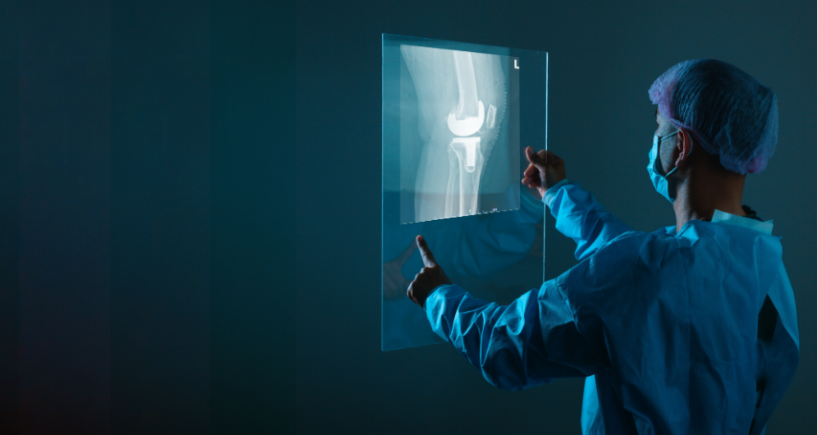


ACL Injury Recovery Without Surgery - Lifestyle Tips
Medicine Made Simple Summary
An ACL tear is a common knee injury that many people think always requires surgery. But that isn’t true for everyone. While surgery is recommended for athletes and younger patients, others may live full lives without reconstruction by relying on physiotherapy, knee braces, and lifestyle adjustments. Choosing the right treatment depends on age, activity level, and how stable the knee feels. This article explains in plain language what happens when you don’t repair a torn ACL, who might do well without surgery, and how to plan recovery conservatively.
Understanding the ACL and Its Function
The anterior cruciate ligament, or ACL, is one of four main ligaments that stabilize the knee. It prevents the shinbone from sliding forward and controls twisting motions. Think of the ACL like a seatbelt for your knee—it steps in during sudden stops and pivots. Without it, the joint can feel unstable or unsafe, especially during sports or quick turns.
What Happens When the ACL Tears?
A torn ACL does not usually heal on its own. The ligament has poor blood supply, so once it ruptures, the body cannot repair it naturally. Immediately after injury, patients feel pain, swelling, and often hear a 'pop.' After a few weeks, the pain may reduce, but stability is compromised. Some people experience frequent giving-way episodes, while others adapt and function well in daily life. The difference lies in lifestyle, muscle strength, and whether other knee structures are damaged.
Do All ACL Tears Need Surgery?
Not every ACL tear requires reconstruction. Surgery is crucial for athletes and those who need full stability. However, older adults, desk job workers, and people willing to avoid pivot-heavy sports can often manage without surgery. Studies show many patients live active, pain-free lives with non-surgical management when combined with rehabilitation.
Who Can Manage Without Surgery?
Patients most likely to succeed without surgery include:
- Older adults who don’t play high-risk sports.
- People with low physical demands.
- Individuals willing to avoid risky movements and sports.
- Patients committed to long-term physiotherapy to strengthen muscles around the knee.
Physiotherapy: The Cornerstone of Non-Surgical Treatment
Physiotherapy builds dynamic stability. Strong muscles compensate for the missing ligament. Stages include:
Stage 1: Early Recovery – reduce swelling, restore range of motion, gentle quad and hamstring exercises.
Stage 2: Strengthening – resistance band workouts, squats, step-ups, hip and core training.
Stage 3: Balance Training – wobble boards, balance cushions, agility drills.
Stage 4: Functional Training – cycling, swimming, jogging, sport-specific drills under guidance.
Patients who follow these programs often regain confidence and stability, even without surgery.
The Role of Bracing
Knee braces provide external stability. Functional braces are commonly used during activities like hiking or sports. They don’t replace the ligament but give added support and reduce instability episodes. Braces are particularly helpful for patients who want to remain active but avoid surgery.
Lifestyle Adjustments for Long-Term Success
Patients choosing non-surgical care must adapt their lifestyle. This may include:
- Avoiding sports with sudden pivots like basketball, football, or tennis.
- Choosing low-impact activities like cycling, swimming, and walking.
- Being cautious on uneven terrain.
- Maintaining long-term fitness and muscle strength.
With these adjustments, many patients live active and fulfilling lives without surgery.
Risks of Avoiding Surgery
Non-surgical management can lead to:
- Repeated instability, causing new meniscus or cartilage injuries.
- Higher risk of arthritis from repeated damage.
- Limited ability to return to high-demand sports.
These risks should be weighed carefully before deciding against surgery.
When Non-Surgical Treatment Isn’t Enough
Some patients start with conservative management but later choose surgery due to persistent instability, new injuries, or desire to return to sports. Delaying surgery does not necessarily reduce success rates, provided the knee is protected during the waiting period.
Comparing Surgical and Non-Surgical Outcomes
Surgery provides the strongest stability, making it the best option for athletes. Non-surgical treatment often works for daily activities but comes with lifestyle limitations. Both paths require long-term commitment to physiotherapy, but the choice depends on age, goals, and activity levels.
Questions to Discuss with Your Doctor
Key questions include:
- Can my lifestyle be maintained without surgery?
- What risks will I face if I avoid reconstruction?
- How successful is physiotherapy alone for someone like me?
- If I change my mind later, can I still undergo surgery successfully?
Conclusion
An ACL tear can change your life, but surgery is not always the only solution. Many patients succeed with physiotherapy, bracing, and lifestyle adjustments. For others, especially young athletes, surgery is the safest way to restore stability.
If you are deciding between surgery and non-surgical treatment, talk to your doctor about your activity level, lifestyle, and long-term goals. With the right plan, you can protect your knee and return to an active life safely.
Categories
Clear allMeet the doctor
}}drupal-data/images/doctor_female.jpg)
- Orthopaedics | Orthopaedics | Orthopaedics and Joint Replacement | Orthopaedics and Spine Surgery
-
 23 Years
-
 800
Related Blogs
View all



FAQs

Keep track of your appointments, get updates & more!

