
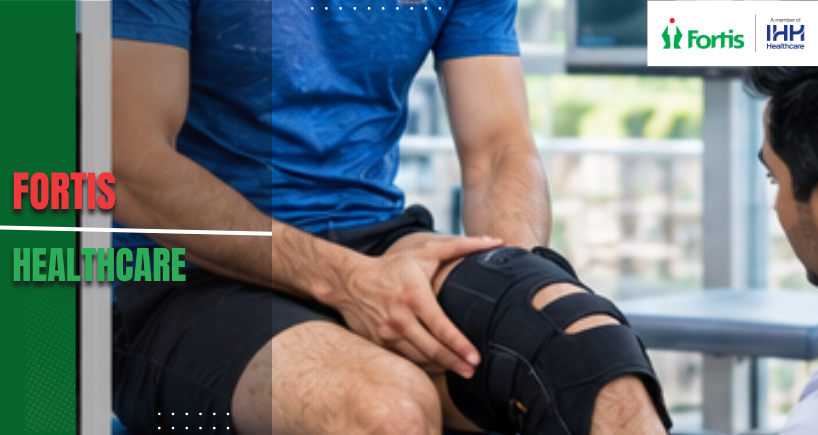


ACL Injury Treatment in Bangalore When Surgery Is Needed and What Recovery Looks Like
An ACL (anterior cruciate ligament) injury is one of the most common and feared knee injuries, particularly among athletes and active individuals. Whether it happens on the football field, during a badminton match, or from an awkward misstep, understanding your treatment options is key to getting back on your feet.
This guide explains when ACL surgery becomes necessary, what modern treatment in Bangalore typically involves, and what patients can realistically expect during recovery.
With advances in arthroscopic technique and structured rehabilitation programs, most patients today can expect a strong return to their previous activity level with the right treatment plan.
Understanding the ACL and How It Gets Injured
The anterior cruciate ligament is one of the key ligaments that stabilizes the knee joint, connecting the thigh bone to the shin bone and controlling forward movement and rotation of the knee.
ACL injuries commonly occur during sports involving sudden stops, direction changes, or jumping, such as football, basketball, and badminton. They can also result from direct impact during contact sports or from awkward landings.
A torn ACL is often accompanied by a distinct popping sensation at the time of injury, followed by rapid swelling and a feeling of instability in the knee.
Non-contact injuries, where the knee twists without any external impact, are actually more common than collision-related tears and often catch athletes off guard.
Recognizing the Symptoms
Common symptoms of an ACL injury include:
- sudden, severe knee pain
- rapid swelling within hours of the injury
- a feeling that the knee is "giving way" or unstable
- reduced range of motion
Some people, particularly those with a partial tear, may be able to walk after the injury but notice ongoing instability, especially during activities that involve pivoting or sudden direction changes.
Because pain sometimes subsides within a day or two even without treatment, some patients mistakenly assume the injury was minor, only to discover ongoing instability once they attempt to return to sport.
How ACL Injuries Are Diagnosed
Diagnosis typically begins with a physical examination, including specific stability tests that assess how the knee moves under stress. An MRI scan is usually recommended to confirm the diagnosis, assess the severity of the tear, and check for associated injuries to the meniscus or other knee ligaments, which often occur alongside ACL tears.
Accurate diagnosis is essential, as treatment decisions depend heavily on the extent of the tear and whether other structures in the knee have also been damaged.
When Is Surgery Necessary?
Not every ACL injury requires surgery. The decision depends on several factors, including the severity of the tear, the patient's activity level and goals, age, and whether the knee remains stable during daily activities.
Surgery is generally recommended for:
- athletes and active individuals who want to return to sports involving pivoting or cutting movements
- patients with persistent knee instability affecting daily function
- those with associated injuries like meniscus tears that need repair
For less active individuals or those willing to modify their activity levels, a structured physiotherapy program focused on strengthening the muscles around the knee may provide sufficient stability without surgery.
Ultimately, this decision is best made collaboratively between the patient and an orthopedic specialist, weighing lifestyle goals against the realistic risks and benefits of each path.
What ACL Reconstruction Surgery Involves
ACL reconstruction is typically performed arthroscopically, using small incisions and a camera-guided approach rather than large open incisions. The torn ligament is replaced with a graft, often taken from the patient's own hamstring or patellar tendon, or occasionally from a donor tissue graft.
This minimally invasive approach generally results in less post-operative pain, smaller scars, and a faster initial recovery compared to traditional open surgery, though the overall rehabilitation timeline remains lengthy regardless of surgical technique.
Choice of graft type is typically discussed in detail with the surgeon beforehand, as each option carries slightly different considerations regarding strength, healing time, and donor-site discomfort.
The Recovery Journey
Immediate Post-Surgery Phase
The first few weeks focus on reducing swelling, managing pain, and gradually restoring range of motion through gentle guided exercises under a physiotherapist's supervision.
Weight-bearing is typically introduced gradually during this phase, following the specific protocol recommended by the surgical team based on the graft type used.
Strength Rebuilding Phase
Over the following months, physiotherapy progresses to strengthening exercises targeting the muscles supporting the knee, gradually increasing intensity as healing progresses.
This phase often includes balance and proprioception training, which helps the knee relearn how to react to sudden movements, an important step before returning to any pivoting activity.
Return to Sport Phase
Most patients can expect a full return to competitive sport around 9 to 12 months after surgery, following sport-specific training and functional testing to confirm the knee can handle the demands of pivoting and rapid movement safely.
Clearance for return to sport is typically based on objective strength and stability testing rather than time alone, since healing rates can vary meaningfully between individuals.
Setting Realistic Expectations
ACL recovery is a gradual process that requires patience and consistent commitment to physiotherapy. Rushing back to sport before the knee and graft have fully matured significantly increases the risk of re-injury, making adherence to a structured rehabilitation timeline just as important as the surgery itself.
Categories
Clear allMeet the doctor

- Orthopaedics | Robotic and Computer navigated Joint reconstruction | Sports Medicine | Orthopaedics | Orthopaedics and Joint Replacement
-
 10 Years
-
 1150
1150
Related Blogs
View all





FAQs

Keep track of your appointments, get updates & more!

