
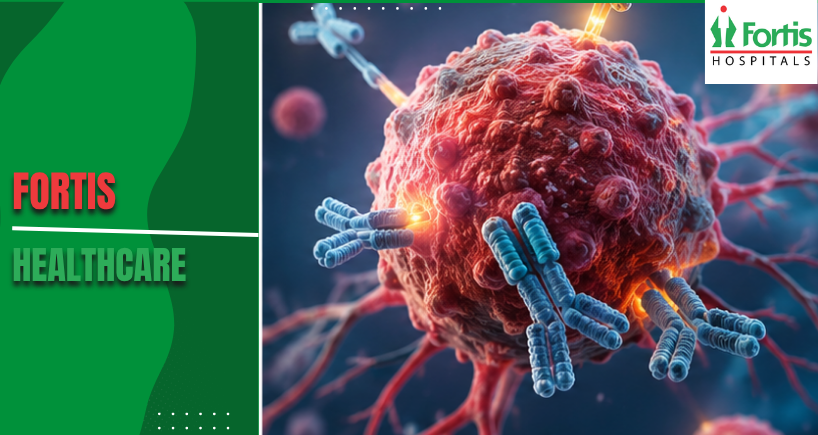


Advances in Targeted Therapies for Treating Wilms Tumor
Traditional chemotherapy has served as the backbone of kidney cancer treatment in children for decades, achieving remarkable cure rates through broad attacks on rapidly dividing cells. However, these conventional agents also affect healthy tissues, causing side effects that burden young patients during treatment and sometimes leave lasting impacts. Scientific advances in understanding cancer biology at the molecular level have opened new treatment frontiers. Targeted therapies represent precision approaches that exploit specific vulnerabilities within cancer cells while potentially sparing normal tissue.
Research over the past decade has identified numerous molecular pathways disrupted in pediatric kidney tumors. These discoveries reveal potential therapeutic targets where medications might interfere specifically with cancer cell survival and growth. While targeted agents remain mostly experimental for this childhood malignancy, early clinical trials show promise. Understanding these emerging approaches helps families appreciate how treatment continues evolving and may offer hope for those facing challenging cases.
What Makes Targeted Therapy Different
Unlike traditional chemotherapy that attacks all rapidly dividing cells indiscriminately, targeted medications zero in on specific molecules essential for cancer cell function. These drugs recognize unique features of malignant cells, such as abnormal proteins or overactive growth signals. By focusing on cancer specific targets, these agents theoretically cause fewer side effects affecting normal tissues. The goal involves creating more effective treatment with less collateral damage to healthy organs.
Targeted drugs work through various mechanisms depending on their specific target. Some block signals that tell cancer cells to divide. Others interfere with blood vessel formation that tumors need for nutrients and oxygen. Additional agents trigger cancer cell death through activation of self destruction pathways. Understanding wilms tumor pathophysiology at the molecular level allows researchers to identify which targets might prove most valuable for therapeutic exploitation.
Key Molecular Targets Under Investigation
Growth factor receptors on cancer cell surfaces represent important therapeutic targets. These proteins receive signals from outside the cell that promote growth and division. Blocking these receptors with targeted antibodies or small molecule inhibitors can slow tumor expansion. The insulin like growth factor pathway shows particular relevance since some kidney tumors exhibit overactivity in this signaling cascade. Medications targeting this pathway undergo testing in clinical trials.
Blood vessel formation, called angiogenesis, supplies tumors with oxygen and nutrients essential for growth. Blocking angiogenesis starves tumors and limits their expansion capability. Several anti angiogenic drugs have shown effectiveness in adult cancers and are being evaluated for pediatric applications. The vascular endothelial growth factor pathway represents a key target, with medications designed to interfere at multiple points along this signaling route.
How Genetic Profiling Guides Treatment Selection
Analyzing tumor tissue at the molecular level reveals specific genetic alterations present in each child's cancer. This profiling identifies which pathways are disrupted and therefore might respond to targeted interventions. Not all tumors share identical molecular features, meaning that precision medicine approaches must be individualized. Some genetic changes predict sensitivity to particular targeted agents while others suggest resistance.
As molecular testing becomes more sophisticated and accessible, oncologists increasingly incorporate genetic information into treatment planning. Understanding wilms tumor causes at the genetic level allows matching patients to therapies most likely to benefit them. This personalized approach represents the future of cancer medicine, moving beyond one size fits all protocols toward treatments tailored to individual tumor biology.
Current Clinical Trials Testing Novel Agents
Multiple research studies are exploring targeted therapies for pediatric kidney cancer, particularly for high risk or recurrent cases where conventional treatment proves insufficient. These trials test safety and effectiveness of new drugs either alone or combined with standard chemotherapy. Some studies focus on specific genetic subtypes more likely to respond to particular targeted agents. Participation in clinical trials provides access to cutting edge treatments while advancing knowledge that benefits future patients.
Cooperative research groups coordinate multi institutional trials that accrue patients faster and generate more robust data than single center studies. These collaborations ensure rigorous scientific standards and equitable access to experimental treatments. Families interested in clinical trial participation should discuss options with their oncology team. Not all patients qualify for every trial, as eligibility criteria target specific disease characteristics or treatment histories.
Combining Targeted Agents With Standard Treatment
Rather than replacing conventional chemotherapy entirely, targeted therapies often work alongside standard agents. This combination approach leverages different mechanisms of action to attack cancer cells from multiple angles. Traditional chemotherapy damages DNA and prevents cell division, while targeted drugs interfere with specific survival signals cancer cells depend on. Together, these complementary mechanisms may prove more effective than either approach alone.
Determining optimal combinations and sequencing requires careful study. Some targeted agents enhance chemotherapy effectiveness, potentially allowing dose reductions that decrease side effects. Others work best after conventional therapy has reduced tumor bulk. Understanding wilms tumor prognosis factors helps researchers design trials that test new combinations in patients most likely to benefit.
Managing Side Effects of Targeted Therapies
While targeted drugs theoretically spare normal tissues more than traditional chemotherapy, they still produce side effects. The specific toxicity profile depends on which pathway the medication targets. Anti angiogenic drugs can cause high blood pressure, bleeding problems, and wound healing delays. Growth factor inhibitors may produce skin rashes, diarrhea, and mouth sores. Fatigue remains common across many targeted agents.
Most side effects prove manageable with supportive medications and dose adjustments. Close monitoring during treatment allows rapid identification and intervention for emerging problems. Oncology teams experienced with these newer agents understand expected toxicities and have protocols for prevention and management. Families should report all symptoms promptly so medical teams can provide appropriate supportive care, much as dentists manage recovery after procedures like wisdom tooth extraction through careful monitoring and intervention.
Limitations and Challenges of Precision Medicine
Despite excitement surrounding targeted therapies, significant challenges remain before these approaches become standard care. Many targeted drugs show effectiveness in laboratory studies but prove less impressive in human trials. Cancer cells often develop resistance to targeted agents through alternative pathway activation. The high cost of developing and manufacturing these specialized medications raises access and affordability concerns.
Pediatric cancers occur less frequently than adult malignancies, making it harder to conduct large clinical trials. Pharmaceutical companies historically focused on adult markets, leaving pediatric applications understudied. However, legislation requiring pediatric testing of cancer drugs is expanding research in childhood malignancies. As more targeted agents gain approval for adult cancers, pediatric oncologists advocate for trials testing these medications in children.
The Future of Wilms Tumor Diagnosis and Treatment
Advances in molecular diagnostics will likely enable earlier and more precise tumor characterization. Liquid biopsies that detect cancer DNA in blood samples may supplement or even replace traditional tissue biopsies in some scenarios. Real time monitoring of treatment response through molecular markers could allow rapid adjustments when therapy proves ineffective. These innovations promise to make cancer care increasingly personalized and responsive.
Immunotherapy represents another frontier, harnessing the body's immune system to recognize and attack cancer cells. While less developed for this pediatric kidney cancer compared to some adult malignancies, research continues exploring immune based strategies. Combination approaches using targeted therapy alongside immunotherapy show particular promise in adult cancers and may eventually translate to pediatric applications.
Reasons for Optimism About Treatment Evolution
The current treatment success rates for this childhood cancer already rank among the best in pediatric oncology. Adding targeted therapies to the therapeutic arsenal aims to improve outcomes further, particularly for high risk cases. Even modest improvements in cure rates translate to many additional children surviving into adulthood. Equally important, targeted approaches may reduce treatment intensity and side effects for some patients, improving quality of life during and after therapy.
Research momentum continues building as scientists unravel cancer biology at ever finer detail. Each discovery opens new therapeutic possibilities and refines understanding of which patients need more or less intensive treatment. Families facing this diagnosis today benefit from decades of collaborative research. Those diagnosed in coming years will likely have access to even more sophisticated and effective treatment options based on current investigational efforts.
Categories
Clear allRelated Blogs
View all







FAQs

Keep track of your appointments, get updates & more!

