
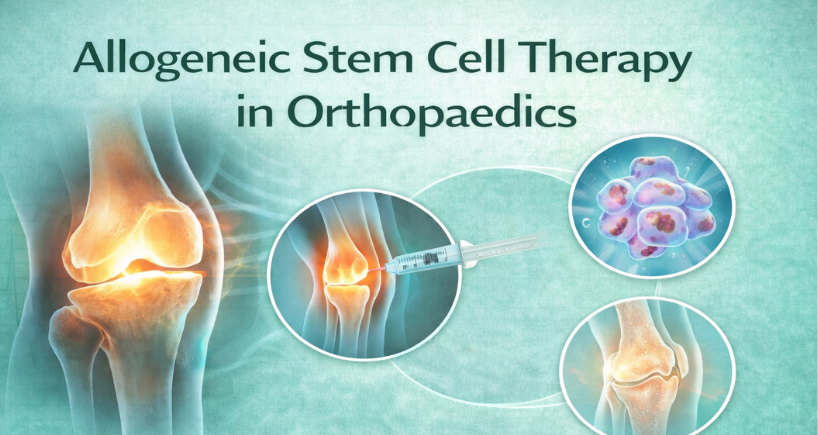


Allogeneic Stem Cell Therapy in Orthopaedics - A New Era of Regenerative Medicine at Fortis Hospital Mohali
Dr. Mandeep Singh Dhillon, MBBS, MS (Orth), FAMS, FRCS
Director, Orthopaedics and Sports Medicine | Fortis Hospital Mohali, India
Introduction: The Rise of Regenerative Medicine in Orthopaedics
Orthopaedic conditions such as osteoarthritis, cartilage injuries, tendon damage, and degenerative joint diseases affect hundreds of millions of people worldwide. Osteoarthritis alone impacts over 500 million individuals globally, making it one of the most prevalent causes of chronic pain and disability. While conventional treatments including pain medications, physiotherapy, and joint replacement surgery have served patients for decades, they often fall short of addressing the root cause of tissue damage.
This is where regenerative medicine steps in. Stem cell therapy is transforming the landscape of orthopaedics by offering the potential to repair and regenerate damaged tissues at the cellular level. Ever since the advent of orthobiologics in India, pioneered by Dr. Mandeep Singh Dhillon in 2009, the evolution of regenerative medicine in the country has been nothing short of dramatic.
Over the last two years, Fortis Hospital Mohali has emerged as a leader in regenerative strategies for orthopaedic conditions and sports medicine, with Dr. M.S. Dhillon spearheading advanced treatments. Starting with PRP (Platelet-Rich Plasma) therapy and the innovative “superdose” concept of high-dose platelet-rich plasma, and progressing to the use of bone marrow-derived stem cells for conditions including avascular necrosis and non-union fractures, this specialised branch of medicine has evolved remarkably. The next logical step was harnessing stem cells from donors—bringing allogeneic stem cell therapy to the forefront of orthopaedic care.
Did you know? Dr. Dhillon’s landmark PRP study for knee osteoarthritis, published in the United States, has accumulated nearly 1,000 citations and is one of the most referenced orthopaedic publications from Asia.
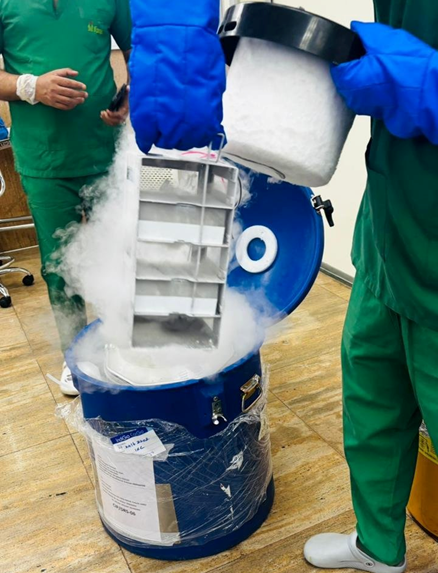
Cryopreserved allogeneic stem cells being prepared for treatment at Fortis Hospital Mohali.
What Is Allogeneic Stem Cell Therapy?
Allogeneic stem cell therapy involves using stem cells derived from a healthy donor rather than the patient’s own body. These donor-derived mesenchymal stem cells (MSCs) are harvested from sources such as bone marrow, umbilical cord tissue, or placental tissue, and are cultured using specialised, patented technology to ensure high cell viability and regenerative potential.
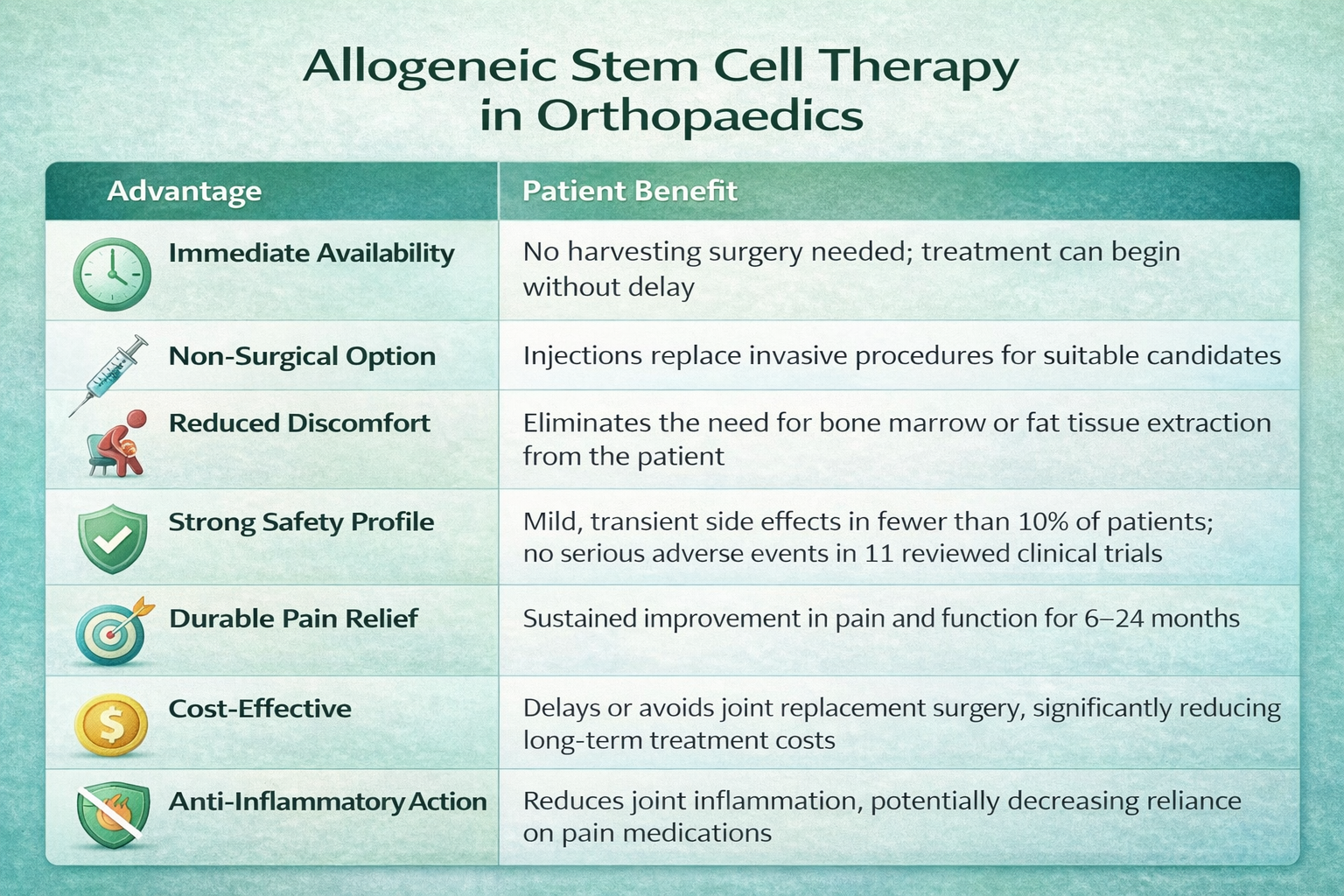
Unlike autologous stem cell therapy—where cells are extracted from the patient’s own body, requiring an additional surgical procedure and processing time—allogeneic therapy offers an “off-the-shelf” solution. This means donor stem cells are ready for immediate use, eliminating harvesting delays and reducing patient discomfort significantly.
How do allogeneic stem cells work? Once injected into the affected area, these cells act primarily through paracrine signalling. They secrete anti-inflammatory cytokines, growth factors such as VEGF and TGF-β, and exosomes that modulate the immune environment. In the joint, they shift the inflammatory balance from destructive M1 macrophages to healing M2 macrophages, inhibit cartilage-degrading enzymes like MMP-13, and stimulate the body’s own repair mechanisms to regenerate cartilage, bone, and tendon tissue.
Importantly, MSCs possess naturally low immunogenicity, meaning the risk of immune rejection is minimal. This makes allogeneic therapy a safe and practical option for a wide range of patients.
Orthopaedic Conditions Treated With Allogeneic Stem Cell Therapy
Osteoarthritis (Knee, Hip, and Shoulder)
Osteoarthritis remains the primary indication for allogeneic stem cell therapy. Intra-articular injections of donor MSCs have demonstrated significant pain reduction and functional improvement. Clinical data show VAS pain score reductions of 13 to 27 points at 12 months, along with meaningful improvements on the WOMAC functional index. For carefully selected patients at a specific stage of osteoarthritis, this therapy offers a non-surgical alternative that can delay or even avoid total joint replacement—saving an estimated ₹15 lakh or more per patient in surgical costs.
Cartilage Injuries and Defects
Athletes and active individuals with focal cartilage defects benefit from allogeneic MSCs combined with scaffolds or PRP. Phase II trials report MRI-confirmed cartilage volume increases in approximately 70% of treated patients, with some studies showing joint replacement delays of over 10 years.
Tendon and Ligament Injuries
Rotator cuff tears, Achilles tendon injuries, and ligament damage respond to stem cell therapy through modulation of the inflammatory environment. Studies using umbilical cord-derived MSCs have reported reduced retear rates of 15% compared to 30% in control groups, with sustained pain relief at 24 months.
Bone Healing and Non-Union Fractures
For patients with delayed bone healing or non-union fractures, allogeneic stem cells enhance osteoblast differentiation and collagen synthesis. Bone marrow-derived MSC exosomes, particularly from hypoxia-preconditioned cells, accelerate healing with union rates of 80–90% reported in advanced trials.
Spinal Conditions
Degenerative disc disease and lumbar facet arthropathy are emerging indications. Ongoing clinical trials, including allogeneic BM-MSC injections for lumbar arthropathy, have shown early pain score improvements of up to 40%.
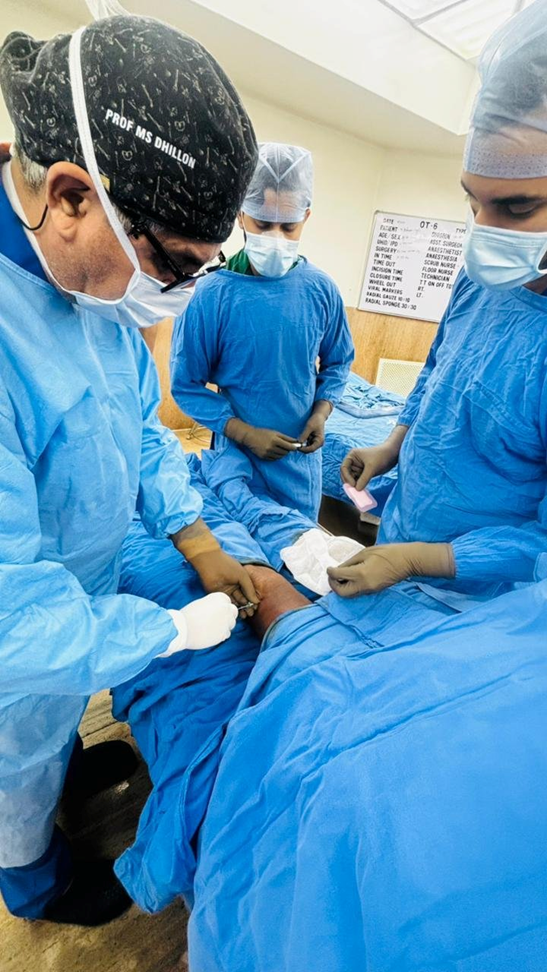
The medical team at Fortis Hospital Mohali performing an allogeneic stem cell injection procedure.
How the Treatment Works: A Step-by-Step Process
The allogeneic stem cell therapy process at Fortis Hospital Mohali follows a carefully structured protocol. It begins with a comprehensive patient evaluation including X-ray, MRI, and CT imaging to identify the specific orthopaedic condition and confirm suitability for treatment. Once the patient is deemed eligible, the stem cell product is prepared from the donor source under strict quality controls. The cells are then injected or implanted into the affected area using image-guided techniques such as ultrasound or fluoroscopy for precision. In some cases, the therapy is combined with PRP or delivered arthroscopically alongside cartilage repair procedures. Following treatment, a structured rehabilitation programme involving controlled physical activity, physiotherapy, and gradual return to daily activities ensures optimal healing outcomes. Progress is monitored through follow-up imaging.
Key Advantages of Allogeneic Stem Cell Therapy
Safety, Risks, and Important Considerations
Allogeneic stem cell therapy has demonstrated a reassuring safety profile across multiple clinical trials. Adverse events are typically mild and transient, most commonly limited to injection-site swelling. However, patients should be aware of potential risks including rare immune reactions (which are minimised through careful donor screening and HLA matching), limited response in cases of severe advanced degeneration, and the possibility of infection at the injection site.
It is important to note that while clinical evidence is growing rapidly, this therapy is still considered investigational by many regulatory bodies and insurance providers. Patients should always seek treatment at regulated medical facilities under the supervision of experienced specialists. Research protocols continue to evolve, and long-term data beyond two years is still being accumulated through ongoing clinical trials.
Why Fortis Hospital Mohali for Stem Cell Therapy?
Fortis Hospital Mohali is equipped with cutting-edge facilities for regenerative orthopaedics and has developed into a regional hub for advanced sports injury management. The hospital provides a comprehensive range of biologic therapies including PRP for sports injuries and osteoarthritis, bone marrow stem cell treatments for avascular necrosis and bone healing problems, cartilage regeneration procedures, and now allogeneic stem cell therapy for osteoarthritis and beyond.
This allogeneic stem cell programme was initiated at Fortis Hospital Mohali by a team led by Dr. M.S. Dhillon and Dr. Aman Hooda, making advanced regenerative therapy accessible across north India—particularly for patients in Punjab, Chandigarh, Haryana, and Himachal Pradesh. Patients now have access to world-class treatments locally, without needing to travel abroad, strengthening Mohali’s reputation as a medical hub for orthopaedic excellence.
About Dr. Mandeep Singh Dhillon
With nearly 40 years of experience in orthopaedics and sports medicine, Dr. Dhillon is widely recognised as the pioneer of regenerative medicine in Indian orthopaedics. He initiated the concept of orthobiologics in India in 2009–2010 and has numerous landmark research publications in this field.
Professional Credentials and Achievements: Dr. Dhillon is the founder President of the Indian Ortho Biologics Society (IBOS) and Former President of the Indian Orthopaedic Association (2018). He specialises in arthroscopy, hip and shoulder joint replacement, foot and ankle surgery, and regenerative therapies. His involvement in sports extends to serving as team doctor for the Indian Hockey team and consultant to the Sri Lanka Cricket Board, BCCI, and the UT and Punjab Cricket associations.
Global Recognition: AO Trauma Leadership
Dr. Dhillon serves as Chairman of Research for AO Trauma Asia Pacific and is a member of the AO Trauma International Board. AO Trauma is a prestigious international organisation dedicated to improving trauma and musculoskeletal care worldwide. His leadership role ensures that international standards of research and innovation are brought directly to patient care in India.
Pioneering Textbook: Orthobiologics
Dr. Dhillon’s commitment to advancing regenerative medicine is further exemplified by his landmark textbook, Orthobiologics, published by Salubris Publishers in collaboration with the Indian Ortho Biologics Society (IBOS). This comprehensive, multi-contributor volume—featuring a foreword by internationally renowned expert Dr. Alberto Gobbi—covers the full spectrum of biologic therapies in orthopaedics, including platelet-rich plasma, stem cells, scaffolds, and cell-based treatments for injuries to joints, cartilage, ligaments, tendons, bones, and meniscus.
The book brings together contributions from world and regional leaders in the field, making cutting-edge concepts and methodologies accessible to practising orthopaedic surgeons. Covering applications in sports medicine, arthritis management, tendinopathies, fracture healing, and region-specific chapters on the shoulder, hip, knee, and spine, it serves as a definitive reference for orthobiologic practice. The textbook is available on Amazon.in and Flipkart, and stands as a testament to Dr. Dhillon’s role in shaping the academic foundation of regenerative orthopaedics in India and beyond.
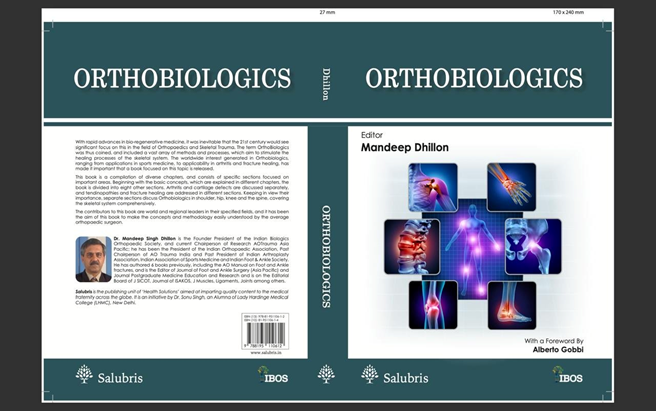
Orthobiologics – edited by Dr. Mandeep Dhillon | Published by Salubris Publishers & IBOS | Foreword by Alberto Gobbi
The Future of Stem Cell Therapy in Orthopaedics
The field of regenerative orthopaedics is advancing rapidly. Innovations on the horizon include CRISPR-edited hypoimmunogenic MSC lines for universal compatibility, exosome-based targeted delivery systems, combination therapies with bioengineered scaffolds and gene therapy, and AI-optimised dosing protocols. By 2030, these advances could push treatment success rates beyond 90% with standardised, personalised regenerative therapies, potentially transforming how we approach joint degeneration and musculoskeletal injuries.
Conclusion
Allogeneic stem cell therapy represents a transformative step forward in orthopaedic regenerative medicine. It is no longer experimental—it is being practised successfully in India, led by pioneers like Dr. Mandeep Singh Dhillon at Fortis Hospital Mohali. With his definitive textbook Orthobiologics laying the academic groundwork and his clinical practice pushing boundaries, Dr. Dhillon’s team is offering patients a genuine alternative to invasive surgery, with the potential for lasting pain relief and tissue repair.
For patients with osteoarthritis, cartilage damage, tendon injuries, or other degenerative orthopaedic conditions, allogeneic stem cell therapy may represent a path to renewed mobility and quality of life. Continued research, clinical trials, and growing patient experience are expanding its role in orthopaedic care every day.
To learn more about allogeneic stem cell therapy or to schedule a consultation with Dr. Mandeep Singh Dhillon at Fortis Hospital Mohali, contact the Department of Orthopaedics and Sports Medicine today.
Key Research Publications and Books by Dr. Dhillon
- Orthobiologics – Comprehensive Textbook (Salubris Publishers / IBOS
- PRP Therapy for Knee Osteoarthritis – Landmark Study (American Journal of Sports Medicine)
- Regenerative Medicine in Orthopaedics – Review of Orthobiologics
- Bone Marrow Stem Cells for Avascular Necrosis – Clinical Outcomes
Contact Us – Fortis Hospital Mohali
For appointments, consultations, and diagnostic services, please contact:
📞 72728 72728
Our care team will assist you with:
Doctor appointments
Diagnostic and screening services
Health check-ups
Call now to book your appointment at Fortis Hospital, Mohali.
Categories
Clear allMeet the doctor
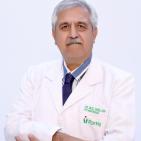
- Orthopaedics | Orthopaedics | Orthopaedics and Joint Replacement | Sports Medicine
-
 37 Years
-
 1250
1250
Related Blogs
View all







FAQs

Keep track of your appointments, get updates & more!

