


Aortic Valve Replacement Without Open Heart Surgery in Bangalore
TAVI Specialist in Bangalore: Advanced Aortic Valve Replacement at Fortis Hospital, Bannerghatta Road
Introduction: Understanding Advanced Aortic Valve Treatment
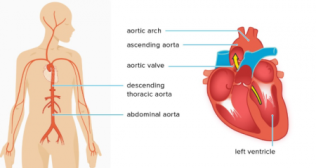
The heart's aortic valve plays a vital role in maintaining healthy blood circulation. It allows oxygen-rich blood to flow from the heart's main pumping chamber into the aorta, which carries blood to the rest of the body. When this valve becomes narrowed or fails to close properly, the heart may need to work harder to pump blood, potentially affecting everyday activities and overall quality of life.
For patients diagnosed with severe aortic valve disease, Transcatheter Aortic Valve Implantation (TAVI), also known as Transcatheter Aortic Valve Replacement (TAVR), is an important treatment option. This minimally invasive, catheter-based procedure allows a replacement valve to be delivered to the heart without the need for conventional open-heart valve replacement.
At Fortis Hospital, Bannerghatta Road, Bangalore, patients seeking specialised cardiac evaluation can consult an interventional cardiologist to understand their diagnosis and available treatment options. A detailed clinical assessment helps determine whether TAVI, surgical aortic valve replacement or another approach may be appropriate for the individual's condition.
If you or a family member has been diagnosed with aortic stenosis or another aortic valve disorder, understanding the available treatment options is an important first step towards making an informed decision.
What Is TAVI/TAVR?
Transcatheter Aortic Valve Implantation is an advanced procedure used primarily to treat severe aortic stenosis, a condition in which the aortic valve becomes narrowed and restricts blood flow from the heart.
Unlike traditional surgical aortic valve replacement, which generally requires an operation to access the heart, TAVI uses a catheter to deliver a replacement valve to the affected area.
The replacement valve is positioned within the diseased native aortic valve. Once deployed, it helps restore blood flow through the valve.
TAVI and TAVR refer to the same general treatment approach. The terms are often used interchangeably in clinical practice and online searches.
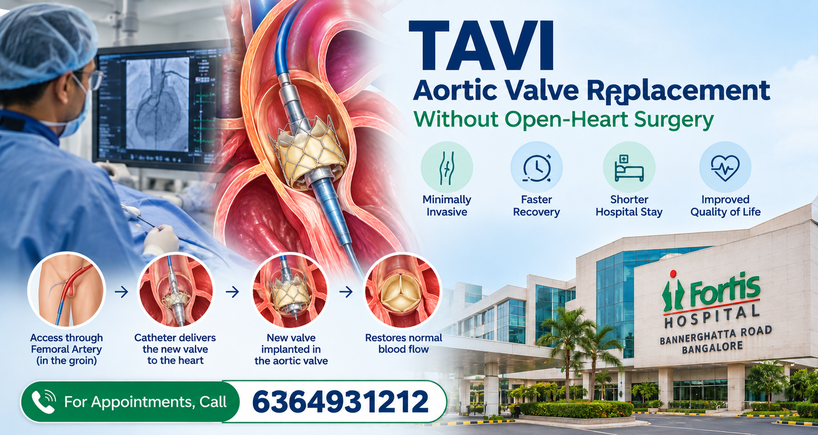
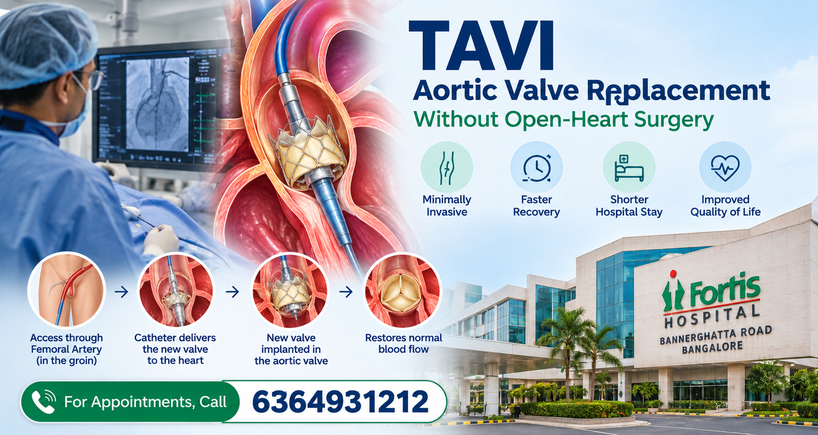
How Does TAVI Work?
In a typical transfemoral TAVI procedure:
- A small access point is created, usually in the groin, to reach the femoral artery.
- A thin, flexible catheter carrying the replacement valve is guided through the blood vessels towards the heart.
- Advanced imaging techniques help the treating team position the replacement valve accurately.
- The replacement valve is deployed within the diseased aortic valve.
- The team assesses valve function, blood flow and other important parameters before completing the procedure.
The exact technique, valve type and access route depend on the patient's anatomy, medical history and clinical requirements.
An important distinction: TAVI is not simply a less invasive version of surgery that is suitable for everyone. The most appropriate treatment depends on several clinical factors, including age, valve anatomy, other medical conditions, procedural risks and long-term treatment considerations.
What Is Aortic Valve Disease?
Aortic valve disease refers to conditions that affect how the aortic valve opens or closes. When valve function becomes significantly impaired, the heart may struggle to circulate blood efficiently.
Two important forms of aortic valve disease are aortic stenosis and aortic regurgitation.
1. Aortic Stenosis
Aortic stenosis occurs when the aortic valve opening becomes narrowed. The heart must generate greater pressure to push blood through the restricted opening.
Common causes include age-related valve calcification, congenital valve abnormalities and, in some cases, rheumatic heart disease.
As the condition progresses, patients may experience breathlessness, chest discomfort, dizziness, fainting or reduced exercise tolerance.
Severe aortic stenosis requires careful assessment by a cardiologist. Depending on the severity of the condition and the patient's clinical profile, valve replacement may be recommended.
TAVI is an established treatment option for appropriately selected patients with severe aortic stenosis.
2. Aortic Regurgitation
Aortic regurgitation occurs when the aortic valve does not close completely, allowing some blood to flow backwards into the left ventricle.
Over time, this additional workload can cause the heart's main pumping chamber to enlarge or weaken.
Possible symptoms include breathlessness, fatigue, reduced exercise capacity and palpitations. Some patients may initially have no noticeable symptoms.
TAVI is not the standard treatment for every case of aortic regurgitation. Conventional valve surgery remains appropriate for many patients, while transcatheter options may be considered in selected cases, depending on the valve anatomy, available device technology and surgical suitability.
A specialist evaluation is essential to determine the appropriate treatment.
Symptoms That May Indicate Aortic Valve Problems
Aortic valve disease can progress gradually, and symptoms may initially be mistaken for ageing, reduced fitness or other health conditions.
Common symptoms include:
- Shortness of breath: Breathlessness during walking, climbing stairs or other routine activities.
- Chest pain or discomfort: Pressure, tightness or discomfort during physical activity.
- Dizziness or fainting: Light-headedness or loss of consciousness, particularly during exertion.
- Persistent fatigue: Unusual tiredness or reduced stamina during everyday activities.
- Reduced exercise tolerance: Difficulty completing activities that were previously manageable.
- Palpitations: A sensation of a racing, pounding or irregular heartbeat.
- Swelling: Fluid accumulation in the ankles or legs, which may occur in advanced heart failure.
These symptoms can have several causes and do not necessarily indicate aortic valve disease. However, new, persistent or worsening symptoms warrant medical evaluation.
Seek emergency medical care for severe chest pain, fainting, sudden or severe breathlessness, or other symptoms suggesting an acute cardiac problem. Do not delay emergency assessment while searching for a specialist appointment.
Who May Be Suitable for TAVI Treatment?
One of the most frequently searched questions is: Who is eligible for TAVI?
TAVI may be considered for patients with severe aortic stenosis who require valve intervention and whose clinical and anatomical assessment supports a transcatheter approach.
It may be particularly relevant for some older adults, patients with increased surgical risk, and individuals for whom a catheter-based procedure offers an appropriate alternative to open surgery.
However, eligibility is not determined by age or surgical risk alone.
The treating team may consider:
- The severity of aortic stenosis and the presence of symptoms.
- The patient's age, general health and estimated life expectancy.
- Heart function and other cardiovascular conditions.
- Kidney disease, lung disease, frailty and other relevant medical conditions.
- The size, shape and calcification pattern of the aortic valve.
- The suitability of the blood vessels for catheter access.
- Previous heart surgery or other cardiac procedures.
- The expected durability of the replacement valve and potential future interventions.
- The patient's preferences and individual treatment goals.
Current European guidelines emphasise individualised decision-making by a multidisciplinary Heart Team. For example, TAVI is recommended for many anatomically suitable patients aged 70 years or older with a tricuspid aortic valve, while surgical replacement remains an important option for younger patients at low surgical risk. These recommendations must be interpreted in the context of the applicable clinical guidelines and the individual patient's circumstances.
The final decision should follow a specialist assessment rather than a general online eligibility checklist.
TAVI vs Traditional Aortic Valve Replacement Surgery
Patients and families often compare TAVI with Surgical Aortic Valve Replacement (SAVR). Both procedures aim to treat significant aortic valve disease, but they differ in how the replacement valve is delivered.
Feature
TAVI/TAVR
Surgical Aortic Valve Replacement
Approach
Catheter-based, minimally invasive procedure
Open or selected minimally invasive surgical approach
Valve delivery
Usually through an artery in the groin
The surgeon accesses the heart to replace the valve
Chest incision
Typically no large chest incision
Depends on the surgical technique
Recovery
Often shorter for appropriately selected patients
May require a longer recovery period
Suitability
Depends on valve anatomy, age, clinical risk and other factors
Depends on anatomy, surgical risk and long-term treatment considerations
Long-term planning
Includes valve durability and possible future interventions
Includes prosthesis choice, durability and long-term follow-up
What Are the Potential Benefits of TAVI?
For appropriately selected patients, potential benefits may include:
1. Avoidance of conventional open-heart surgery
TAVI can replace the aortic valve without the conventional surgical approach required for standard open-heart valve replacement.
2. Smaller access site
When the transfemoral approach is feasible, the procedure is performed through a vascular access site, usually in the groin, rather than a large chest incision.
3. Potentially faster recovery
Many patients recover more quickly after TAVI than after conventional surgical replacement. Actual recovery depends on overall health, complications and the patient's individual circumstances.
4. An option for selected higher-risk patients
TAVI may offer a treatment option for patients whose age, medical conditions or surgical risk make a catheter-based approach appropriate.
5. Potential improvement in symptoms
When severe aortic stenosis is responsible for symptoms, successful valve intervention may improve breathlessness, physical activity tolerance and quality of life. The degree of improvement varies between individuals.
It is important to remember that TAVI is not risk-free, and its advantages must be weighed against the benefits and risks of alternative treatments.
How Is a TAVI Procedure Performed?
Understanding the procedure can help patients and caregivers prepare for consultation and treatment.
Step 1: Detailed Cardiac Assessment
The process begins with a comprehensive assessment by the treating cardiologist.
The team reviews symptoms, medical history, previous cardiac procedures, medications and other conditions that could influence treatment.
Investigations may include an echocardiogram, electrocardiogram, blood tests and other tests as clinically indicated.
Step 2: Imaging and Treatment Planning
Detailed imaging helps assess the aortic valve, the aortic root, the heart's structure and the blood vessels through which the catheter may pass.
A CT scan is commonly used for procedural planning. Additional investigations may be needed to assess coronary artery disease, kidney function or other clinical concerns.
The team uses these findings to determine whether TAVI is technically feasible and which valve and access strategy may be suitable.
Step 3: Preparation for the Procedure
Before the procedure, the medical team explains the planned approach, expected benefits, potential complications and available alternatives.
Patients may receive specific instructions about fasting, regular medications and other preparation requirements.
These instructions should be followed according to the treating team's advice.
Step 4: Catheter-Based Valve Implantation
During the procedure, the patient receives the planned anaesthesia or sedation.
The catheter is introduced through the selected access route and guided towards the aortic valve using imaging guidance.
The replacement valve is positioned and deployed within the diseased valve. The team then checks valve function, blood flow and any signs of complications.
Although the transfemoral route is commonly used, another access route may be required if the patient's blood vessels are unsuitable.
Step 5: Monitoring After TAVI
Following the procedure, the patient is monitored for changes in heart rhythm, blood pressure, bleeding, vascular complications and other potential problems.
The length of hospital stay depends on the patient's condition, procedural outcome and recovery.
Step 6: Discharge Planning and Follow-Up
Before discharge, the treating team provides instructions about medications, activity, wound care and follow-up appointments.
Regular clinical reviews and echocardiograms may be recommended to assess heart function and replacement valve performance.
What Are the Risks and Possible Complications of TAVI?
Although TAVI is an established treatment, it remains a major cardiac intervention with potential risks.
Possible complications include:
- Bleeding or injury to the blood vessels used for catheter access.
- Stroke or other neurological complications.
- Bleeding around the heart or other cardiac complications.
- Heart rhythm disturbances, sometimes requiring a permanent pacemaker.
- Leakage around the implanted valve, known as paravalvular regurgitation.
- Kidney injury, particularly in patients with pre-existing kidney problems or other risk factors.
- Infection or other complications related to the procedure.
- Problems with valve function or the need for a future intervention.
- Death, although the individual risk varies considerably.
The likelihood of these complications depends on the patient's health, the complexity of the procedure, valve anatomy and other factors.
Before proceeding, patients should discuss their individual risk profile, expected benefits and alternative treatments with their treating cardiologist and the multidisciplinary cardiac team.
Recovery After TAVI: What Should Patients Expect?
Recovery after TAVI varies from one patient to another. Some patients regain their usual activities relatively quickly, while others need more time because of age, frailty, additional illnesses or complications.
The First Few Days
Patients are monitored for heart rhythm abnormalities, bleeding and other early complications. The treating team assesses mobility, symptoms and readiness for discharge.
The First Few Weeks
Gradual return to everyday activities may be possible, depending on the treating team's recommendations.
Patients should follow instructions regarding walking, lifting, driving, bathing and care of the catheter access site. Activity should be increased according to individual recovery rather than a fixed timeline.
Long-Term Recovery and Follow-Up
Long-term care may include:
- Scheduled cardiology consultations.
- Echocardiography to evaluate the replacement valve.
- Medication review and adherence.
- Management of blood pressure, diabetes, cholesterol and other cardiovascular risk factors.
- Advice on physical activity and cardiac rehabilitation where appropriate.
- Monitoring for new symptoms, changes in exercise tolerance or heart rhythm problems.
Patients should seek prompt medical advice if they develop fever, increasing pain or swelling at the access site, new breathlessness, palpitations or other concerning symptoms. Severe chest pain, sudden neurological symptoms or significant breathing difficulty require emergency assessment.
How Long Does a TAVI Valve Last?
Replacement valve durability is an important consideration when choosing between TAVI and surgical aortic valve replacement.
The lifespan of a transcatheter heart valve depends on factors such as the specific valve used, the patient's age, underlying health and how the valve performs over time.
TAVI valves can provide sustained clinical benefit, but they do not eliminate the need for lifelong follow-up. Valve degeneration or other problems may eventually require additional treatment.
For younger patients, the potential need for future valve procedures and the feasibility of repeat interventions are particularly important considerations.
Patients should discuss expected valve durability and long-term treatment planning with their cardiac team before making a decision.
Is TAVI Suitable for Elderly Patients?
Aortic stenosis is more common in older adults, and symptoms may be attributed incorrectly to normal ageing.
For some older patients with severe aortic stenosis, TAVI can offer an important treatment option without conventional open-heart valve replacement.
However, advanced age alone does not automatically make someone eligible for TAVI. The assessment should consider overall health, frailty, cognitive and functional status, other illnesses, valve anatomy and the likelihood of meaningful improvement after treatment.
The aim is to choose a treatment that is clinically appropriate and aligned with the patient's health needs and preferences.
Why Consult an Interventional Cardiologist for TAVI Evaluation in Bangalore?
An interventional cardiologist with relevant expertise in structural heart procedures can assess whether a catheter-based valve intervention may be appropriate.
A comprehensive evaluation involves more than identifying a narrowed valve. It requires interpretation of cardiac imaging, assessment of procedural risks and consideration of alternative treatments.
Patients seeking a TAVI specialist in Bangalore should look for a care pathway that includes appropriate diagnostic imaging, experienced cardiac specialists, procedural planning, monitoring and long-term follow-up.
At Fortis Hospital, Bannerghatta Road, Bangalore, patients can seek a specialist cardiac consultation to discuss their aortic valve diagnosis and understand the available treatment pathways.
The suitability of TAVI and the services available for an individual patient should be confirmed directly with the hospital's treating cardiac team.
TAVI Treatment at Fortis Hospital, Bannerghatta Road, Bangalore
Patients searching for TAVR treatment in Bangalore, aortic valve replacement in Bangalore or an interventional cardiologist at Bannerghatta Road may benefit from a specialist consultation to review their symptoms, echocardiogram findings and overall health.
The consultation can help clarify:
- Whether the aortic valve disease is mild, moderate or severe.
- Whether additional cardiac imaging is required.
- Whether TAVI, surgical valve replacement or another treatment should be considered.
- The potential benefits and risks of each appropriate option.
- The anticipated recovery process and follow-up requirements.
For patients with an existing diagnosis, bringing previous echocardiograms, CT scans, discharge summaries, medication lists and other relevant reports can help the specialist understand the clinical history.
Treatment recommendations should be individualised, with the decision based on medical evidence, patient preferences and a comprehensive clinical assessment.
Frequently Asked Questions About TAVI/TAVR
1. What is the difference between TAVI and TAVR?
TAVI stands for Transcatheter Aortic Valve Implantation, while TAVR stands for Transcatheter Aortic Valve Replacement. Both terms describe the same general catheter-based approach to replacing a diseased aortic valve.
2. Is TAVI a type of open-heart surgery?
No. TAVI is a catheter-based procedure and usually does not require the large chest incision associated with conventional open-heart valve replacement. It is still a significant cardiac intervention that requires specialist planning and monitoring.
3. Who is eligible for TAVI treatment?
TAVI may be suitable for selected patients with severe aortic stenosis. Eligibility depends on valve anatomy, symptoms, age, overall health, surgical risk, vascular access and long-term treatment considerations. A specialist assessment is necessary.
4. Is TAVI better than surgical aortic valve replacement?
Neither procedure is universally better. TAVI may offer advantages for appropriately selected patients, including a less invasive approach and potentially faster recovery. Surgery may be preferable for others, particularly when anatomy, age or long-term treatment needs favour a surgical approach.
5. How long does recovery take after TAVI?
Recovery varies according to the patient's health, the procedure and any complications. Some patients return to everyday activities relatively quickly, but the treating team should provide an individualised recovery plan.
6. Is TAVI suitable for aortic regurgitation?
TAVI is not the standard treatment for every patient with aortic regurgitation. Transcatheter treatment may be considered in selected cases when anatomy and clinical circumstances are suitable, particularly when conventional surgery is not an appropriate option.
7. What tests are required before TAVI?
Assessment commonly includes echocardiography, an ECG, blood tests and CT imaging for procedural planning. Additional investigations may be needed depending on the patient's medical history and clinical findings.
8. Does TAVI require lifelong follow-up?
Yes. Regular cardiology reviews and appropriate imaging are important to monitor heart function, valve performance and potential complications over time.
9. When should I consult a cardiologist for aortic valve disease?
Consult a cardiologist if you have been diagnosed with aortic valve disease, have an abnormal echocardiogram or experience symptoms such as breathlessness, chest discomfort, dizziness or reduced exercise tolerance. Severe or sudden symptoms require emergency assessment.
10. Where can I seek a TAVI consultation in Bangalore?
Patients can contact Fortis Hospital, Bannerghatta Road, Bangalore, to enquire about specialist cardiac evaluation and whether TAVI assessment is available for their condition.
Conclusion
Severe aortic valve disease can affect the heart's ability to pump blood efficiently and may lead to significant symptoms if left untreated. TAVI/TAVR is an important advancement in aortic valve treatment, offering a catheter-based alternative to conventional surgical valve replacement for appropriately selected patients.
Understanding the diagnosis, available treatment options, potential risks and expected recovery can help patients and families make informed decisions.
If you or a family member has been diagnosed with aortic stenosis or another aortic valve condition, consider consulting a qualified cardiac specialist for an individualised assessment.
To enquire about a TAVI/TAVR consultation at Fortis Hospital, Bannerghatta Road, Bangalore, contact the hospital directly. The treating cardiac team can advise on the appropriate investigations, treatment options and next steps.
Medical disclaimer: This article is intended for general educational purposes and does not replace professional medical advice, diagnosis or treatment. TAVI suitability and treatment outcomes vary by patient and must be determined by a qualified clinical team.
Categories
Clear allMeet the doctor

- Cardiac Sciences | Interventional Cardiology
-
 26 Years
-
 1200
Related Blogs
View all






FAQs

Keep track of your appointments, get updates & more!

