
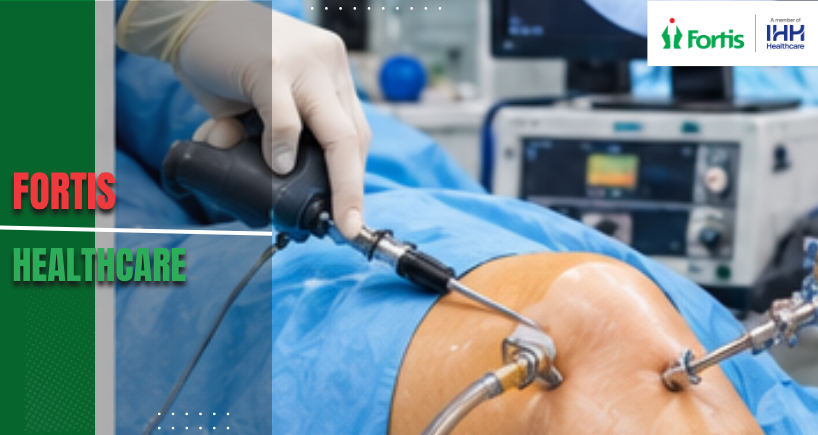


Arthroscopic Surgeon in India - How to Choose the Right Specialist for Joint Problems
Arthroscopic surgery has transformed how joint problems are treated, offering a minimally invasive alternative to traditional open surgery for many conditions affecting the knee, shoulder, hip, and other joints. But the success of this technique depends heavily on the skill and experience of the surgeon performing it, making the choice of specialist genuinely important.
This guide walks through what arthroscopic surgery involves and the key factors worth considering when choosing the right specialist for your specific joint concern.
Taking a thoughtful, informed approach to this choice can meaningfully influence both your surgical outcome and your overall recovery experience.
What Is Arthroscopic Surgery?
Arthroscopy is a minimally invasive surgical technique that uses a small camera, called an arthroscope, inserted through a tiny incision to visualize and treat problems inside a joint, without the need for the large incisions required in traditional open surgery.
This approach is commonly used to treat conditions like torn ligaments (such as ACL tears), meniscus damage, rotator cuff injuries, cartilage problems, and various other joint issues affecting the knee, shoulder, hip, ankle, and elbow.
Compared to open surgery, arthroscopic procedures typically result in less post-operative pain, smaller scars, reduced risk of infection, and faster overall recovery, making it an increasingly preferred approach when clinically appropriate.
Conditions Commonly Treated with Arthroscopy
Knee arthroscopy commonly addresses meniscus tears, ACL and other ligament injuries, and cartilage damage. Shoulder arthroscopy treats rotator cuff tears, shoulder instability, and impingement syndrome, while hip arthroscopy is increasingly used for labral tears and certain forms of hip impingement.
The specific technique and approach vary considerably based on the joint involved and the exact nature of the problem, which is part of why choosing a surgeon with specific experience in your particular condition matters.
Why Surgeon Choice Matters So Much
Arthroscopic surgery, despite being less invasive than open surgery, requires significant technical skill and specialized training to perform effectively. The surgeon's experience directly affects surgical precision, complication rates, and ultimately, how well your joint function is restored.
Because arthroscopic instruments and techniques continue to evolve, a surgeon's familiarity with current best practices and technology can also meaningfully influence outcomes, making ongoing training and experience genuinely relevant factors.
Key Factors to Consider When Choosing a Surgeon
Specific Experience with Your Condition
Ask about the surgeon's specific experience with your particular joint and condition, since expertise in knee arthroscopy doesn't necessarily translate directly to expertise in complex shoulder or hip procedures.
Surgeons who regularly perform a high volume of procedures for your specific condition tend to have more refined technique and experience managing less common complications.
It's entirely reasonable to ask directly about a surgeon's case volume and outcomes for your specific procedure during your consultation.
Hospital Infrastructure and Technology
A well-equipped facility with modern arthroscopic equipment and an experienced surgical support team contributes meaningfully to both surgical precision and overall safety.
Approach to Non-Surgical Options First
A good specialist will discuss whether non-surgical treatments, like physiotherapy or medication, might be appropriate before recommending surgery, rather than defaulting to surgical intervention without exploring conservative options first.
Post-Surgical Rehabilitation Support
Successful recovery depends heavily on structured post-operative physiotherapy; ask whether the surgeon works closely with rehabilitation specialists and what recovery support is typically provided.
Questions Worth Asking During Consultation
Consider asking:
- how many similar procedures the surgeon performs annually
- what specific technique they recommend for your condition and why
- what the expected recovery timeline looks like
- what potential complications or risks are relevant to your specific case
A surgeon willing to answer these questions thoroughly and in understandable terms is generally a positive sign of a patient-centered approach to care.
Understanding the Recovery Process
Recovery timelines vary significantly based on the specific joint and procedure, ranging from a few weeks for simpler procedures to several months for more complex ligament reconstructions. Your surgeon should provide clear expectations about this timeline specific to your situation.
Structured physiotherapy, following a specific protocol tailored to your procedure, plays a central role in achieving the best possible functional outcome after arthroscopic surgery.
Making a Confident, Informed Choice
Choosing the right arthroscopic surgeon involves looking beyond convenience or cost alone, focusing instead on specific expertise relevant to your condition, quality of supporting infrastructure, and a collaborative approach to your overall care. Taking time to research and, when helpful, seek a second opinion can lead to a more confident treatment decision and better long-term joint health.
Categories
Clear allMeet the doctor

- Orthopaedics | Orthopaedics and Joint Replacement
-
 15 Years
-
 900
900
Related Blogs
View all








FAQs

Keep track of your appointments, get updates & more!

