
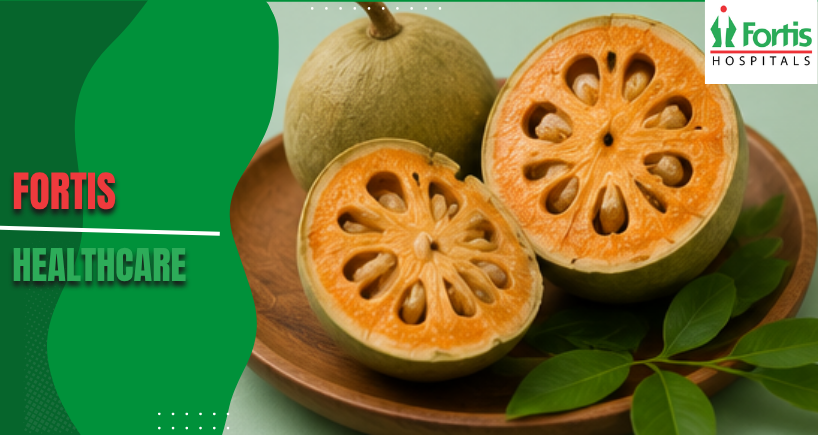


Bael Fruit Explained Nutritional Benefits Traditional Uses and Precautions
Walk past any temple or traditional Ayurvedic pharmacy in India and you are likely to encounter bael — a round, hard-shelled fruit with a fragrant golden-orange interior that has been revered in Indian culture for thousands of years. Known as Aegle marmelos in botany and "wood apple" in English, bael is considered sacred in Hinduism and is one of the most extensively used medicinal plants in Ayurvedic, Unani, and Siddha systems of medicine.
But beyond its spiritual significance, bael fruit holds genuine and well-documented nutritional and therapeutic value. As modern research begins to validate many of its traditional uses, bael is re-emerging as a functional food worthy of attention. Here is a comprehensive look at this remarkable fruit.
Nutritional Profile of Bael Fruit
Bael's nutritional composition varies depending on ripeness, but ripe fruit offers a rich mix of macronutrients and bioactive compounds.
- Carbohydrates: 18–32g per 100g (natural sugars and fiber)
- Protein: 1.8–2.5g per 100g
- Dietary Fiber: 2.9g per 100g — aids digestion
- Vitamin C: 8–60mg per 100g (varies with ripeness)
- Thiamine (B1), Riboflavin (B2), Niacin (B3) — B-vitamin complex
- Calcium: 85mg per 100g — supports bone health
- Beta-carotene — antioxidant precursor to vitamin A
- Bioactive compounds: Marmelosin, luvangetin, tannins, flavonoids
Traditional Uses of Bael in Ayurveda
In Ayurvedic texts, bael (Bilva) is classified as a tridoshic plant — capable of balancing all three doshas (Vata, Pitta, and Kapha) when used appropriately. This rare classification reflects bael's broad therapeutic versatility. Historically, it has been used for:
- Treating diarrhea, dysentery, and irritable bowel syndrome
- Cooling and soothing the digestive tract in summer
- Managing blood sugar in traditional diabetes care
- Treating respiratory infections and fevers
- Supporting liver and kidney function
- Applied externally for skin infections and wound healing
Bael sharbat — a drink made from the pulp of ripe bael mixed with water, jaggery, and spices — is one of the most popular summer beverages in many parts of India, valued for its cooling and digestive properties.
Evidence-Based Health Benefits of Bael
1. Powerful Digestive Aid
Bael's most celebrated and well-supported benefit is its role in digestive health. Unripe or half-ripe bael has been used for centuries to treat diarrhea and dysentery — and modern research supports this. Tannins in unripe bael reduce intestinal motility and have antibacterial properties against common gut pathogens. Ripe bael, on the other hand, acts as a gentle laxative and is used for constipation. This dual action — treating both loose motions and constipation depending on ripeness — is what makes bael uniquely valuable in digestive care.
2. Antidiabetic Properties
Animal studies and preliminary human research suggest that bael leaf and fruit extracts may help lower blood glucose levels. The compound marmelosin is believed to stimulate insulin secretion. Feronia gum (from the bael tree) and leaf extracts have also shown promising results in reducing fasting blood glucose. While it is not a replacement for diabetes medication, bael may serve as a complementary dietary strategy.
3. Antimicrobial and Antifungal Activity
Research has confirmed that bael extracts have significant antimicrobial activity against a range of bacteria and fungi, including E. coli, Salmonella typhi, and Candida species. This validates the traditional use of bael in treating gut infections and explains its historical role in managing typhoid and cholera during epidemic outbreaks.
4. Antioxidant and Anti-Inflammatory Effects
Bael contains a rich spectrum of flavonoids, phenols, and beta-carotene that neutralize free radicals and reduce oxidative stress. Marmelosin and other bioactive compounds have demonstrated anti-inflammatory activity in laboratory studies, suggesting potential benefits for chronic inflammatory conditions, though more human clinical trials are needed.
5. Liver Protective (Hepatoprotective) Properties
Several animal studies have demonstrated that bael leaf extract can protect liver cells from damage caused by toxins and oxidative stress. It appears to support healthy liver enzyme levels (ALT, AST) and reduce the extent of hepatic damage. Traditional practitioners have long recommended bael for liver disorders, and the emerging scientific evidence aligns with this use.
6. Cooling Properties and Heat Stress Relief
Bael is classified as a cooling fruit in Ayurveda, and this property is well-recognized across traditional medicine systems. Bael sharbat is consumed during India's summer months specifically to reduce body heat, prevent dehydration, and support electrolyte balance. The fruit's potassium content and hydrating pulp make it a practical, natural summer drink.
How to Use Bael
- Bael sharbat: Scoop out ripe pulp, mix with water, jaggery, and cardamom. Strain and drink chilled.
- Bael murabba: A sweet preserve of bael in sugar syrup — eaten in small amounts for digestive health.
- Dried bael powder: Available in Ayurvedic stores; mix with warm water for digestive and immunity support.
- Bael tea: Dried bael slices steeped in hot water — good for respiratory health and digestion.
- Fresh pulp: Eaten directly in small amounts, especially ripe fruit.
Precautions and Who Should Be Careful
Despite its benefits, bael is not suitable for everyone in all forms. Pregnant women should use bael cautiously — large amounts of unripe bael or bael root preparations may stimulate uterine activity. People with diabetes should monitor blood sugar carefully when consuming bael regularly, as its blood-sugar-lowering effect may interact with medications. Those with chronic constipation should favor ripe bael; those with diarrhea or IBS should use unripe or dried bael. Always consult an Ayurvedic practitioner or doctor before using bael therapeutically, especially in concentrated supplement or extract form.
Conclusion
Bael is one of India's most valuable and underutilized medicinal fruits. Its ability to address both diarrhea and constipation, its antidiabetic and antimicrobial properties, its liver-protective effects, and its profound cooling and hydrating qualities make it a truly versatile therapeutic food. Whether you drink bael sharbat in summer, take it as a digestive remedy, or explore it as a complementary wellness practice, this ancient fruit has earned its reputation — and its relevance today.
Categories
Clear allMeet the doctor

- Support Specialties | General Physician
- Internal Medicine | Internal Medicine
-
 15 Years
-
 1150
1150
Related Blogs
View all








FAQs
What is bael fruit good for?
Primarily digestive health — it treats both diarrhea (unripe) and constipation (ripe) naturally.
Can diabetics drink bael sharbat?
Yes in moderation — bael may lower blood sugar; avoid added sugar and monitor levels.

Keep track of your appointments, get updates & more!

