
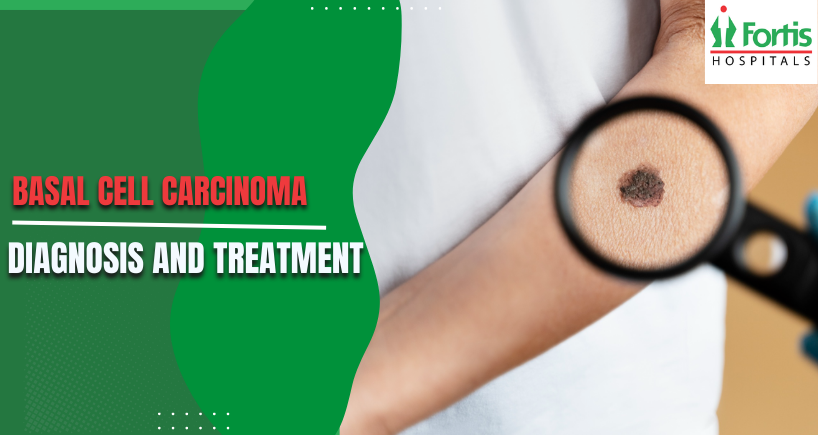


Basal Cell Carcinoma: Diagnosis and Treatment
Noticing a new spot on your skin, especially one that changes or refuses to heal, can be a source of deep anxiety. The mind can quickly jump to the word "cancer," a term that carries a heavy weight of fear and uncertainty. When a doctor confirms that the spot is a basal cell carcinoma, it is natural to feel overwhelmed. But this is a moment where knowledge becomes your most powerful ally. While it is the most common type of cancer in the world, it is also the most treatable.
The path from noticing a suspicious spot to being completely cured is, in most cases, a very straightforward and successful one. Understanding how this basal cell cancer is diagnosed and the different methods used to treat it can demystify the process. It transforms fear of the unknown into a clear, manageable plan, allowing you to partner with your doctor with confidence and peace of mind.
The Path to a Definitive Diagnosis
The journey to an effective treatment always begins with an accurate diagnosis. This is a careful, methodical process that starts with a trained eye and ends with a confirmation under a microscope. It is a process designed to be certain, leaving no room for doubt.
The First Step Is a Clinical Skin Examination
Your journey starts in a dermatologist's office. A doctor trained in skin diseases will perform a thorough visual examination of the suspicious spot. They will look at its size, shape, color, and texture. They will often use a special handheld magnifying device called a dermatoscope, which illuminates and magnifies the skin's surface. This tool allows them to see subtle features of the lesion that are not visible to the naked eye, helping them to distinguish between a benign growth and a potential skin cancer.
During this exam, the doctor will also perform a full-body skin check to look for any other suspicious spots you may not have noticed.
The Gold Standard Is a Skin Biopsy
While a dermatologist's experience is a critical guide, a visual exam alone cannot definitively diagnose basal cell cancer. The only way to be 100 percent certain is to examine the cells themselves. This is done with a skin biopsy.
A biopsy is a simple, quick, and minimally invasive procedure performed right in the doctor's office. The process is designed to be as comfortable as possible. First, the area is completely numbed with a small injection of a local anesthetic. Once the skin is numb, the doctor will remove a small sample of the tissue. This can be done in a few ways:
Shave Biopsy: The doctor uses a small, flexible blade to shave off the top layers of the growth.
Punch Biopsy: A small, circular tool, like a tiny cookie cutter, is used to remove a deeper, core sample of the tissue.
The tissue sample is then sent to a laboratory where a specially trained doctor called a pathologist examines it under a microscope. The pathologist can identify the cancerous basal cells and confirm the diagnosis.
Understanding the Basal Cell Carcinoma Treatment Options
Once the diagnosis of basal cell carcinoma is confirmed, the focus shifts to treatment. The goal of every basal cell carcinoma treatment is simple and direct: to remove or destroy all of the cancerous cells, ensuring the cancer is completely gone. Fortunately, there are several highly effective methods for achieving this, and the cure rates are exceptionally high.
The choice of treatment depends on several factors, including the tumor's size, location, and subtype, as well as your overall health.
Surgical Treatments Are the Most Common
For most cases of basal cell carcinoma, a surgical procedure is the treatment of choice.
Excisional Surgery: This is a very common technique. The dermatologist first numbs the area with a local anesthetic. Then, using a scalpel, they surgically remove the entire tumor along with a small margin of surrounding healthy-looking skin. This margin acts as a safety buffer to ensure all the cancer cells have been removed. The removed tissue is then sent to a lab to confirm that the margins are "clear."
Mohs Micrographic Surgery: Mohs surgery is considered the gold standard for treating basal cell cancer in cosmetically sensitive or functionally important areas like the face, ears, hands, or feet. It is also used for large, aggressive, or recurrent tumors. In this precise, layer-by-layer procedure, the surgeon removes a very thin layer of tissue containing the tumor and immediately examines it under a microscope while the patient waits. If cancer cells are seen at the edges, the surgeon knows the exact location of the remaining cancer and removes another thin layer from that specific spot. This process is repeated until no cancer cells remain. The major advantages of Mohs surgery are its extremely high cure rate and its ability to spare the maximum amount of healthy tissue.
Curettage and Electrodesiccation (C&E): This is a simple procedure often used for small, superficial, and low-risk tumors. After numbing the area, the doctor uses a spoon-shaped instrument called a curette to scrape out the cancerous tissue. Then, an electric needle is used to burn the base of the wound, destroying any remaining cancer cells and stopping the bleeding.
Non-Surgical Options for Specific Cases
In certain situations, non-surgical treatments may be recommended.
Radiation Therapy: This uses high-energy X-ray beams to destroy the cancer cells. It is a good option for patients who are not good candidates for surgery due to other health issues. It is also sometimes used for tumors in locations that are difficult to treat surgically.
Topical Treatments: For very early and superficial basal cell carcinomas (a subtype that is confined to the very top layer of the skin), certain prescription creams or gels can be an option. Medications like imiquimod, which stimulates the body's own immune system to attack the cancer, or 5-fluorouracil, a topical chemotherapy agent, can be applied to the skin for several weeks.
A Proactive Approach to Your Skin's Health
A diagnosis of basal cell carcinoma is a very manageable one, but it is also a significant warning sign. It is a clear message from your body that your skin has sustained enough sun damage to develop cancer. While the treated spot is cured, your risk for developing new skin cancers in the future is now significantly higher.
This is why the end of your basal cell carcinoma treatment is the beginning of a lifelong commitment to skin health. This includes diligent sun protection every single day and, most importantly, regular full-body skin examinations by your dermatologist. This proactive partnership is the key to catching any future problems at the earliest, most treatable stage.
Frequently Asked Questions
Q1. Is the treatment for basal cell carcinoma painful?
Ans. The procedures themselves are not painful because the area is completely numbed with a local anesthetic. You may feel the initial small pinch of the injection, but after that, you should only feel pressure, not pain. It is common to have some mild soreness in the area for a day or two after the procedure, which can be easily managed with over-the-counter pain relievers.
Q2. Will I have a scar after the treatment?
Ans. Any procedure that involves cutting or removing a layer of skin will result in a scar. However, dermatologists are experts in surgical techniques that minimize scarring. The final appearance of the scar will depend on the size and location of the cancer and your body's individual healing process. Most scars fade significantly over time.
Q3. What is the recovery time like after a basal cell cancer is removed?
Ans. For most minor surgical procedures, the recovery is very quick. The wound will be bandaged, and your doctor will give you instructions on how to care for it. You can typically resume your normal activities immediately, although you may be asked to avoid strenuous exercise for a week or two to protect the stitches.
Q4. What happens if I choose not to treat my basal cell carcinoma?
Ans. Because it grows so slowly, it can be tempting to ignore a basal cell carcinoma. This is a mistake. While it is highly unlikely to spread to other parts of your body, it is a cancer, and it will continue to grow. If left untreated, it can grow deep into the skin, destroying skin, tissue, and even cartilage and bone. An untreated cancer that would have been a simple removal can become a large, disfiguring tumor requiring extensive and complex surgery.
Categories
Clear allRelated Blogs
View all

Viral Ear Infection : Causes, Symptoms and Treatment Option


Hyperhidrosis: Types, Symptoms, Causes, and Treatment | Fortis Healthcare

COVID-19 related hair loss and hearing problems: How to deal with the after effects of cor...




Keep track of your appointments, get updates & more!

