


Bengaluru Floods and Your Health - Common Illnesses After Waterlogging
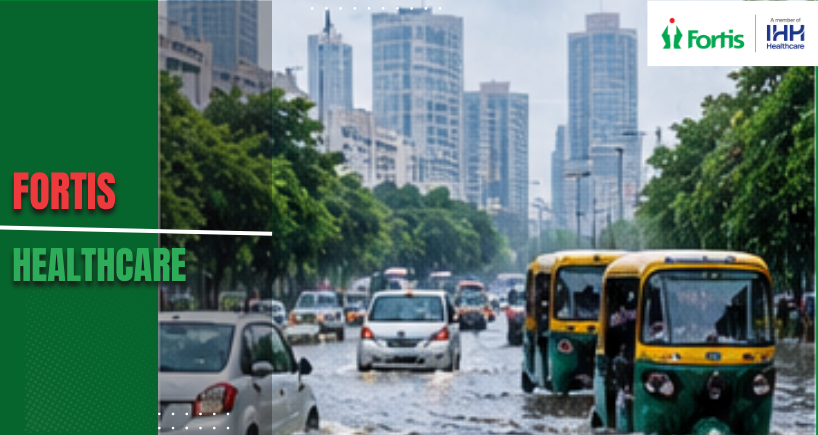
Bengaluru's rapid urbanization has made it increasingly vulnerable to flooding during monsoon season. Every year, waterlogging paralyzes the city, disrupting daily life and creating serious health hazards. Beyond traffic jams and property damage, the aftermath of Bengaluru floods brings a surge in health problems that residents must understand and prepare for.
This guide explores the common illnesses that emerge after waterlogging in Bengaluru, their causes, and how to protect your family's health when water recedes.
The Health Crisis After Bengaluru Floods: What Residents Face
When floodwater engulfs Bengaluru's streets, it carries more than just dirt and debris—it transports bacteria, viruses, and harmful chemicals that affect human health for weeks after the water recedes. The city's aging sewage systems, mixed with industrial runoff and household waste, create a toxic cocktail in floodwaters.
Post-flood illnesses in Bengaluru vary from minor infections to serious conditions requiring hospitalization. Understanding these health risks helps residents take preventive measures and seek timely medical attention.
Common Post-Flood Illnesses in Bengaluru
Skin Infections and Dermatological Issues
Prolonged contact with contaminated floodwater causes various skin infections.
- Fungal infections thrive in moist conditions, leading to conditions like athlete's foot, ringworm, and severe itching.
- Bacterial skin infections develop when floodwater enters cuts or abrasions.
- Bengaluru's humid climate exacerbates skin problems after flooding. Secondary bacterial infections from scratching fungal rashes can require antibiotic treatment.
Respiratory and Throat Infections
After Bengaluru floods, increased airborne mold spores cause respiratory issues.
- People develop cough, bronchitis, asthma exacerbation, and throat infections.
- Those with pre-existing respiratory conditions face heightened risk of severe complications.
- The moisture that lingers after waterlogging creates ideal conditions for mold growth in homes, offices, and public spaces throughout the city.
Gastroenteritis and Diarrheal Diseases
Contaminated water infiltrating food supplies causes acute gastroenteritis affecting thousands of Bengaluru residents post-flood.
- Bacteria like E. coli, Salmonella, and Vibrio cholerae cause severe diarrhea, vomiting, and abdominal pain.
- Food prepared with contaminated water or stored in flooded areas becomes hazardous. Many Bengaluru residents contract severe diarrhea within days of flood exposure through seemingly normal meals.
Typhoid and Paratyphoid Fever
Waterborne bacteria causing typhoid fever spread rapidly in post-flood Bengaluru.
- The disease causes sustained high fever, headache, body aches, and rose-colored rash.
- If untreated, complications affecting the nervous system and heart can occur.
- Bengaluru's drainage systems mixing with sewage create ideal conditions for typhoid transmission following floods.
Hepatitis A
Viral hepatitis A spreads through contaminated water. Post-flood Bengaluru experiences increased hepatitis A cases as sewage-contaminated floodwater affects water supplies.
Symptoms include:
- Jaundice
- Dark urine
- Abdominal pain
- Fatigue lasting weeks
Leptospirosis
Often overlooked, leptospirosis spreads through contact with contaminated water containing urine from infected rats and animals. Bengaluru's rodent population intensifies transmission risk after floods.
The disease causes:
- High fever
- Chills
- Muscle aches
And can progress to kidney failure without treatment.
Eye and Ear Infections
Contaminated floodwater causes conjunctivitis (pink eye) and ear infections in Bengaluru residents who wade through flood waters.
These infections cause:
- Redness
- Discharge
- Itching
- Hearing difficulties if left untreated
Understanding Why Bengaluru Floods Cause These Health Problems
Bengaluru's urban infrastructure contributes significantly to post-flood health issues.
- The city's mixed sewage systems overflow during heavy rains, contaminating water supplies with fecal matter and harmful pathogens.
- Inadequate drainage creates stagnant water where bacteria multiply rapidly.
- Industrial pollution adds chemical contaminants to floodwaters, causing toxic exposure.
- High population density facilitates rapid disease transmission once contamination occurs.
Understanding these factors helps residents appreciate why simple precautions become critical post-flood health protection measures.
Symptoms Requiring Immediate Medical Attention
Post-flood Bengaluru residents should seek medical care immediately for:
- Sustained fever lasting more than 3-4 days
- Severe diarrhea with blood in stool
- Persistent vomiting preventing fluid intake
- Yellowing of skin or eyes (jaundice)
- Difficulty breathing or chest pain
- Severe rashes spreading across the body
- Signs of dehydration (dark urine, dizziness, extreme thirst)
Early medical intervention prevents complications and reduces disease transmission within communities.
Prevention and Safety Strategies Post-Flood
Water Safety
- Boil all drinking water for at least one minute before consumption.
- Use reliable water purifiers with activated carbon and RO filtration.
- Avoid tap water entirely until municipal authorities declare it safe.
- Purchase bottled water from trusted vendors during the flood aftermath.
Food Safety
- Discard all food exposed to floodwater, including fruits, vegetables, and packaged items.
- Wash produce thoroughly with boiled or filtered water before eating.
- Cook food thoroughly, particularly seafood and meat, ensuring internal temperatures kill pathogens.
- Maintain clean kitchen surfaces and utensils using safe water and soap.
Personal Hygiene
- Minimize floodwater contact entirely; if exposure occurs, wash immediately with soap.
- Wear protective gear including gloves, boots, and clothing covering legs when in flooded areas.
- Wash hands frequently with soap and safe water, especially before eating.
- Maintain personal cleanliness using boiled water for bathing and hygiene purposes.
Home Sanitation
- Disinfect all surfaces that contacted floodwater using bleach solution (1:10 ratio).
- Clean water storage tanks thoroughly before refilling.
- Dispose of contaminated items properly to prevent environmental transmission.
- Improve ventilation to reduce mold growth and promote drying.
Post-Flood Health Monitoring for Bengaluru Families
Create a family health monitoring plan.
- Track symptoms in all family members daily, noting fever patterns and illness onset.
- Maintain health records including vaccination status and previous water-borne disease exposure.
- Identify healthcare providers offering post-flood health screening and treatment.
- Keep medications accessible, particularly for those with chronic conditions.
Vaccinations and Preventive Measures
- Consider typhoid vaccination if you haven't received it recently.
- Hepatitis A vaccination provides long-term protection.
- Consult healthcare providers about appropriate preventive vaccines post-flood.
The Bigger Picture: Long-Term Health Effects
Beyond immediate illnesses, post-flood exposure can cause:
- Psychological stress affecting mental health during recovery periods
- Waterborne disease carriers among asymptomatic individuals spreading illness silently
- Mold-related chronic respiratory issues developing months after flooding
- Malnutrition from limited food access during immediate post-flood periods
Protecting Your Family Through Preparation
Prepare before monsoon season arrives by:
- Stocking boiled water and bottled water
- Maintaining first-aid supplies
- Keeping medications refilled
- Knowing nearest healthcare facilities
- Educating family about contamination risks
Conclusion: Staying Healthy in Bengaluru's Aftermath
Bengaluru floods create temporary health crises that responsible residents can navigate successfully. The key lies in understanding post-flood health risks, implementing practical prevention strategies, and seeking medical care promptly when symptoms appear.
By treating contaminated water seriously, maintaining strict hygiene, and staying alert to symptoms, Bengaluru residents can minimize flood-related illnesses. Your health and family safety depend on consistent vigilance during the challenging post-flood period.
Categories
Clear allMeet the doctor

- Gastroenterology and Hepatobiliary Sciences | Gastroenterology | Gastroenterology and Hepatobiliary Sciences
-
 5 Years
-
 1250
1250
Related Blogs
View all
When Is A Liver Transplant Recommended?
Alcoholic Liver Disease - Why Worry?

Binge Drinking Trend Is The New Silent Killer


Irritable Bowel Syndrome

Digestive Disorders And Prevention


FAQs
How soon after flood exposure do water-borne disease symptoms appear?
Most symptoms appear within 24-72 hours; typhoid takes 6-30 days, making delayed-onset monitoring essential.
What's the difference between typhoid and gastroenteritis after floods?
Typhoid causes sustained fever with rose rash and gradual onset; gastroenteritis causes sudden diarrhea and vomiting.
How long should I boil water to eliminate all post-flood pathogens?
One minute of rolling boil at 100°C kills most bacteria; parasites require slightly longer boiling.
What's the typical treatment cost for water-borne diseases in Bengaluru hospitals?
Treatment ranges from ₹8,000-₹25,000 depending on disease severity, hospital type, and required interventions.

Keep track of your appointments, get updates & more!

