



Best Cardiac Surgeon in Amritsar - When Should You See a Heart Surgery Specialist?
Being told you may need heart surgery is unsettling. Yet many heart conditions are managed with medicines or non-surgical procedures first, and surgery is recommended only when it offers clear benefit. Knowing when to see a cardiac surgeon helps you act in time without unnecessary worry.
What Does a Cardiac Surgeon Do?
A cardiac surgeon operates on the heart and major blood vessels. They work with cardiologists to decide whether medicines, angioplasty, or surgery is the best choice for each patient.
Conditions That May Need a Cardiac Surgeon
Coronary Artery Disease
When several arteries are significantly blocked, bypass surgery (CABG) may offer better long-term results than other options, depending on your case.
Heart Valve Disease
Narrowed or leaking valves that cause symptoms or strain the heart may need repair or replacement.
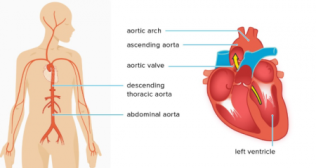
Aortic Aneurysm or Dissection
Weakening or tearing of the aorta can be life-threatening and may need urgent surgery.
Congenital Heart Defects
Some defects present from birth need surgical correction in childhood or adulthood.
Advanced Heart Failure
In selected patients, surgery, assist devices, or transplant evaluation may be considered.
Heart Rhythm Problems
Certain arrhythmias that do not respond to medicines or catheter procedures may be treated surgically.
Symptoms That Should Prompt Evaluation
- Chest pain or pressure, especially with exertion
- Breathlessness on mild activity
- Palpitations or fainting
- Swelling of the legs
- Unusual fatigue
- Sudden tearing chest or back pain, which is an emergency
Call emergency services for chest pain with sweating, breathlessness, or fainting.
How Suitability Is Assessed
- ECG, echocardiogram, and stress tests
- Coronary angiography or CT angiography
- Blood tests, kidney and lung function
- A heart team discussion between cardiologist and surgeon
Types of Heart Surgery
- Coronary artery bypass grafting
- Valve repair or replacement
- Aortic surgery
- Minimally invasive or keyhole approaches in selected patients
- Congenital defect repair
Preparing for Surgery
Follow your team's instructions on medicines, fasting, and tests. Quit smoking, control diabetes and blood pressure, and arrange family support for recovery.
Recovery
Most patients stay in intensive care briefly, then move to a ward. Cardiac rehabilitation, with supervised exercise, diet advice, and risk factor control, supports long-term recovery. Follow-up visits are important.
Choosing a Cardiac Surgeon
Look for registered qualifications in cardiothoracic surgery, experience with your procedure, a hospital with cardiac intensive care, and a team that explains risks and alternatives clearly.
Conclusion
See a cardiac surgeon when your cardiologist advises it, or when tests show blockages, valve problems, or aortic disease that may need surgery. A timely, informed decision with a heart team gives you the best chance of a safe outcome.
Categories
Clear allMeet the doctor

- Cardiac Sciences | Adult CTVS (Cardiothoracic and Vascular Surgery)
-
 24 Years
-
 700
Related Blogs
View all








FAQs

Keep track of your appointments, get updates & more!

