
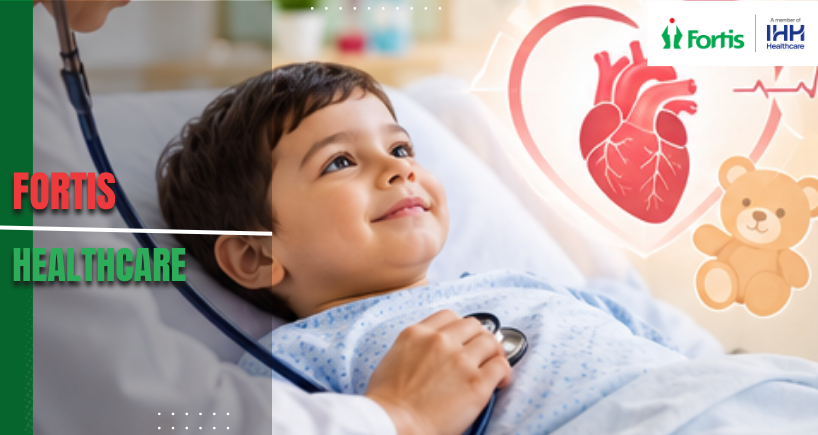


Best Heart Hospitals in India for Children- A Comprehensive Guide
Learning that a child has a congenital heart condition can be overwhelming for parents. Some heart conditions are mild and may only require regular monitoring, while others need medicines, catheter-based procedures or surgery.
When searching for the best heart hospitals in India for children, parents should look beyond general hospital reputation. Paediatric cardiac care requires specialised cardiologists, cardiac surgeons, anaesthesiologists, intensive care teams and diagnostic facilities designed for infants, children and adolescents.
Understanding what to look for in a paediatric cardiac centre can help families make informed decisions about their child's treatment.
Assessing Specialised Paediatric Cardiac Infrastructure
Children with heart conditions have different physiological and clinical needs from adults. Infants and young children may require specialised equipment, medication dosing and monitoring systems suited to their size and developmental stage.
A comprehensive paediatric cardiac centre may offer:
- Paediatric cardiology consultation
- Echocardiography and other cardiac imaging
- Cardiac catheterisation facilities
- Paediatric cardiac surgery
- Paediatric cardiac intensive care
- Neonatal and paediatric critical care
- Specialised paediatric anaesthesia
- Respiratory support
- Cardiac rehabilitation and follow-up
In complex cases, access to emergency and intensive care services can also be important.
Understanding the Role of Paediatric Cardiologists
A paediatric cardiologist specialises in diagnosing and managing heart conditions in babies, children and adolescents.
Congenital heart conditions may include defects such as:
- Atrial septal defect (ASD)
- Ventricular septal defect (VSD)
- Patent ductus arteriosus (PDA)
- Tetralogy of Fallot
- Coarctation of the aorta
- Transposition of the great arteries
- Other complex congenital heart conditions
Some children may also develop acquired heart problems, including rhythm disorders, inflammatory heart conditions or heart muscle diseases.
The treatment approach depends on the specific diagnosis, its severity and the child's age and overall health.
Why a Multidisciplinary Team Matters
Complex paediatric cardiac procedures often involve several specialists working together.
Depending on the child's condition, the team may include:
- Paediatric cardiologists
- Paediatric cardiac surgeons
- Cardiac anaesthesiologists
- Paediatric intensivists
- Cardiac nurses
- Respiratory therapists
- Nutrition specialists
- Physiotherapists
- Other paediatric specialists
This multidisciplinary approach is particularly important when a child has a complex congenital heart defect or requires surgery during infancy.
Parents may wish to ask about the team's experience with their child's specific condition rather than relying only on the number of procedures performed across the hospital as a whole.
Exploring Minimally Invasive and Catheter-Based Treatments
Not every child with a heart condition requires open-heart surgery.
Depending on the diagnosis, some children may be suitable for catheter-based procedures. These techniques involve passing specialised devices through blood vessels to reach the heart and may be used for selected conditions such as certain septal defects, abnormal blood-vessel connections or narrowed valves.
The choice between catheter-based treatment and surgery depends on factors such as the child's age, weight, anatomy and the specific heart defect.
Minimally invasive treatment can reduce the need for a large surgical incision in appropriate cases, but it is not suitable for every child.
Robotic or other advanced surgical technologies may also be used in selected paediatric cardiac procedures, but their suitability depends heavily on the child's anatomy, condition and the expertise available at the centre. They should not be presented as automatically safer or better than conventional surgery.
Preparing for Paediatric Heart Surgery
If surgery is required, the medical team performs a detailed preoperative assessment.
This may include:
- Echocardiography
- Electrocardiography
- Chest imaging when appropriate
- Blood tests
- Cardiac catheterisation or advanced imaging in selected cases
- Assessment of nutrition and general health
The paediatric anaesthesia team also evaluates the child before surgery and explains the anaesthetic plan to the parents.
Parents are usually given instructions about fasting, medicines and what to expect before and after the procedure.
Understanding the Early Recovery Period
After a major cardiac procedure, a child may initially be cared for in a paediatric cardiac intensive care unit.
The medical team monitors:
- Heart rate and rhythm
- Blood pressure
- Oxygen levels
- Breathing
- Fluid balance
- Kidney function
- Heart function
- Signs of infection or other complications
Some children require temporary mechanical ventilation after surgery, particularly following complex procedures. The duration varies depending on the operation and the child's recovery.
As the child becomes stable, breathing support and other intensive treatments can gradually be reduced.
Supporting Recovery After Hospital Discharge
Recovery continues after the child leaves the hospital.
Parents may receive instructions regarding medicines, wound care, activity restrictions, nutrition and follow-up appointments.
The recovery timeline depends on the procedure. Some children may return to many normal activities relatively quickly, while others need a longer period of recovery.
Physical activity should be restarted according to the child's medical condition and the recommendations of the paediatric cardiology or cardiac surgery team.
Exercise should not be used as a blanket strategy to prevent blood clots in every child. Activity recommendations after cardiac surgery should be individualised.
Long-Term Cardiac Monitoring
Some congenital heart conditions require lifelong or long-term follow-up, even after successful treatment.
Regular appointments may include physical examinations, electrocardiograms, echocardiograms or other tests depending on the condition.
Follow-up helps doctors assess:
- Heart function
- Heart rhythm
- Growth and development
- Surgical or catheter-based repair
- Valve function
- Residual or recurrent abnormalities
- Need for additional treatment
The frequency of follow-up depends on the child's diagnosis and treatment history.
Supporting Your Child's Growth and Development
Children recovering from major heart procedures may need additional support while they regain strength.
Nutrition can be particularly important for infants and children who experienced feeding difficulties or poor growth before treatment.
Depending on individual needs, the healthcare team may involve nutritionists, physiotherapists or other specialists.
Parents should also discuss school participation, sports and physical activities with the child's cardiologist. Many children can participate in regular activities after appropriate treatment, but restrictions may apply to certain heart conditions.
How to Compare Heart Hospitals for Children in India
Rather than relying solely on the phrase "best heart hospital," parents can compare paediatric cardiac centres using practical factors such as:
- Experience in treating the child's specific heart condition
- Availability of paediatric cardiologists and cardiac surgeons
- Paediatric cardiac intensive care facilities
- Neonatal cardiac care where required
- Diagnostic and imaging capabilities
- Cardiac catheterisation facilities
- Emergency services
- Multidisciplinary support
- Postoperative rehabilitation
- Long-term follow-up programmes
It is also reasonable to ask the treating team about the proposed procedure, expected recovery, possible complications and alternative treatment options.
Embracing a Healthy Future
A diagnosis of congenital heart disease does not automatically mean that a child will be unable to lead an active life. Outcomes vary significantly depending on the specific heart condition, its severity, the timing of treatment and the child's overall health.
With appropriate treatment and follow-up, many children are able to return to school, participate in age-appropriate activities and continue developing normally.
Parents can support recovery by following medication instructions, attending scheduled appointments, maintaining appropriate nutrition and discussing physical activity with the child's healthcare team.
Final Thoughts
Choosing a paediatric cardiac centre is an important decision for families dealing with a child's heart condition. The right facility should provide specialised paediatric cardiology, cardiac surgery when required, intensive care, advanced diagnostics and long-term follow-up.
Rather than focusing only on a hospital's general reputation, parents should consider whether the centre has experience managing their child's particular condition and provides the full range of care that may be required.
A detailed discussion with a qualified paediatric cardiologist can help families understand the diagnosis, available treatment options, expected recovery and long-term follow-up needs.
Categories
Clear allRelated Blogs
View all






FAQs

Keep track of your appointments, get updates & more!

