
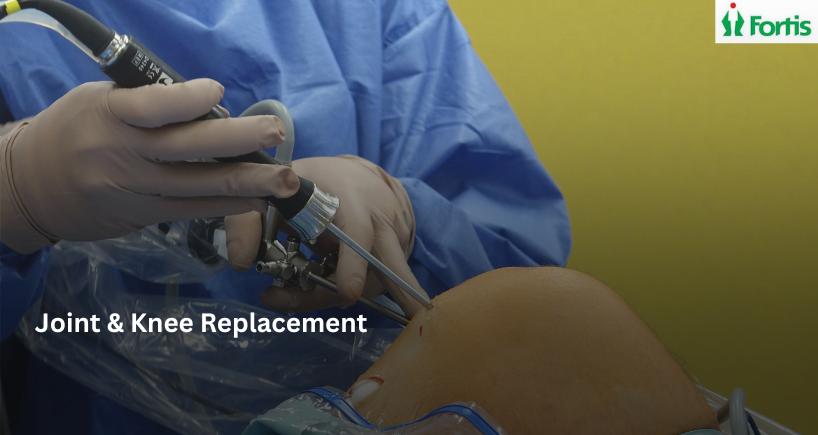


Joint and Knee Replacement Surgeon in Navi Mumbai
Joint Replacement Surgeon in Navi Mumbai for Knee and Hip Surgery Options
Modern Knee & Hip Replacement Surgery Explained
Chronic knee and hip pain can significantly impact mobility, independence, and overall quality of life. As joint damage progresses, everyday activities such as walking, climbing stairs, getting out of a chair, or participating in recreational activities can become increasingly difficult.
Fortunately, advances in orthopedic surgery have transformed the treatment of severe arthritis and joint degeneration. Today, joint replacement procedures are more precise, less invasive, and designed to help patients return to an active lifestyle sooner than ever before.
As a Joint Replacement Surgeon, one of the most common questions I receive is:
"When should I consider joint replacement surgery?"
The answer depends on several factors, including the severity of symptoms, their impact on daily life, and the effectiveness of non-surgical treatments.
What Is Joint Replacement Surgery?
Joint replacement surgery involves removing damaged portions of a joint and replacing them with specially designed artificial components called implants.
The primary goals of joint replacement surgery are:
- Relieve chronic pain
- Restore joint function
- Improve mobility
- Correct deformity
- Enhance overall quality of life
The most commonly replaced joints are the knee and hip, both of which are frequently affected by arthritis and age-related wear and tear.
When Do You Need a Joint Replacement?
Patients may be candidates for joint replacement surgery if they experience:
- Persistent pain despite medications and physiotherapy
- Difficulty walking or climbing stairs
- Severe stiffness affecting daily activities
- Sleep disturbances caused by pain
- Reduced independence
- Imaging evidence of advanced osteoarthritis
- Progressive joint deformity
Before recommending surgery, a comprehensive evaluation is performed to determine whether conservative treatment options have been exhausted and whether the patient is likely to benefit from joint replacement.
Knee Replacement Surgery
What Is Knee Replacement Surgery?
Knee replacement surgery is performed when the cartilage that cushions the knee joint wears away, leading to pain, stiffness, and reduced mobility.
During the procedure, damaged joint surfaces are replaced with artificial components designed to restore smooth movement and improve function.
Benefits of Knee Replacement Surgery
Patients commonly experience:
- Significant pain relief
- Improved walking ability
- Enhanced joint stability
- Greater independence
- Better quality of life
Modern rehabilitation protocols encourage early movement after surgery, helping patients recover faster and regain confidence in their mobility.
Hip Replacement Surgery
What Is Hip Replacement Surgery?
Hip replacement surgery involves replacing the damaged ball-and-socket joint of the hip with artificial implants.
It is commonly recommended for patients with:
- Advanced hip arthritis
- Degenerative hip joint disease
- Certain hip fractures
- Conditions causing severe hip pain and stiffness
Benefits of Hip Replacement Surgery
Hip replacement can provide:
- Long-term pain relief
- Improved range of motion
- Better balance and mobility
- Enhanced ability to perform daily activities
- Improved overall quality of life
Following recovery, many patients report a dramatic improvement in comfort, movement, and independence.
The Role of Robotic Joint Replacement
One of the most significant advancements in orthopedic surgery is robotic-assisted joint replacement.
A common misconception is that the robot performs the surgery independently. In reality, the surgeon remains fully in control throughout the procedure. The robotic platform serves as an advanced tool that enhances planning and precision.
How Robotic Technology Helps?
Robotic-assisted surgery enables:
- Detailed preoperative planning
- Personalized surgical execution
- More accurate implant positioning
- Improved alignment
- Better soft tissue balancing
- Greater surgical precision
Robotic technology combines surgical expertise with advanced imaging and planning tools to achieve highly accurate results tailored to each patient's anatomy.
Why Implant Positioning Matters?
The long-term success of a joint replacement depends on several factors, with implant positioning being one of the most important.
Proper alignment helps achieve:
- Improved joint function
- Better movement mechanics
- Longer implant longevity
- Reduced wear over time
- Higher patient satisfaction
Even minor alignment errors can affect the performance and durability of the replacement joint, making precision critical.
Minimally Invasive Joint Replacement Techniques
Advances in surgical techniques now allow many joint replacement procedures to be performed using smaller, tissue-preserving approaches.
Potential Benefits Include:
- Less soft tissue damage
- Reduced postoperative discomfort
- Faster rehabilitation
- Earlier mobilization
- Shorter hospital stay
- Better cosmetic outcomes
However, the suitability of minimally invasive techniques depends on the patient's anatomy, joint condition, and overall health.
Patient Selection: Who Is the Right Candidate?
Successful joint replacement begins with selecting the right patient.
Factors Evaluated Include:
Severity of Joint Damage
Advanced arthritis and significant cartilage loss are common indications for surgery.
Impact on Daily Life
Patients who struggle with walking, climbing stairs, or performing routine activities may benefit from surgical intervention.
Failure of Conservative Treatments
Joint replacement is generally considered when medications, physiotherapy, lifestyle modifications, and other treatments no longer provide adequate relief.
Overall Health Status
- A thorough medical assessment ensures patients are fit for surgery and recovery.
- Every treatment plan should be personalized according to the patient's needs, goals, and expectations.
- Recovery After Joint Replacement Surgery
- Recovery varies among individuals, but modern protocols emphasize early mobilization and structured rehabilitation.
Key Components of Recovery Include:
- Early walking and movement
- Guided physiotherapy
- Strengthening exercises
- Pain management strategies
- Regular follow-up assessments
Most patients experience gradual improvements in comfort, strength, and mobility over the weeks and months following surgery.
Long-Term Mobility and Quality of Life
The goal of knee and hip replacement surgery extends beyond pain relief.
The ultimate objective is to restore independence and help patients return to activities they enjoy.
Following successful surgery and rehabilitation, many patients can:
- Walk longer distances comfortably
- Climb stairs more easily
- Participate in recreational activities
- Travel with greater confidence
- Maintain an active lifestyle
Modern joint replacement surgery, combined with appropriate rehabilitation and follow-up care, can provide long-lasting improvements in function and quality of life.
Why Choose Fortis Hiranandani Hospital, Vashi for Joint Replacement Surgery?
If you are looking for a Joint Replacement Surgeon in Navi Mumbai, choosing a center that combines surgical expertise, advanced technology, and comprehensive rehabilitation support is essential.
At Fortis Hiranandani Hospital, Vashi, we offer:
- State-of-the-art robotic-assisted joint replacement technology
- Comprehensive knee and hip replacement services
- Personalized treatment planning
- Evidence-based surgical protocols
- Specialized physiotherapy and rehabilitation programs
- Multidisciplinary patient-centered care
Our commitment is to provide advanced orthopedic care that helps patients achieve lasting pain relief, improved mobility, and a better quality of life.
Conclusion
Knee replacement, hip replacement, minimally invasive techniques, and robotic-assisted surgery have revolutionized the treatment of severe joint pain and arthritis.
With proper patient selection, precise implant positioning, advanced surgical techniques, and comprehensive rehabilitation, modern joint replacement surgery can help patients regain mobility, independence, and confidence.
If chronic knee or hip pain is affecting your daily routine, consulting a joint replacement specialist can help you explore the most appropriate treatment options and determine whether surgery may be beneficial for you.
Categories
Clear allMeet the doctor

- Orthopaedics | Robotic and Computer navigated Joint reconstruction | Orthopaedics and Joint Replacement | Orthopaedics and Spine Surgery
-
 15 Years
-
 1200
1200
Related Blogs
View all








FAQs
How do I know if I need knee or hip replacement surgery?
If pain, stiffness, and reduced mobility continue despite medications, physiotherapy, and lifestyle modifications, an orthopedic evaluation can help determine whether joint replacement is appropriate.
What is robotic-assisted joint replacement?
Robotic-assisted joint replacement uses advanced technology to assist the surgeon with planning and implant positioning. The surgeon remains fully in control throughout the procedure.
Is robotic joint replacement better than traditional surgery?
Robotic assistance may improve surgical accuracy, alignment, and implant positioning, potentially leading to improved outcomes in selected patients.
How long do knee and hip replacements last?
Modern implants are designed for long-term durability. Longevity depends on factors such as patient activity level, body weight, overall health, and implant type.
How soon can I walk after surgery?
Many patients begin walking with assistance shortly after surgery as part of an accelerated recovery program.

Keep track of your appointments, get updates & more!

