
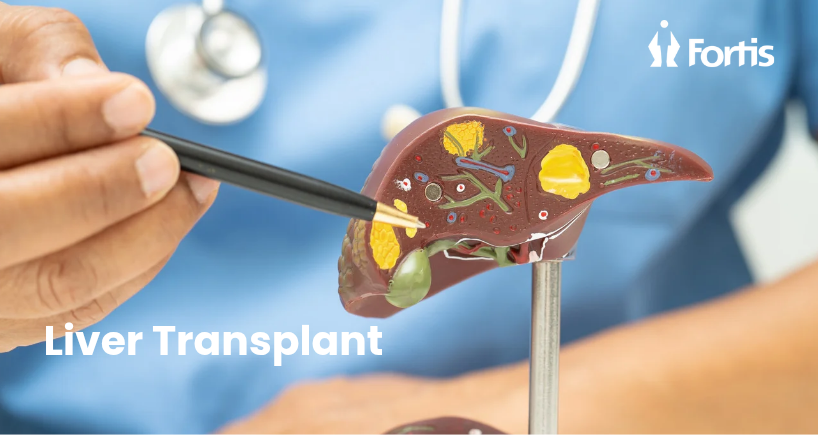


Liver Transplant in Mumbai
Liver Transplant in Mumbai
Who is Eligible for a Liver Transplant?
A liver transplant is a life-saving surgical procedure that involves replacing a diseased liver with a healthy one, often from a deceased donor. Sometimes, the new liver can come from a living donor who will donate a portion of their liver to someone requiring a transplant. Amazingly, the human liver has the unique ability to regenerate, allowing both the donor and recipient’s livers to grow back to full size within a few months of surgery. The Liver Transplant Programe at Fortis Hospital, Mulund, is one of the established programmes in the country, delivering excellent outcomes. We have some of the established hepatologists and transplant surgeons in the country treating patients with the complex liver conditions.
Your liver performs many critical functions, including removing toxins from the blood and processing nutrients. When your liver is severely damaged, you will need to replace it with a healthy one to stay alive. Unfortunately, not all patients with liver failure or liver cancer can have a liver transplant. Read on to learn why a liver transplant is done, who can have it and more.
What is a Liver Transplant?
A liver transplant, also called a hepatic transplant, is a complex surgery to replace a failing liver with a healthy one from either a deceased or living donor. A liver transplant is recommended if you have end-stage liver disease or, in rare cases, acute liver failure.
Main types of liver transplant
- Deceased donor transplant – the surgeon removes your diseased or failing liver and replaces it with the deceased donor’s liver.
Living donor transplant – the surgeon removes a portion of healthy liver from a living donor, usually from a family member or a friend, and places it in your body, replacing your diseased liver.
Why Do You Need a Liver Transplant?
You may need a liver transplant if your liver no longer functions correctly to keep you alive due to an injury or disease. Common reasons and conditions to a liver transplant include:
- Chronic liver failure, most often caused by cirrhosis (scarring of the liver) – hepatitis and long-term alcohol abuse are the most common causes of cirrhosis.
- Acute liver failure (when the liver suddenly stops functioning)
- Fatty liver disease (nonalcoholic steatohepatitis)
- Primary liver cancer
- Some genetic conditions, including Wilson’s disease
Who is a Candidate for a Liver Transplant?
As stated above, you may be a candidate for a liver transplantation if your liver is failing or if you have liver cancer. Besides, you need to meet certain criteria that qualify you for a liver transplant. At Fortis Hospital, Mulund, our multidisciplinary team of experts will evaluate you to determine whether you meet the eligibility requirements.
For instance, you may be a candidate for a liver transplant if:
- You are fit enough to undergo the surgery and likely to recover.
- The procedure could improve your quality of life.
- All other medical and surgical treatments have failed to treat your condition.
- You do not have other health conditions that can’t be treated.
- You are willing and able to make lifestyle changes or take medications as directed by your transplant team.
Other factors, such as your mental and emotional health, as well as your support system, will also be taken into consideration.
The transplant evaluation process involves a series of tests and procedures, including:
- Blood and urine tests
- Imaging tests, such as X-rays, CT scans, and ultrasounds
- Liver biopsy
- Echocardiogram
- Lung test
- Psychological evaluation
- General health exam
Once you’ve completed all these tests and are deemed fit, your transplant team will discuss with you and your family about the best treatment plan, including how urgently you need to undergo the surgery and your place on the waiting list. You won’t have to wait for a deceased donor liver to become available, if you’re qualified to receive from a living donor.
When You Can’t Have a Liver Transplant
You may not be eligible for a liver transplant if you have a condition that may affect the chances of success or make the procedure too risky. These include:
- Infections that can’t be managed with medications or cured with a transplant
- Dementia
- Severe heart and lung diseases
- Liver cancer that has spread outside the liver
- Irreversible brain damage or disease
- AIDS
- Unmanaged psychosis
- Alcohol or drug abuse problems
If you are not suitable for the transplant, your doctor may advise other treatment options instead to manage your liver disease.
A liver transplant is a major, life-saving surgery, providing patients with a second chance at life. However, the chances of a successful transplant and survival rates vary for everyone, depending on each patient’s unique situation.
Categories
Clear allMeet the doctor

- Liver Transplant and Hepatobiliary Sciences | Liver Transplant and Hepatobiliary Sciences
-
 15 Years
-
 1800
1800
 Available at 1 different locations

Related Blogs
View all
Types of liver transplantation by Dr. Kishore GSB

Autoimmune Hepatitis a non-infectious condition: Know its Symptoms, Causes and Treatment

Hepatitis C: Symptoms, Transmission And Treatment Options

हेल्दी’ पैकेज्ड फूड में छिपा सोडियम बम: सेहत पर असर और बचाव के स्मार्ट टिप्स

Why Many Patients with Liver Cancer Are Told They Are Inoperable? And Why That Is Not Alwa...

Why Are Some Liver Cancer Patients Told They Are Inoperable?

Where to Go After an Inoperable Diagnosis? Choosing the Right Liver Cancer Specialist or C...

What Does Inoperable Liver Cancer Really Mean?


FAQs
What are the common symptoms of liver failure?
Common symptoms include jaundice, fatigue, swelling in the abdomen, confusion, nausea, and unexplained weight loss.
Who may need a liver transplant?
Patients with liver cirrhosis, liver failure, liver cancer, hepatitis, or severe fatty liver disease may require a liver transplant.
Can a living person donate part of their liver?
Yes, a healthy living donor can donate a portion of the liver because the liver has the ability to regenerate after surgery.
Can liver transplant patients live a normal life after surgery?
Yes, many liver transplant patients can return to normal daily activities with proper medications, regular follow-ups, and healthy lifestyle changes.
What conditions can make a patient ineligible for a liver transplant?
Severe heart or lung disease, uncontrolled infections, active substance abuse, and advanced cancer spread may prevent liver transplantation.

Keep track of your appointments, get updates & more!

