
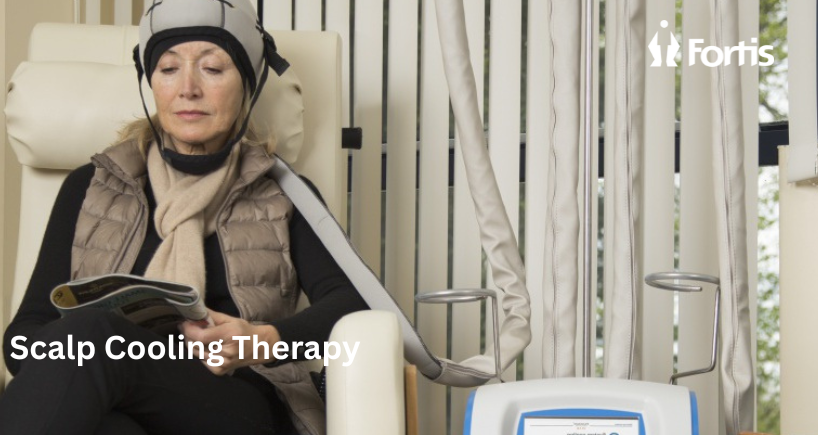


Scalp Cooling Therapy in Mumbai
Scalp Cooling Therapy in Mumbai
Scalp Cooling Therapy in Chemotherapy: How Does It Prevent Hair Loss and Who Can Use It?
Hair loss is a common and distressing side effect of cancer treatment, such as chemotherapy. Chemo drugs not only attack fast-growing cancer cells, but also healthy cells, including cells that promote hair growth. This can cause hair loss on the scalp and other areas of your body, which can be traumatic for patients. At Fortis Hospital, Mulund, we offer scalp cooling therapy to help patients receiving chemotherapy keep most of their hair, maintain self-esteem, and alleviate stress and anxiety throughout their treatment. Scalp cooling therapy can help reduce hair loss caused by chemotherapy, or chemotherapy-induced alopecia (CIA).
Read on to learn more about scalp cooling therapy, how it works, which patients may benefit from this treatment, and more.
What is Scalp Cooling Therapy?
Scalp cooling therapy, or scalp cooling treatment, is a simple technique that involves wearing a cold cap or cooling device on your head to decrease the temperature of your scalp while receiving chemotherapy to treat solid tumors. Patients are usually made to wear either a cap connected to a cooling system or a frozen cooling cap for 30 minutes before chemotherapy, throughout the chemo session, and for about 90-120 minutes after the treatment. The treatment helps prevent chemotherapy-related hair loss in some patients.
How Does Scalp Cooling Therapy Work?
Scalp cooling therapy works by cooling the scalp temperature, causing blood vessels to constrict and reducing blood flow to hair follicles. This limits the amount of chemotherapy drugs that reach your hair follicles, thereby minimizing hair loss in some patients.
How Effective is Scalp Cooling Therapy?
Scalp cooling therapy can be an effective intervention for chemotherapy hair loss, although how well the therapy works for each patient varies, depending on several factors, including the type and dose of chemotherapy, hair thickness, your age and overall health.
For instance, a study published in the journal JAMA suggested that women who used cooling caps while undergoing chemotherapy for breast cancer had less than 50% hair loss compared with those who did not use scalp cooling therapy. However, some research indicated that scalp cooling therapy may not work as well for individuals with thicker hair, which shields the scalp and disrupts the cap’s ability to lower the temperature of the scalp.
Is Scalp Cooling Therapy Right for Everyone Undergoing Chemotherapy?
No, scalp cooling therapy is not recommended for everyone. At Fortis Hospital, Mulund, your oncologist or care team will work with you to determine if scalp cooling is right for you, based on multiple factors, including your age, cancer type, and chemotherapy dose.
Scalp cooling is not recommended for patients below 18 years of age and patients with hematologic tumors, CNS malignancies, scalp metastases, head and neck cancers, and some skin cancers. It is also not indicated for patients with cold sensitivity, cold agglutinin disease, or other conditions associated with cold temperatures.
Are There Any Side Effects of Scalp Cooling Therapy?
Yes, but side effects of scalp cooling are generally tolerable and temporary, Common side effects include:
- Scalp irritation or pain
- Headaches
- Nausea
- Chills
- Neck and shoulder discomfort
Does Scalp Cooling Therapy Increase the Risk of Cancer Spreading to the Scalp?
No studies have shown that scalp cooling increases the risk of scalp metastases. With or without scalp cooling therapy, the risk is low.
Categories
Clear allMeet the doctor

- Oncology | Medical Oncology
-
 18 Years
-
 2000
2000
Related Blogs
View all









FAQs
What is scalp cooling therapy?
Scalp cooling therapy is a treatment used during chemotherapy to help reduce hair loss by cooling the scalp and protecting hair follicles.
How does scalp cooling therapy prevent hair loss?
Scalp cooling narrows blood vessels in the scalp, reducing the amount of chemotherapy drugs reaching the hair follicles.
Is scalp cooling therapy effective for all cancer patients?
No, the effectiveness of scalp cooling varies depending on the chemotherapy type, dosage, and individual patient factors.
Are there any side effects of scalp cooling therapy?
Common side effects may include headaches, chills, scalp discomfort, nausea, and temporary neck or shoulder pain.
Can scalp cooling therapy improve emotional wellbeing during cancer treatment?
Yes, preserving hair during chemotherapy can help improve confidence, emotional wellbeing, and quality of life for many patients.

Keep track of your appointments, get updates & more!

