
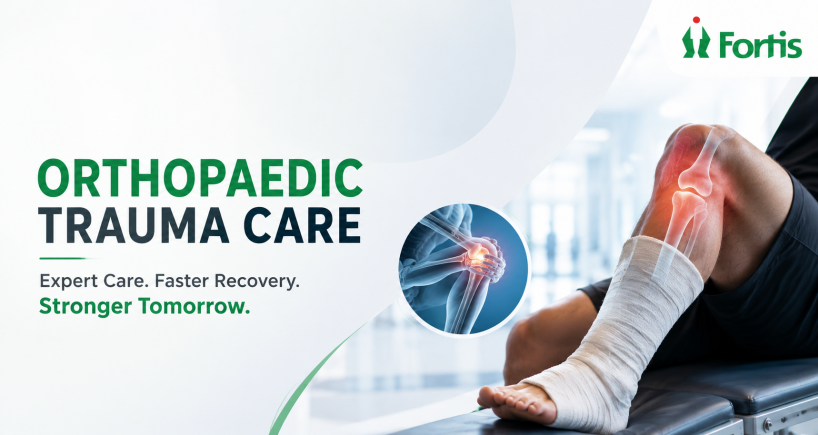


Best trauma emergency and doctor for Navi Mumbai
When Should You See an Orthopaedic Trauma Doctor? Warning Signs You Should Never Ignore while Trauma Emergency
If you have a serious injury, for example after a road traffic accident, a fall from a height, or a severe sports injury with severe pain or deformity, suspected fractures or dislocations, deep wounds or any injury associated with numbness, weakness or difficulty in moving a limb, heavy bleeding or signs of head, chest or abdominal injury, you should see a trauma doctor promptly. If symptoms are severe or worsening, or if there is any concern for a life-threatening injury, seek emergency medical care immediately and do not wait for an office appointment.
What Does an Orthopaedic Trauma Doctor Treat?
An orthopaedic trauma doctor is a specialist in injuries to the musculoskeletal system. This includes broken bones, dislocations, complex joint injuries and some severe soft tissue injuries involving muscles, tendons and ligaments. They also deal with complications of these injuries such as poor fracture healing, infections and post-traumatic deformities.
Trauma Red Flags That Need Immediate Medical Attention
Trauma “red flags” are warning signs that require immediate medical evaluation. They are loss of consciousness or increasing confusion; severe headache or repeated vomiting after head injury; weakness, numbness or loss of bowel/bladder control; difficulty breathing or chest pain; severe abdominal pain or a rigid abdominal area; uncontrolled bleeding; obvious deformity or inability to bear weight; rapidly increasing swelling; signs of poor circulation (cold, pale or blue extremities); and fever, redness or drainage from a wound. Any major mechanism of injury (e.g., major road-traffic collision or fall from height) warrants prompt assessment even if the initial symptoms are mild.
Why Early Trauma Care Matters
The goal of urgent trauma care is to quickly identify and manage life-threatening problems. Priorities are airway maintenance (with cervical spine protection when indicated), adequate breathing and oxygenation, bleeding control and circulatory support, rapid neurologic assessment, and adequate exposure of the patient to look for injuries while preventing hypothermia. When serious injury is suspected, rapid transport to an appropriate emergency department or trauma center is essential.
One of the on-site emergency care is to immediately immobilize the suspected fracture with a wooden plank or any hard material.
Categories
Clear allMeet the doctor

- Orthopaedics | Orthopaedics | Orthopaedics and Joint Replacement
-
 11 Years
-
 1200
1200
Related Blogs
View all



FAQs

Keep track of your appointments, get updates & more!

