
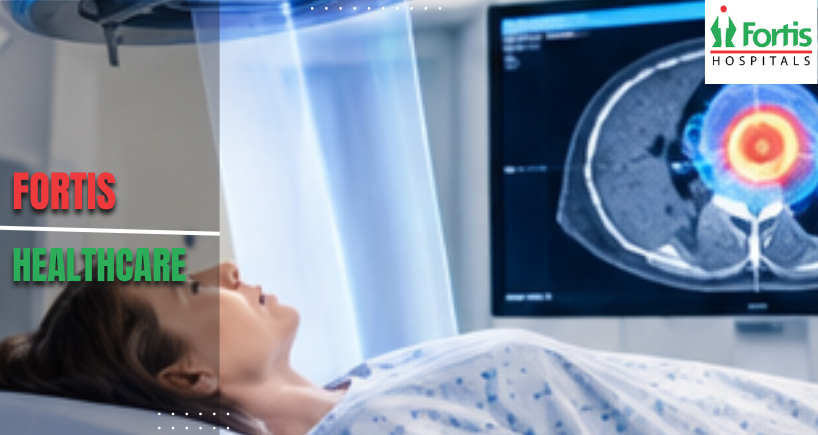


Beyond the Basics A Guide to Modern Medical Oncology Treatments
A cancer diagnosis can bring a flood of medical terms, treatment decisions and uncertainty for patients and their families. Understanding how modern cancer treatment works can make these decisions easier to navigate and help patients have more informed conversations with their healthcare team.
Medical oncology has evolved considerably beyond traditional chemotherapy. Depending on the type and stage of cancer, treatment may now include chemotherapy, targeted therapy, immunotherapy, hormone therapy and other specialised medicines. These treatments may be used alone or combined with surgery and radiation therapy.
The most appropriate approach depends on the cancer's type, stage, molecular characteristics, overall health and previous treatments.
Understanding the Role of Medical Oncology
Medical oncology is the branch of cancer care that focuses primarily on treating cancer with medicines. Medical oncologists diagnose and manage systemic cancer treatment and monitor patients throughout their treatment journey.
Their role may include:
- Assessing the type and stage of cancer
- Recommending appropriate systemic treatments
- Reviewing pathology and molecular test results
- Managing treatment-related side effects
- Monitoring how the cancer responds to treatment
- Coordinating care with surgeons and radiation oncologists
- Planning follow-up and long-term cancer care
Cancer treatment is rarely the responsibility of a single specialist. Many patients receive care through a multidisciplinary team, where medical oncologists work alongside surgical oncologists, radiation oncologists, pathologists, radiologists, specialist nurses and other healthcare professionals.
How Chemotherapy Has Evolved
Chemotherapy remains an important treatment for many cancers. These medicines work in different ways, but many interfere with the growth and division of cancer cells.
Because some healthy cells also divide rapidly, chemotherapy can affect normal tissues. This can lead to side effects such as:
- Hair loss
- Nausea and vomiting
- Fatigue
- Mouth sores
- Changes in blood-cell counts
- Increased risk of infection
- Changes in appetite or taste
Not everyone experiences the same side effects, and the severity can vary depending on the medicines used.
Cancer care has also improved significantly in its ability to prevent and manage treatment-related side effects. Anti-nausea medicines, infection-management strategies, nutritional support and other supportive treatments can help patients tolerate therapy more comfortably.
Your medical oncologist may adjust treatment schedules or supportive medicines depending on how your body responds.
Understanding Targeted Cancer Therapies
One of the major developments in modern oncology has been the growth of targeted therapy.
Unlike conventional chemotherapy, which often affects rapidly dividing cells more broadly, targeted medicines are designed to interfere with specific molecules or biological pathways that help cancer cells grow, divide or survive.
Examples include therapies directed against particular:
- Genetic alterations
- Receptors
- Proteins
- Signalling pathways
- Enzymes
However, targeted therapy does not automatically mean that healthy cells are unaffected. These medicines can also cause side effects, and their effectiveness depends on whether the patient's cancer has the specific biological target for which the treatment was developed.
Why Molecular Testing Matters
Before certain targeted therapies are recommended, doctors may perform molecular or biomarker testing on a tumour sample.
Pathologists and molecular specialists can analyse tumour tissue for specific genetic changes or proteins that may influence treatment decisions.
This information can help determine whether a particular targeted medicine is likely to be useful.
For some cancers, molecular testing has become an important part of personalised treatment planning.
Immunotherapy: Helping the Immune System Recognise Cancer
Another important development in oncology is immunotherapy.
Cancer cells can sometimes avoid or suppress the body's immune response. Immunotherapy uses medicines that help the immune system recognise and respond to cancer more effectively.
Immune checkpoint inhibitors are one example. They work by blocking certain signals that prevent immune cells from attacking cancer cells.
Immunotherapy has become an important treatment option for several cancers, although it is not appropriate for every patient or every tumour.
Because immune activation can also affect healthy organs, treatment may cause immune-related side effects involving areas such as the skin, bowel, liver, lungs or endocrine glands. Patients receiving immunotherapy should report new or unusual symptoms to their oncology team promptly.
Exploring Hormone Therapy
Some cancers depend on hormones or hormonal signals to grow. Hormone therapy, also called endocrine therapy, is used to interfere with these signals.
It is particularly important in certain hormone-sensitive breast and prostate cancers.
Depending on the cancer, treatment may:
- Reduce the production of certain hormones
- Block hormones from binding to cancer cells
- Interfere with hormonal signalling
Hormone therapy may be given as tablets, injections or other medicines, depending on the specific treatment.
Unlike chemotherapy, hormone therapy is not suitable for all cancers. Doctors first determine whether the tumour is hormone-sensitive and whether endocrine treatment is likely to provide a benefit.
Patients may experience side effects such as hot flashes, changes in sexual function, fatigue or changes in bone health, depending on the medicine used.
How Treatment Is Personalised
Modern oncology increasingly focuses on selecting treatment according to the individual patient and their cancer rather than using exactly the same approach for everyone.
Doctors consider several factors, including:
- Cancer type
- Stage and extent of disease
- Tumour biology
- Molecular or genetic characteristics
- Previous treatments
- Age and overall health
- Other medical conditions
- Treatment goals and patient preferences
In some situations, systemic treatment is given before surgery to shrink a tumour or make surgery more effective. In others, medicines are given after surgery to reduce the risk of recurrence.
For advanced or metastatic cancer, treatment may focus on controlling the disease, extending survival and maintaining quality of life. In certain cancers, long-term control is possible with appropriate treatment, but outcomes vary considerably.
The Importance of Supportive Cancer Care
Cancer treatment involves more than treating the tumour itself. Managing symptoms, nutrition, emotional wellbeing and treatment side effects is also an important part of comprehensive cancer care.
Adequate nutrition can help patients maintain strength during treatment. However, there is no universal cancer diet, and nutritional requirements vary from person to person.
A dietitian may recommend dietary changes based on the patient's treatment, symptoms, nutritional status and other medical conditions.
Hydration is also important, but simply drinking excessive amounts of water does not "flush out" cancer cells or treatment-related toxins. Some treatments may require specific fluid-management advice, particularly when kidney, heart or other health conditions are present.
Patients should follow the hydration recommendations provided by their treating team.
Looking After Emotional Wellbeing
A cancer diagnosis can affect emotional health as much as physical wellbeing. Anxiety, fear, sadness, frustration and uncertainty are common experiences during treatment.
Psychologists, counsellors, social workers and cancer-support groups can provide valuable emotional support.
Connecting with other people who have experienced cancer may also help some patients feel less isolated. However, each person's emotional response is different, and professional psychological support may be particularly helpful when anxiety, depression or distress begins to interfere with daily life.
Choosing a Medical Oncology Team
When looking for a best medical oncology doctor, patients should consider more than the doctor's credentials alone.
Important factors may include:
- Experience treating the specific type of cancer
- Access to pathology and molecular testing
- Availability of multidisciplinary cancer care
- Range of treatment options
- Support for managing treatment side effects
- Access to clinical trials where appropriate
- Follow-up and survivorship care
- Clear communication about treatment benefits and risks
For patients considering a Best Hospital in New Delhi, the availability of comprehensive cancer services and coordinated specialist care can be an important consideration.
Making Informed Treatment Decisions
Modern oncology has expanded the range of treatment options available to many cancer patients. Chemotherapy remains important, while targeted therapies, immunotherapy and hormone therapy have added new approaches for selected cancers.
However, newer treatment does not automatically mean better treatment for every patient. Each therapy has potential benefits, risks, side effects and limitations.
The best treatment plan is one that is based on the specific cancer and the individual patient's circumstances.
Final Thoughts
Medical oncology has changed considerably over the years, giving doctors more ways to understand and treat cancer. Advances in molecular testing, targeted therapies, immunotherapy and supportive care have made cancer treatment increasingly individualised.
For patients, understanding the available options can make conversations with their healthcare team more productive and less overwhelming.
If you or someone close to you has been diagnosed with cancer, discuss the diagnosis, treatment options, expected benefits and possible side effects with a qualified oncology team. An informed, personalised treatment plan can help patients approach the journey with greater clarity and confidence.
Categories
Clear allRelated Blogs
View all








FAQs

Keep track of your appointments, get updates & more!

