


Beyond the Scalpel How Interventional Cardiology Saves Lives
Heart disease has traditionally been associated with major surgical procedures, but advances in cardiovascular medicine have introduced a range of minimally invasive treatment options. Interventional cardiology uses catheter-based techniques to diagnose and treat certain heart and blood vessel conditions without requiring conventional open-heart surgery.
These procedures generally involve passing a thin catheter through a blood vessel, often from the wrist or groin, and guiding it toward the heart under specialised imaging. Depending on the condition, the cardiologist may use the catheter to open a blocked artery, place a stent, assess blood flow, or treat certain structural heart problems.
For appropriately selected patients, these approaches can reduce the need for large surgical incisions and may allow a shorter hospital stay and recovery period.
Understanding the Role of Interventional Cardiology
Interventional cardiology is a specialised branch of cardiology focused on minimally invasive, catheter-based procedures.
During many interventions, the cardiologist uses fluoroscopy, a form of continuous X-ray imaging, to guide the catheter and other instruments through the blood vessels. Local anaesthesia and, when necessary, sedation are commonly used, although the exact approach depends on the procedure and the patient's condition.
The catheter may be inserted through an artery in the wrist or groin and carefully advanced toward the heart. Once it reaches the appropriate location, specialised devices can be used to diagnose or treat the problem.
Interventional cardiology is particularly important in the management of coronary artery disease and certain structural heart conditions.
Performing Balloon Angioplasty
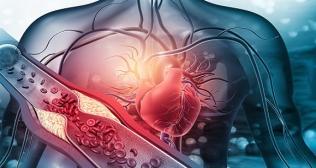
Coronary arteries can become narrowed when plaque builds up inside the arterial walls. This condition, known as coronary artery disease, can restrict blood flow to the heart muscle.
During balloon angioplasty, also called percutaneous coronary intervention (PCI) when used as part of coronary intervention, a catheter is guided to the narrowed section of the artery. A small balloon at the tip of the catheter is then inflated to widen the narrowed area.
The balloon helps compress plaque against the arterial wall and restore the diameter of the blood vessel. In many cases, angioplasty is followed by stent placement to help keep the artery open.
PCI is particularly important during certain heart attacks, where rapidly restoring blood flow can reduce damage to the heart muscle.
Understanding Coronary Stent Placement
A stent is a small mesh tube placed inside a coronary artery to help maintain blood flow after an artery has been widened.
Drug-eluting stents are commonly used because they release medication over time to reduce the likelihood of tissue growth that could narrow the artery again.
After stent placement, patients are generally prescribed antiplatelet medicines to reduce the risk of blood clots forming inside the stent. Taking these medicines exactly as prescribed is particularly important, and patients should not stop them without consulting their cardiologist.
Although modern stents have significantly improved coronary intervention, they do not eliminate the underlying causes of coronary artery disease. Managing blood pressure, cholesterol, diabetes, smoking, diet, physical activity, and other cardiovascular risk factors remains important.
Treating Structural Heart Conditions
Interventional cardiology is not limited to blocked coronary arteries. Catheter-based techniques are also used to treat selected structural heart conditions.
For example, certain patients with severe aortic stenosis may be considered for transcatheter aortic valve implantation or replacement (TAVI/TAVR). Instead of opening the chest to replace the valve, a replacement valve can be delivered through a catheter and positioned inside the diseased valve.
Other catheter-based procedures may be used to treat selected mitral valve disorders or close certain congenital heart defects, such as atrial septal defects or patent foramen ovale, depending on the patient's anatomy and clinical circumstances.
These procedures are not appropriate for everyone. A detailed assessment involving imaging, heart function, medical history, and overall surgical risk helps determine the most suitable treatment.
Using Advanced Cardiac Imaging and Technology
Modern interventional cardiology depends heavily on advanced imaging and monitoring technologies. Fluoroscopy provides real-time guidance during catheter procedures, while other imaging techniques can provide detailed information about the heart and blood vessels.
Intravascular ultrasound (IVUS) and optical coherence tomography (OCT), for example, can help specialists assess the inside of coronary arteries and evaluate plaque, vessel dimensions, and stent placement.
These technologies allow cardiologists to make more informed decisions during complex coronary interventions and can help optimise stent positioning.
Understanding the Benefits of Minimally Invasive Procedures
One of the major advantages of catheter-based cardiac procedures is that they generally avoid the large chest incision required for conventional open-heart surgery.
Depending on the procedure, patients may experience:
- Smaller access-site wounds
- Less postoperative discomfort than major open surgery
- Shorter hospital stays in many cases
- Earlier mobilisation
- Faster return to routine activities for appropriately selected patients
However, minimally invasive does not mean risk-free. Potential complications can include bleeding, blood vessel injury, infection, abnormal heart rhythms, allergic reactions to contrast material, kidney-related complications, or blood clots.
The specific risks depend on the procedure and the patient's health.
What to Expect During Recovery
Recovery following an interventional cardiology procedure varies according to the treatment performed and the patient's overall condition.
After coronary angioplasty or stent placement, the healthcare team usually monitors the patient for several hours or longer depending on the circumstances. The catheter insertion site is checked for bleeding or other complications.
Patients are given instructions regarding activity, wound care, medications, and follow-up appointments. Some patients may return home the same day or after a short hospital stay, while others may require longer observation, particularly after emergency procedures such as treatment for a heart attack.
Cardiac rehabilitation may also be recommended to help patients safely improve physical activity and reduce future cardiovascular risk.
Choosing an Interventional Cardiology Centre
The expertise of the cardiology team and the availability of appropriate technology are important when considering an interventional procedure.
Patients may wish to consider whether the centre has experienced interventional cardiologists, a dedicated cardiac catheterisation laboratory, advanced imaging facilities, emergency cardiac support, cardiac surgery backup when required, and structured post-procedure care.
For patients seeking treatment at a best hospital in Kolkata, a consultation with an experienced interventional cardiologist can help determine whether a catheter-based procedure is appropriate and explain the available alternatives.
Final Thoughts
Interventional cardiology has transformed the treatment of many cardiovascular conditions by providing minimally invasive alternatives to selected traditional surgical procedures.
From coronary angioplasty and stent placement to transcatheter valve procedures and other structural heart interventions, catheter-based techniques can restore blood flow or correct certain heart problems without conventional open-heart surgery.
However, the appropriate treatment depends on the patient's diagnosis, anatomy, symptoms, overall health, and cardiovascular risk. A qualified cardiologist can assess these factors and recommend the most suitable approach while explaining the potential benefits and risks.
Categories
Clear allRelated Blogs
View all






FAQs

Keep track of your appointments, get updates & more!

