
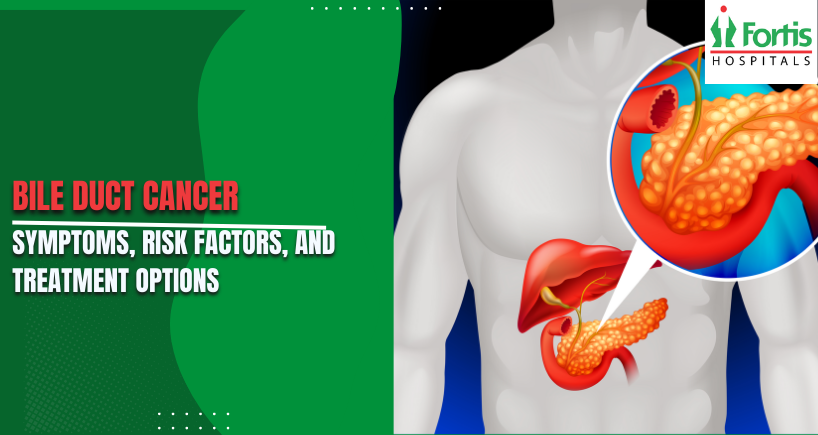


Bile Duct Cancer: Symptoms, Risk Factors, and Treatment Options
Deep within our digestive system is an intricate network of plumbing that works silently, day in and day out. This is the biliary system, a series of small tubes, or ducts, that carry a vital digestive fluid called bile from your liver to your small intestine. Most of us never give this system a second thought. But when the cells lining these tubes begin to grow out of control, it can lead to a rare but very serious disease known as bile duct cancer, or cholangiocarcinoma.
Because of its hidden location deep inside the abdomen, this cancer often grows silently, without producing symptoms until it has reached a more advanced stage. This can make the diagnosis a shocking and frightening event. Understanding the first warning signs, the factors that increase your risk, and the available treatment options is a critical first step. It is the beginning of a journey to face the diagnosis with clarity and a proactive plan.
What Are the Bile Ducts?
To understand this cancer, you must first understand the anatomy. Your liver produces bile, a fluid that is essential for digesting fats in your diet. The bile ducts are a series of small tubes that act as a drainage system. They collect the bile from the liver and carry it to the gallbladder for storage, and then on to the first part of the small intestine when you eat.
Bile duct cancer can occur in any part of this drainage system. Doctors classify it based on where it starts:
Intrahepatic: This cancer starts in the smaller bile ducts located inside the liver.
Extrahepatic: This cancer starts in the larger bile ducts located outside the liver. This is the more common type.
The First Warning Signs: Symptoms of Bile Duct Problems
One of the greatest challenges of bile duct cancer is that the early symptoms of bile duct problems are often subtle or completely absent. The symptoms typically only begin when the tumor grows large enough to block a bile duct. When this happens, the flow of bile is obstructed, causing it to back up into the liver and spill into the bloodstream. This blockage leads to the most common and telltale signs of the disease.
Jaundice Is the Primary Red Flag
This is the classic symptom. Jaundice is a yellowing of the skin and the whites of the eyes. It is caused by a buildup of a substance called bilirubin in the blood. Bilirubin is a yellowish pigment that is a normal byproduct of the breakdown of old red blood cells. It is usually processed by the liver and excreted in bile. When the bile duct is blocked, bilirubin cannot escape, and its levels in the blood rise, causing the yellow discoloration.
Jaundice is often accompanied by:
Intense Itching (Pruritus): The buildup of bile salts in the skin can cause severe, widespread itching that is often difficult to relieve.
Dark Urine: The excess bilirubin in the blood is filtered out by the kidneys, which can turn the urine a dark, tea-like color.
Pale, Greasy Stools: Because bile is blocked from reaching the intestine, the stool loses its normal brown color and can appear pale or clay-colored. The lack of bile also means fat is not properly digested, which can make the stools greasy and foul-smelling.
Other, More General Symptoms
As the disease progresses, other symptoms may develop. These are often less specific and can include:
Abdominal Pain: This is often a dull ache on the right side of the abdomen, just below the ribs.
Unexplained Weight Loss: Losing a significant amount of weight without trying is a common sign of many cancers.
Fever: A recurring fever can be a sign of an infection in the blocked bile duct, a condition called cholangitis.
Nausea and Vomiting: A general feeling of being unwell and a loss of appetite are also common.
Understanding the Bile Duct Cancer Causes and Risk Factors
For the vast majority of people diagnosed with this cancer, a specific cause is never found. However, researchers have identified several key risk factors that are strongly linked to the disease. The common theme among most of these is chronic inflammation of the bile ducts. Anything that causes long-term irritation and damage to the cells lining the ducts can increase the risk of them becoming cancerous over time.
The most significant risk factors include:
Primary Sclerosing Cholangitis (PSC): This is an autoimmune disease that causes inflammation, scarring, and narrowing of the bile ducts. It is the strongest known risk factor in Western countries.
Bile Duct Abnormalities: Certain congenital conditions, such as choledochal cysts (sac-like dilations of the bile ducts), can increase the risk.
Chronic Liver Disease (Cirrhosis): Long-term damage to the liver from any cause, including chronic hepatitis B or C infection, significantly increases the risk.
Liver Fluke Infections: In some parts of Southeast Asia, infection with a parasitic worm called a liver fluke is a major cause of bile duct cancer.
An Overview of Bile Duct Treatment Options
The specific bile duct treatment plan depends on many factors, most importantly the location and the stage of the cancer. A multidisciplinary team of specialists, including gastroenterologists, oncologists, radiation oncologists, and surgeons, will work together to determine the best course of action.
Surgery: The Only Potential for a Cure
The only chance to cure bile duct cancer is to remove it completely with surgery. Unfortunately, because cancer is often diagnosed at a late stage, only a small number of patients are candidates for surgery. The type of operation depends on the tumor's location and can be very extensive, sometimes involving the removal of parts of the bile duct, the liver, and the pancreas.
Chemotherapy and Radiation
For patients whose cancer cannot be removed surgically, or as an additional treatment after surgery, chemotherapy and radiation therapy are the mainstays of treatment. These therapies are used to shrink the tumor, control its growth, and relieve symptoms.
Palliative Treatments to Improve Quality of Life
For advanced bile duct cancer, the focus of treatment often shifts to palliative care, which is aimed at relieving symptoms and improving quality of life. The most important palliative procedure is relieving the bile duct blockage. This is often done by placing a small tube, called a stent, inside the bile duct to hold it open. This allows the bile to drain, which can dramatically relieve the jaundice and the debilitating itching.
A Proactive Partnership in Your Care
A diagnosis of bile duct cancer is a challenging and life-altering event. The symptoms, particularly jaundice, should never be ignored. They are your body's most important signal that something is seriously wrong and requires immediate medical attention.
The journey requires a strong partnership with a specialized medical team, ideally at a major cancer center with expertise in treating this rare and complex disease. This team can provide you with a comprehensive plan and the supportive care you need.
Frequently Asked questions
Q1. Is bile duct cancer a form of liver cancer?
Ans. This can be confusing. Bile duct cancer that starts inside the liver (intrahepatic) is often grouped with and treated similarly to primary liver cancer. However, it arises from the cells of the bile ducts, not the main liver cells (hepatocytes). They are distinct cancers that grow in the same organ.
Q2. Is bile duct cancer hereditary?
Ans. For the most part, no. The vast majority of bile duct cancer causes are not related to inherited genes. It is very rare for this type of cancer to run in families. The risk is primarily associated with the chronic inflammatory conditions mentioned above.
Q3. Can this cancer be cured?
Ans. A cure is possible, but only if the cancer is detected at a very early stage when it can be completely removed with surgery. Because it is so often diagnosed late, the overall cure rate is low, which is why recognizing the early symptoms is so critical.
Q4. What is the most important first step if I have symptoms like jaundice?
Ans. You must see a doctor immediately. Jaundice is never normal. It is a serious medical sign that requires an urgent evaluation to determine its cause. Do not wait to see if it will go away on its own.
Categories
Clear allRelated Blogs
View all
When Is A Liver Transplant Recommended?
Alcoholic Liver Disease - Why Worry?

Binge Drinking Trend Is The New Silent Killer

Irritable Bowel Syndrome

Digestive Disorders And Prevention


Keep track of your appointments, get updates & more!

