
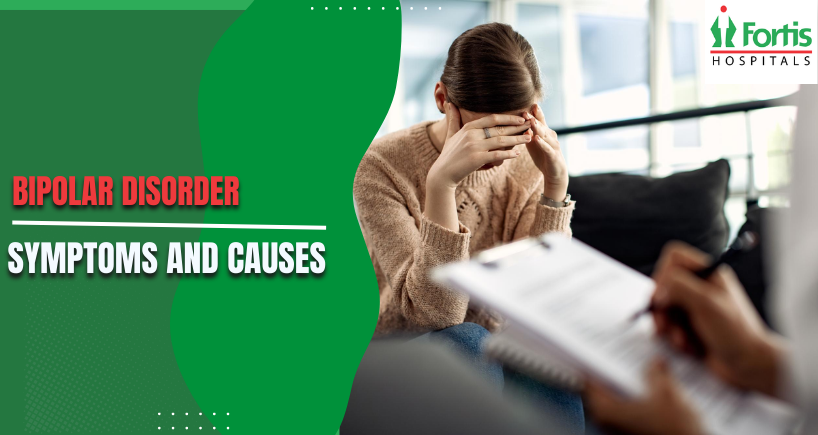


Bipolar Disorder: Symptoms and Causes
Life is full of emotional ups and downs. We all experience periods of joy and excitement, as well as times of sadness and disappointment. These are the normal rhythms of a rich and varied life. For someone living with bipolar disorder, however, the emotional landscape is dramatically different. The moods are not just swings; they are seismic shifts, powerful episodes of highs and lows that can disrupt every aspect of their world, from their career and relationships to their physical health.
This condition is often misunderstood, with its symptoms sometimes dismissed as personality traits or simple moodiness. But bipolar disorder is a serious and complex medical illness, a brain disorder that requires a clear diagnosis and a comprehensive treatment plan. Understanding the true nature of its symptoms and the factors that contribute to it is the first and most critical step toward finding stability and wellness.
What Is Bipolar Disorder?
Bipolar disorder is a mental health condition characterized by extreme and intense shifts in mood, energy, concentration, and the ability to carry out day-to-day tasks. The name "bipolar" refers to the two "poles" or extremes of mood that define the illness: the highs of mania or hypomania, and the lows of depression.
Think of your brain's mood regulation system as a home thermostat. In most people, the thermostat does a good job of keeping the emotional temperature in a comfortable, stable range. In bipolar disorder, that thermostat is broken. It can get stuck on the highest heat setting, leading to the intense energy of mania, or it can plummet to the coldest setting, causing the profound despair of depression. The journey of managing this condition is about learning to repair and regulate that internal thermostat.
The Two Poles of Bipolar Disorder
The experience of this illness is defined by its episodes of mania and depression. Recognizing the signs of bipolar disorder involves understanding what each of these poles looks like.
The Highs: Understanding Manic and Hypomanic Episodes
A manic episode is not just a good mood or a burst of energy. It is a distinct period of abnormally and persistently elevated, expansive, or irritable mood, accompanied by a significant increase in energy and activity. The bipolar disorder symptoms during a manic phase can include:
Elevated Mood and Euphoria: An intense feeling of happiness, well-being, and excitement that is out of proportion to any actual events.
Extreme Irritability: For some, the high is not euphoric but is characterized by extreme impatience, anger, and aggression.
Decreased Need for Sleep: A person may feel rested and energetic after only two or three hours of sleep a night.
Racing Thoughts and Rapid Speech: Thoughts can feel like they are moving too fast to keep up with, and speech can become pressured, rapid, and difficult for others to follow.
Inflated Self-Esteem or Grandiosity: An unrealistic belief in one's own abilities, importance, or power.
Impulsive and Risky Behavior: This is a hallmark of mania and can have severe consequences. It can manifest as spending sprees, reckless driving, substance abuse, or impulsive sexual encounters.
Hypomania is a less severe form of mania. It involves the same types of symptoms, but they are not as intense and do not cause the same level of impairment in a person's life. A hypomanic episode does not involve psychosis (a break from reality) and typically does not require hospitalization, whereas a full manic episode often does.
The Lows: The Experience of Bipolar Depression
The depressive episodes in bipolar disorder are just as defining and are often more debilitating and last longer than the manic phases. A common misconception is that this is just sadness. In reality, bipolar depression is a profound and painful illness.
The bipolar depression symptoms are similar to those of major depressive disorder, but they can be more severe and harder to treat. The key bipolar symptoms in a depressive phase include:
Overwhelming Sadness and Hopelessness: A persistent feeling of despair and a bleak outlook on the future.
Loss of Interest or Pleasure (Anhedonia): A complete loss of interest in activities that were once enjoyed, from hobbies to spending time with loved ones.
Profound Fatigue: An overwhelming exhaustion and lack of energy that is not relieved by sleep.
Changes in Sleep and Appetite: This can go in either direction. A person might sleep all the time or suffer from insomnia. They might lose their appetite completely or eat much more than usual.
Feelings of Worthlessness or Guilt: Intense and often irrational feelings of self-blame and low self-worth.
Difficulty Concentrating: An inability to focus, make decisions, or remember things.
Thoughts of Death or Suicide: These are a serious symptom and a medical emergency.
Unraveling the Causes of Bipolar Disorder
The exact cause of bipolar disorder is not yet known, but researchers agree that it is not the result of a single factor. It is a complex illness that arises from an interplay of genetics, brain chemistry, and environmental influences.
Genetic Factors
Bipolar disorder has a strong genetic component. It is one of the most heritable of all major psychiatric disorders. While having a family member with the condition does not guarantee you will develop it, it does significantly increase your risk. This suggests that certain genes, when inherited, can make a person more vulnerable to the illness.
Brain Structure and Chemistry
Scientists have observed subtle differences in the brain structure and function of people with bipolar disorder. It is also believed that an imbalance in certain naturally occurring brain chemicals called neurotransmitters plays a key role. These messengers, including norepinephrine, serotonin, and dopamine, are essential for mood regulation, and their dysregulation is a central feature of the illness.
Environmental Triggers
A person may be genetically predisposed to bipolar disorder, but an environmental factor may be needed to trigger the first episode. These triggers can include periods of intense stress, a traumatic experience, a major life change, or even a physical illness.
A Note on Bipolar Disorder Treatments
While the symptoms and causes can seem overwhelming, it is critical to know that bipolar disorder is a treatable and manageable condition. While there is no cure, a consistent and comprehensive bipolar treatment plan can help most people gain significant control over their mood swings and lead full, productive lives.
The cornerstone of bipolar disorder treatments is medication. Mood stabilizers are the primary class of drugs used to control manic and hypomanic episodes. Psychotherapy, or talk therapy, is also an essential component of care, helping individuals develop coping skills, recognize their triggers, and manage the impact of the illness on their lives.
A Proactive Path to Stability and Wellness
Bipolar disorder is a serious medical illness defined by its extreme highs and lows. Understanding the specific signs of bipolar disorder is the first step toward a diagnosis, which opens the door to effective, life-changing treatment and management.
It is not a condition that can be managed alone. If you recognize these symptoms in yourself or a loved one, seeking a professional evaluation from a psychiatrist or mental health expert is a sign of strength and the first step on a proactive path to wellness.
Frequently Asked Questions
Q1. What is the main difference between regular depression and bipolar depression?
Ans. The symptoms of a depressive episode can look identical. The key difference is the context of the person's history. A diagnosis of bipolar depression is made when a person who experiences major depressive episodes also has a history of at least one manic or hypomanic episode.
Q2. Can bipolar disorder be diagnosed with a blood test or brain scan?
Ans. No. There is no blood test or brain scan that can definitively diagnose bipolar disorder. The diagnosis is made by a qualified mental health professional based on a thorough evaluation of your symptoms, their severity and duration, your personal history, and your family history.
Q3. Are the signs of bipolar disorder different in men and women?
Ans. While the core symptoms are the same, there can be some differences in how the illness presents. Women with bipolar disorder may experience more depressive episodes and are more likely to have other co-occurring conditions, like thyroid disease. Men may have their first episode earlier in life and it is more likely to be a manic episode.
Q4. What is the difference between Bipolar I and Bipolar II disorder?
Ans. The primary difference lies in the severity of the "highs." A person with Bipolar I has experienced at least one full manic episode, which is severe and causes significant life impairment. A person with Bipolar II has experienced at least one less severe hypomanic episode, along with at least one major depressive episode.
Categories
Clear allRelated Blogs
View all
Are We Under Or Over Diagnosing Psychological Issues In Children

Healthy Coping Strategies To Adopt When You Are Overwhelmed By Your Workload

Dealing With Relationships: A Guide For Young People

Asking For Help - Things To Share And Consider When Seeking Help


How Psychological Safety Looks Like At A Workplace

How To Create A Workplace That Motivates Employees To Do Their Best

How To Make A Smooth Transition To A New Job



Keep track of your appointments, get updates & more!

