
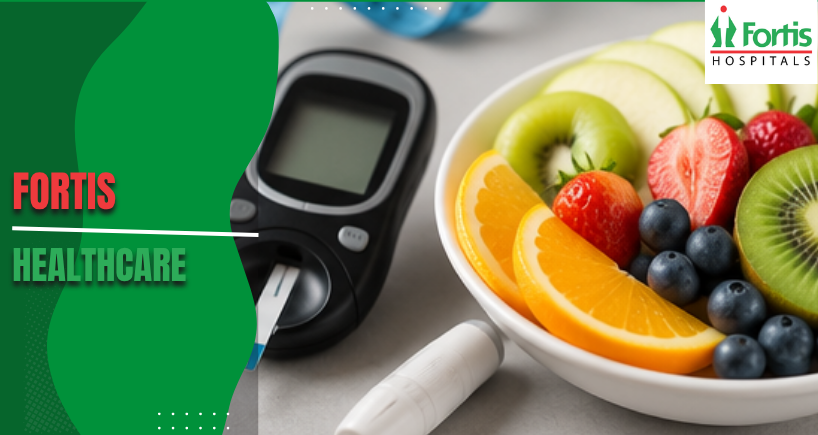


Blood Sugar-Friendly Fruits You Can Add to a Diabetic Diet
One of the most common misconceptions about diabetes management is that all fruits are off-limits because they contain sugar. This is simply not true. While people with diabetes do need to be mindful of carbohydrate intake, many fruits are not only safe to eat, they actively support blood sugar control, heart health, and overall wellbeing.
The key is understanding the glycemic index (GI) and glycemic load (GL) of fruits, the role of fiber in slowing glucose absorption, and how portion size matters. In this blog, we break down the best blood sugar-friendly fruits for diabetics and explain why they work.
Understanding Glycemic Index and Why It Matters
The glycemic index (GI) measures how quickly a food raises blood glucose levels on a scale of 0 to 100. Foods with a low GI (55 or below) release glucose slowly into the bloodstream, preventing sharp spikes. High-fiber foods naturally have a lower GI because fiber slows down digestion and glucose absorption.
For people with diabetes, choosing low-GI fruits especially those rich in fiber is a smart strategy to enjoy the nutritional benefits of fruit without triggering large glucose fluctuations. Portion size, however, still matters even with low-GI fruits.
Best Blood Sugar-Friendly Fruits for Diabetics
1. Guava (Amrood)
Guava is arguably one of the best fruits for blood sugar management. It is high in dietary fiber, has a low GI (12), and is packed with vitamin C and lycopene. The fiber in guava significantly slows carbohydrate absorption, helping to flatten post-meal glucose spikes. Studies suggest that guava leaf extract may also have antidiabetic properties.
Serving tip: One medium guava (with skin) per day is a safe and delicious choice.
2. Jamun (Indian Blackberry)
Jamun has been used in Ayurvedic medicine for diabetes management for centuries. Its seeds contain jamboline and jambosine compounds that are believed to slow the conversion of starch to sugar. Jamun also has a very low GI and is rich in anthocyanins, antioxidants that reduce inflammation associated with insulin resistance.
Serving tip: A small bowl of fresh jamun (10–15 berries) makes an ideal diabetic-friendly snack.
3. Berries (Strawberries, Blueberries, Raspberries)
All berries have a relatively low GI (25–40) and are extraordinarily rich in polyphenols, fiber, and vitamin C. Studies have shown that regular berry consumption can improve insulin sensitivity, reduce oxidative stress, and lower HbA1c levels over time. They are among the most research-backed fruits for metabolic health.
Serving tip: Half a cup of fresh mixed berries per day. Avoid berry juices, which strip out fiber.
4. Apple
Apples contain quercetin, chlorogenic acid, and phloridzin polyphenols that have been shown to lower blood sugar levels by improving insulin sensitivity and slowing glucose absorption in the gut. With a GI of around 36 and good fiber content (especially in the skin), apples are a practical and widely available diabetic-friendly fruit.
Serving tip: One small apple with skin daily. Eat whole, not juiced, to retain fiber.
5. Pear (Nashpati)
Pears are high in soluble fiber, particularly pectin, which forms a gel in the digestive tract and slows glucose absorption significantly. They also have a low GI (38) and contain anthocyanins and flavonoids associated with a reduced risk of type 2 diabetes. Pears are also naturally sweet, making them satisfying without causing glucose surges.
Serving tip: One small to medium pear per day, eaten fresh with the skin on.
6. Kiwi
Kiwi has a moderate GI (50) but its high fiber, vitamin C, and inositol content make it a good choice for diabetics. Inositol is a compound that research suggests may improve insulin sensitivity. Kiwi also provides potassium, which supports blood pressure management - an important consideration for people with diabetes.
Serving tip: One or two kiwis per day, ideally eaten as a snack between meals.
7. Papaya (Papita)
Papaya has a GI of around 59 ,slightly higher than others on this list but its fiber content, enzymes (papain), and antioxidants (beta-carotene, lycopene) make it nutritionally valuable for diabetics when consumed in controlled portions. It also supports digestion, which is important for people managing blood sugar.
Serving tip: A small bowl (roughly 100–150g) of fresh papaya, not too ripe, is the ideal portion.
Fruits Diabetics Should Limit or Avoid
- Mango - high GI and natural sugar content; limit to very small portions.
- Banana - moderate to high GI depending on ripeness; choose slightly underripe ones.
- Grapes - high natural sugar concentration; small portions only.
- Pineapple - high GI (66); avoid large servings.
- Fruit juices - all juices remove fiber and concentrate sugars; avoid entirely.
Smart Tips for Eating Fruit With Diabetes
- Always eat fruit as a whole food never as juice or smoothie, which removes fiber.
- Pair fruit with protein (nuts, yogurt) or healthy fat to further slow glucose absorption.
- Monitor your blood sugar 1–2 hours after eating a new fruit to understand your personal response.
- Choose fresh or frozen fruit over canned fruit in syrup.
- Spread fruit intake across the day rather than eating large portions at once.
Conclusion
Managing diabetes does not mean giving up fruit. It means choosing wisely. Guava, jamun, berries, apples, pears, kiwi, and papaya eaten in appropriate portions can be enjoyed safely and even contribute to better blood sugar control. Focus on whole fruits, watch your portions, and always pair with a balanced meal plan designed with your doctor or dietitian.
Categories
Clear allMeet the doctor

- Support Specialties | General Physician
- Internal Medicine | Internal Medicine
-
 15 Years
-
 1150
1150
Related Blogs
View all








FAQs
Which fruit is best for lowering blood sugar?
Jamun and guava are top choices — both have very low GI and antidiabetic compounds.
Can diabetics eat bananas?
In small portions — choose slightly underripe bananas, which have a lower GI.
Is fruit juice safe for diabetics?
No — juices remove fiber and spike blood sugar quickly; always eat whole fruit.
How much fruit can a diabetic eat per day?
Generally 2–3 small servings of low-GI fruit spread across the day is safe.

Keep track of your appointments, get updates & more!

