


Breakthroughs in Pancreatic Cancer Surgery Inside the Practices of the Best Gastro Surgeons in India
Your pancreas hides behind your stomach, tucked deep where you can't feel it. That's part of why pancreatic cancer is so scary. People don't know anything's wrong until the tumor has already spread. Maybe you're losing weight without trying. Your back hurts, but you figure it's just age. Then your skin starts looking yellow.
By that point, the cancer's been growing for months. When families hear this diagnosis, the fear hits immediately. But here's what's changed - the best gastro surgeon in India can now do things that seemed impossible a decade ago. Removing tumors doctors once called inoperable. That's not a small shift.
Catching Tumors While Surgery Can Still Help
Regular CT scans don't always catch pancreatic tumors early. A growth hiding in the wrong spot just doesn't show up clearly. This has been one of the biggest obstacles with this disease.
Top surgical centers layer different imaging together now. MRI reveals soft tissue details CT misses. PET scans light up areas where cancer cells burn through energy differently. Combine these and doctors find tumors at stages where removal is actually possible.
Something else has really changed how surgeons prepare. The best gastro hospital in India creates 3D models of your pancreas from imaging. Your surgeon rotates this on a screen, zooms in, sees exactly how vessels curve around the tumor before you're on the table. Fewer surprises during surgery means you're safer.
There's also endoscopic ultrasound. A thin scope goes down your throat into your stomach, getting right next to your pancreas. Images are incredibly clear. Doctors can sample tissue without any cuts. Many patients skip more invasive testing because this answers what needs to be known.
The Whipple Procedure Looks Completely Different
The Whipple removes the head of your pancreas, part of your small intestine, your gallbladder, sometimes part of your stomach. Surgeons then reconnect everything. It's major surgery - let's not pretend otherwise.
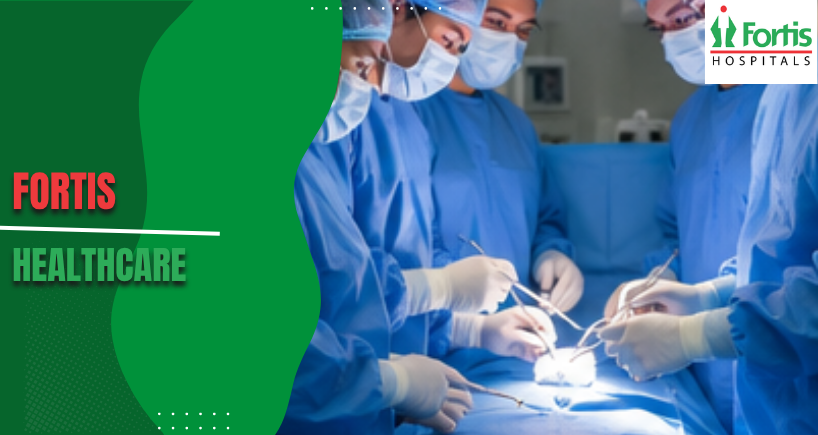
How it's done has been revolutionized though. Many surgeons use robotic techniques now instead of one long incision. Several small cuts replace that big opening. Robotic arms bend and twist in ways human hands can't, especially between organs in tight spaces.
Recovery time has dropped. Two weeks in the hospital used to be normal. Now many patients go home in five to seven days. Less pain, fewer infections. Those smaller incisions make a real difference.
Blood loss is way down too. The best gastroenterology hospital in Delhi NCR teams lose around 300ml during robotic Whipple procedures. Open surgery often meant 800-1000ml. That's not a minor difference. Fewer transfusions, fewer complications afterward.
When Cancer Grows Around Blood Vessels
Doctors used to call these inoperable. If the tumor wrapped around the superior mesenteric vein or portal vein, surgery wasn't an option. Those conversations were crushing for patients.
Not anymore. Experienced surgeons remove vessel sections along with the tumor now. They rebuild vessels with grafts or stitch healthy sections together. Patients who would've gone home without surgery have real options now.
This demands serious skill though. Your surgeon's controlling bleeding while separating tumors from vessels that cause massive hemorrhage if nicked wrong. Experience counts enormously. The Best Hospital in India has teams doing these complex vascular resections regularly, and that volume translates into patients actually surviving and recovering well.
When choosing where to have surgery, ask how many they do yearly. Centers above 20 annually show significantly better results.
Chemotherapy First Actually Works Better
Sounds backward, right? You've got cancer - cut it out immediately.
Here's why waiting makes sense. Chemotherapy shrinks tumors and kills microscopic cancer cells scans miss. Smaller tumors are easier to remove completely. Plus, the treatment tests how aggressive your cancer is. If chemo doesn't shrink it, surgery probably won't cure you anyway. That helps you decide if major surgery is worth it.
The best gastrologist doctor in India programs analyze your tumor's genes. They figure out which drugs will actually work against your specific cancer. Not everyone gets identical treatment anymore. This beats the old approach of giving the same chemo regardless of individual differences.
After chemotherapy, tumors are less stuck to surrounding tissue. Less invasive. Surgical margins come back clear more often - that rim of healthy tissue around where the tumor was. Clear margins mean lower recurrence and better survival. That's why waiting often beats rushing into surgery.
Recovery Doesn't Look Like It Used To
What happens after surgery matters as much as the operation. Enhanced recovery has transformed the post-op experience.
You'll drink a carbohydrate beverage two hours before surgery instead of fasting twelve hours. Keeps your metabolism stable, helps your body handle surgical stress better. Simple change, big impact.
Pain control has moved beyond opioids. Doctors combine different medications working through separate pathways. Epidurals deliver relief to spinal nerves. Anti-inflammatory drugs reduce discomfort without narcotic side effects. Less morphine means less nausea and constipation.
You'll move the day after surgery. Physical therapists get you sitting up, standing, walking a few steps even with drains in place. This prevents pneumonia and wakes up your digestive tract faster. The best gastroenterologist in New Delhi ditched keeping patients in bed for days. That caused more problems than it solved.
Nutrition starts within 24 hours when possible. Your intestines heal better with nutrients. The old rule of waiting days has been proven wrong.
Life After Surgery
Surviving the operation is just the beginning. Modern techniques preserve pancreatic tissue when possible. This helps your body keep producing digestive enzymes and insulin. Surgeons map insulin-producing cells before operating and try sparing the pancreas tail, which has the most of these cells.
Some people develop diabetes when not enough tissue remains. Managing it today is far more sophisticated though. Continuous glucose monitors and insulin pumps make control easier. Not ideal, but manageable.
Most people need enzyme supplements with meals initially - pills replacing what your pancreas used to make. Over months, many reduce or stop these as their remaining pancreas compensates. Bodies adapt well.
Follow-up means imaging every few months and blood tests tracking tumor markers. Five-year survival rates have climbed as techniques improve. Patients at high-volume centers consistently do better. Every study confirms this pattern.
Teams Work Better Than Solo Doctors
No surgeon handles this alone now. Your care involves medical oncologists managing chemo, radiation specialists, surgeons, radiologists, pathologists, nutritionists. They communicate constantly about your case.
Tumor boards meet weekly at major centers. Doctors from different specialties discuss complex cases together. A radiologist might spot something changing the approach. An oncologist might know about a trial offering better options. This catches what isolated doctors miss.
Genetic counseling is standard. About ten percent of cases involve inherited mutations. If you carry one, your family might benefit from screening. Certain mutations also make tumors respond better to specific drugs. Knowing your genetics guides real decisions.
What's on the Horizon
Research keeps pushing boundaries. Fluorescence imaging uses dyes making cancer cells glow under certain light. Surgeons see microscopic disease invisible otherwise. This helps achieve clear margins predicting better survival.
Irreversible electroporation uses electrical pulses destroying cancer while preserving blood vessels. For tumors in risky locations, this offers new possibilities. Early results look good.
Artificial intelligence helps surgeons plan by analyzing thousands of previous cases. These tools enhance decision-making with pattern recognition humans can't match. The technology improves rapidly, bringing capabilities translating into better outcomes for patients facing this challenging disease.
Categories
Clear allRelated Blogs
View all
When Is A Liver Transplant Recommended?
Alcoholic Liver Disease - Why Worry?

Binge Drinking Trend Is The New Silent Killer

Irritable Bowel Syndrome

Digestive Disorders And Prevention
FAQs

Keep track of your appointments, get updates & more!

