
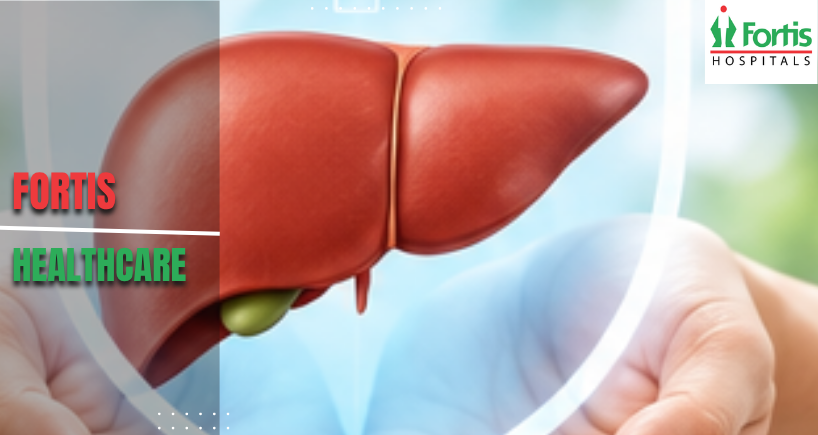


A Brighter Future Improved Survival Rates in Liver Transplants
A diagnosis of advanced liver disease can be frightening, particularly when the liver has reached a stage where it can no longer perform its essential functions. For patients with irreversible liver failure, liver transplantation can provide an important treatment option and, in appropriate cases, the possibility of significantly improved quality of life.
Liver transplantation has changed considerably over the past several decades. Advances in surgical techniques, organ preservation, intensive care, infection management and immunosuppressive medicines have contributed to better outcomes for many transplant recipients.
Although transplantation remains a complex procedure with potential risks, improvements in medical care mean that many patients can live for years after receiving a new liver.
Understanding Liver Transplant Survival
Survival after a liver transplant is often discussed in terms of one-year and five-year outcomes. However, these figures should not be interpreted as a prediction for an individual patient.
Outcomes can vary according to:
- The reason for transplantation
- The patient's age and overall health
- Severity of liver disease before surgery
- Presence of other medical conditions
- Donor and recipient characteristics
- Type of transplant
- Postoperative complications
- Adherence to long-term treatment and follow-up
In modern transplant programmes, one-year survival is commonly around 90% for many adult liver transplant recipients, although the exact figure varies between populations and transplant centres. Longer-term survival is also possible for many recipients, with a substantial proportion living well beyond five years.
These statistics reflect population-level outcomes rather than guarantees for any individual patient.
The Importance of the First Year After Transplant
The first year following transplantation is an important period of recovery and monitoring.
Patients may need close observation for complications such as:
- Organ rejection
- Infection
- Bleeding
- Blood-vessel complications
- Bile-duct problems
- Kidney dysfunction
- Medication-related side effects
Regular blood tests allow doctors to monitor liver function and identify potential complications early.
The patient may also need to gradually rebuild physical strength following a major operation. Recovery can involve nutritional support, physiotherapy and a gradual return to everyday activities.
The Role of Surgical Expertise
Liver transplantation is one of the most technically demanding abdominal procedures. The transplant team must carefully remove the diseased liver and connect the donor liver to the recipient's blood vessels and bile ducts.
Major blood vessels need to be connected precisely so that adequate blood flow reaches the transplanted organ. The bile duct must also be reconstructed to allow bile to drain appropriately.
Surgical expertise is particularly important in patients with complex anatomy, previous abdominal surgery, extensive scarring or severe portal hypertension.
For patients researching the best liver hospital in India, it is useful to consider more than the surgeon's experience alone. A comprehensive transplant programme should also have specialised intensive care, hepatology, anaesthesia, radiology, pathology, nursing and rehabilitation support.
Advances in Organ Preservation
One of the significant developments in transplantation has been the improvement of organ preservation.
Traditionally, donated livers have been preserved using static cold storage, in which the organ is cooled in a specialised preservation solution. This slows cellular metabolism and helps protect the organ during transportation.
More recently, machine perfusion technologies have expanded the possibilities for organ preservation and assessment.
With normothermic machine perfusion, the liver can be connected to a machine that circulates oxygenated, nutrient-rich fluid through the organ at near-body temperature. This can help maintain the organ's metabolic activity and, in selected situations, allow transplant teams to assess its function before transplantation.
Machine perfusion does not simply eliminate transportation limitations or make every liver suitable for transplantation. However, it represents an important development in organ preservation and may help expand the donor pool in selected settings.
Advances in Postoperative Care
Successful transplantation depends on much more than the operation itself.
After surgery, patients are closely monitored in a specialised intensive care or transplant unit. Medical teams assess circulation, breathing, kidney function, liver function, blood clotting and fluid balance.
Advances in critical care have improved the ability to recognise and manage complications early.
Patients may also receive support from:
- Transplant hepatologists
- Intensive care specialists
- Pharmacists
- Dietitians
- Physiotherapists
- Specialist nurses
- Psychologists or counsellors
This multidisciplinary approach helps address the different physical and emotional challenges associated with transplantation.
Understanding Immunosuppressive Treatment
One of the major challenges after a liver transplant is rejection.
The immune system naturally recognises the transplanted liver as foreign and can attack it. To reduce this risk, recipients are prescribed immunosuppressive medicines.
Commonly used medicines may include tacrolimus, ciclosporin, mycophenolate and corticosteroids, although the exact combination differs between patients.
These medicines require careful management. Too little immunosuppression can increase the risk of rejection, while excessive immunosuppression can increase susceptibility to infections and other complications.
Regular blood tests help doctors monitor medication levels and liver function and make adjustments when necessary.
Patients should take their medicines exactly as prescribed and should not stop or change them without speaking with their transplant team.
Living Beyond the First Five Years
Long-term survival after liver transplantation is increasingly achievable for many patients, but it is important to remember that transplantation is not a one-time treatment with no further medical care.
Recipients generally require lifelong follow-up.
Long-term monitoring may include:
- Liver function tests
- Kidney function assessment
- Medication monitoring
- Blood pressure and metabolic health checks
- Screening for infections
- Monitoring for medication-related complications
- Cancer screening and other age-appropriate preventive care
The underlying disease that led to transplantation may also require continued monitoring. For example, patients transplanted because of certain liver cancers may need ongoing surveillance for recurrence.
Lifestyle and Long-Term Health
After recovery, many transplant recipients can gradually return to work, exercise and other everyday activities. The timing varies according to the patient's condition and should be discussed with the transplant team.
A balanced diet, appropriate physical activity, adequate sleep and avoidance of tobacco can support overall health.
Food safety is particularly important because immunosuppressive medicines can increase susceptibility to certain infections. Patients may receive specific guidance about food preparation and foods that should be avoided.
Alcohol also requires particular caution after transplantation. Patients should discuss alcohol use with their transplant team, particularly when alcohol-associated liver disease was the original reason for transplantation.
Choosing the Right Transplant Centre
The experience and resources of the transplant centre can play an important role in patient care.
When comparing a Best hospital in India for liver transplantation, patients and families may consider:
- Experience and volume of liver transplant procedures
- Availability of specialised transplant surgeons
- Hepatology and intensive care support
- Organ preservation and transplantation facilities
- Emergency services
- Infection-control protocols
- Availability of diagnostic imaging and laboratory services
- Rehabilitation and nutritional support
- Long-term transplant follow-up
The best centre is not simply the one with the most advanced technology. Coordinated specialist care before, during and after transplantation is equally important.
A Positive Outlook With Realistic Expectations
The progress made in liver transplantation over the past several decades is significant. Improvements in surgery, organ preservation, critical care, immunosuppressive therapy and infection management have helped many patients achieve long-term survival.
At the same time, transplantation remains a major medical procedure, and complications can occur. Survival statistics describe groups of patients and cannot predict exactly what will happen to one individual.
For transplant recipients, long-term outcomes depend not only on the surgery but also on regular follow-up, medication adherence, management of other health conditions and early attention to potential complications.
Final Thoughts
Liver transplantation has evolved from a highly challenging experimental procedure into an established treatment for selected patients with advanced liver disease. Continued advances in surgical techniques, organ preservation and postoperative care are helping transplant teams improve outcomes and expand treatment possibilities.
For patients facing liver failure, these developments offer genuine reason for hope. However, the transplant journey does not end when the operation is complete. Lifelong medical care, regular monitoring and adherence to prescribed treatment remain essential.
If you or a family member is being evaluated for liver transplantation, discuss individual survival expectations, potential risks and treatment options with an experienced transplant team. Personalised medical advice is the best way to understand what transplantation may mean for your specific situation.
Categories
Clear allRelated Blogs
View all
Types of liver transplantation by Dr. Kishore GSB
Autoimmune Hepatitis a non-infectious condition: Know its Symptoms, Causes and Treatment

Hepatitis C: Symptoms, Transmission And Treatment Options

हेल्दी’ पैकेज्ड फूड में छिपा सोडियम बम: सेहत पर असर और बचाव के स्मार्ट टिप्स

Why Many Patients with Liver Cancer Are Told They Are Inoperable? And Why That Is Not Alwa...

Why Are Some Liver Cancer Patients Told They Are Inoperable?

Where to Go After an Inoperable Diagnosis? Choosing the Right Liver Cancer Specialist or C...


FAQs

Keep track of your appointments, get updates & more!

