
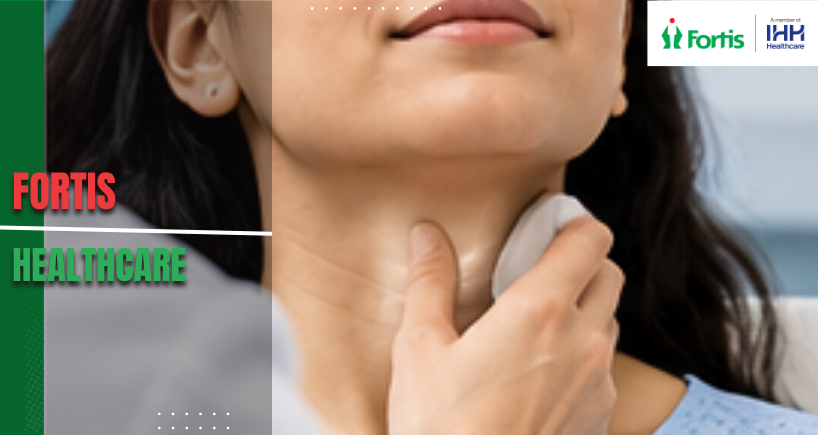


Can Thyroid Cancer Recur After Removing the Thyroid Gland?
Being told that thyroid cancer has been treated can bring a great sense of relief, especially after undergoing thyroid surgery. However, it is natural to wonder whether cancer can return even after the thyroid gland has been removed.
The answer is yes, thyroid cancer can recur after a thyroidectomy, although the risk varies considerably depending on the type and stage of cancer, tumour characteristics, lymph-node involvement, whether all visible cancer was removed, and other individual factors.
Fortunately, regular follow-up can help doctors identify signs of recurrence and decide whether further evaluation or treatment is needed.
Can Thyroid Cancer Come Back After Thyroid Removal?
A total thyroidectomy removes the thyroid gland and most of the thyroid tissue within the neck. However, microscopic thyroid cancer cells may occasionally remain in nearby tissues or lymph nodes, even when surgery has removed all visible disease.
This does not mean that recurrence will definitely occur. Many people treated for thyroid cancer remain disease-free for years or permanently.
The possibility of recurrence depends on factors such as:
- The type of thyroid cancer
- Tumour size and location
- Whether cancer had spread to lymph nodes or other parts of the body
- Features seen under the microscope
- Whether there was any remaining disease after surgery
- Response to treatments such as radioactive iodine, when appropriate
Your doctor uses these factors to determine the level of follow-up you may need.
Understanding Microscopic Cancer Cells
One of the challenges after thyroid cancer surgery is that very small numbers of cancer cells may not be visible during an operation or on routine imaging.
Surgeons aim to remove the cancer while protecting important structures in the neck, including the nerves responsible for vocal-cord movement and the parathyroid glands that help regulate calcium levels. In some situations, removing every microscopic cell may not be possible or may create unnecessary surgical risk.
Pathology provides important information after surgery. The removed thyroid tissue and, when applicable, lymph nodes are examined to determine the cancer type and identify features that can influence further treatment and follow-up.
In some thyroid cancers, molecular or genetic testing may also be considered. These tests are not necessary for every patient, but they can provide additional information in selected cases.
What Is the Role of Radioactive Iodine Therapy?
Radioactive iodine, also called radioactive iodine therapy or RAI, is used for certain types of differentiated thyroid cancer, particularly papillary and follicular thyroid cancers.
Because thyroid cells naturally take up iodine, radioactive iodine can be absorbed by remaining thyroid tissue or certain thyroid cancer cells. The radiation can then destroy these iodine-absorbing cells.
However, radioactive iodine is not required for everyone who has thyroid cancer. Whether it is recommended depends on factors such as the cancer's risk of recurrence, tumour characteristics, spread and the amount of thyroid tissue remaining after surgery.
Radioactive iodine may be used to:
- Destroy remaining normal thyroid tissue after surgery
- Treat selected thyroid cancer that has spread or recurred
- Help improve the accuracy of certain follow-up tests in appropriate patients
It is important to understand that radioactive iodine does not work equally well against every type of thyroid cancer. Some cancer cells may not take up iodine, so treatment must be tailored to the individual.
Monitoring Thyroglobulin Levels
After total thyroidectomy, thyroglobulin (Tg) can be useful as a tumour marker in people with certain differentiated thyroid cancers, particularly when radioactive iodine treatment has also been used.
Thyroglobulin is a protein normally produced by thyroid cells. After the thyroid gland has been removed, doctors may monitor Tg levels over time. Depending on the patient's treatment and risk category, very low or undetectable levels may be reassuring.
A rising or unexpectedly detectable thyroglobulin level can sometimes indicate persistent or recurrent thyroid tissue or cancer. However, one abnormal result does not automatically mean that cancer has returned.
Doctors may interpret thyroglobulin together with:
- Thyroglobulin antibody levels
- Previous thyroglobulin results and trends
- Neck ultrasound findings
- The original cancer pathology
- Previous radioactive iodine treatment
- The patient's overall risk of recurrence
Thyroglobulin antibodies can interfere with the interpretation of thyroglobulin, which is why both may be monitored.
The Role of Neck Ultrasound
Neck ultrasound is an important part of follow-up for many people treated for thyroid cancer.
It can evaluate the area where the thyroid gland was located and examine nearby cervical lymph nodes. If an ultrasound identifies a suspicious lymph node or other abnormal area, further assessment may be recommended.
Depending on the findings, this can include fine-needle aspiration (FNA), in which a small needle is used to collect cells for laboratory examination.
Not every nodule or enlarged lymph node represents cancer. Ultrasound findings need to be interpreted in the context of the patient's medical history, previous pathology and blood-test results.
How Often Is Follow-Up Needed?
Follow-up after thyroid cancer treatment is not identical for everyone. Some people require closer monitoring because they have a higher risk of recurrence, while others may need less intensive surveillance over time.
Follow-up may include:
- Physical examination
- Thyroglobulin and thyroglobulin antibody testing, when appropriate
- Neck ultrasound
- Thyroid hormone testing
- Additional imaging when clinically indicated
- Other investigations if symptoms or test results raise concern
The schedule can change depending on how a person responds to treatment and whether there are any signs of persistent or recurrent disease.
What Symptoms Should You Discuss With Your Doctor?
Thyroid cancer recurrence may sometimes be detected through routine follow-up before a person develops noticeable symptoms. However, certain changes should still be discussed with a doctor, particularly if they persist or worsen.
These may include:
- A new lump or swelling in the neck
- Persistent or increasing neck discomfort
- New difficulty swallowing
- Persistent hoarseness or voice changes
- Breathing difficulty
- Enlarged lymph nodes in the neck
These symptoms can occur for many reasons other than thyroid cancer, so they should not automatically be interpreted as recurrence.
Can Thyroid Cancer Recurrence Be Treated?
If thyroid cancer returns, treatment depends on where the recurrence is located, how extensive it is, the type of cancer and previous treatments.
Depending on the situation, treatment may involve:
- Surgery
- Radioactive iodine therapy
- External-beam radiation in selected cases
- Targeted medicines for certain advanced thyroid cancers
- Active surveillance for carefully selected small or stable recurrences
A recurrence does not necessarily mean that the disease has become widespread or untreatable. The appropriate approach is determined after a detailed evaluation.
Living After Thyroid Cancer Treatment
Long-term follow-up is an important part of thyroid cancer care. People who undergo total thyroidectomy generally need thyroid hormone replacement with levothyroxine because the body can no longer produce enough thyroid hormone naturally.
The dose may be adjusted according to blood-test results, symptoms, the type of thyroid cancer and the individual's treatment plan. In some patients, doctors intentionally keep thyroid-stimulating hormone (TSH) at a lower level for a period of time because TSH can stimulate thyroid cells. The degree of TSH suppression is personalised because excessive thyroid hormone can also cause problems.
Keeping regular appointments and taking prescribed medicines as directed can make long-term management easier.
Final Thoughts
Thyroid cancer can recur after the thyroid gland has been removed, but recurrence is not inevitable. The risk varies from person to person and depends on the cancer type, tumour characteristics, extent of disease and response to treatment.
Regular follow-up using appropriate blood tests, ultrasound and other investigations can help doctors identify persistent or recurrent disease when necessary. If recurrence does occur, several treatment options may be available depending on the circumstances.
Rather than focusing only on the possibility of cancer returning, it is helpful to view follow-up as an ongoing part of thyroid cancer care. Staying in contact with your healthcare team and following the recommended monitoring schedule can help ensure that any concerning changes are evaluated appropriately.
Categories
Clear allRelated Blogs
View all






FAQs

Keep track of your appointments, get updates & more!

