
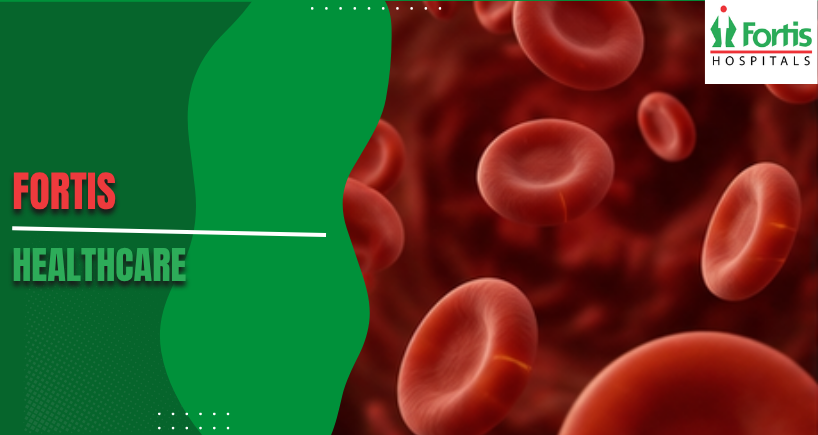


Cancer-Related Causes of Low Hemoglobin What Doctors Look For
Low hemoglobin is often discovered quietly. A routine blood test shows a number lower than expected, and the patient may only report feeling more tired than usual. In people with cancer, that drop carries added weight. Hemoglobin reflects how well red blood cells carry oxygen, and cancer can interfere with this process in several overlapping ways. Sometimes the cause is obvious. At other times it takes careful step by step evaluation to understand why levels are falling.
Clinicians approach anemia in cancer patients with caution because the reasons for low hemoglobin are rarely single or simple. Multiple mechanisms often act together, and treating one without recognizing the others leads to incomplete recovery.
How Cancer Interferes With Red Blood Cell Production
Cancer affects the body beyond the tumor itself. It alters metabolism, immune signaling, and bone marrow function. These changes directly influence red blood cell production and survival.
Common pathways include:
Suppression of bone marrow activity due to inflammatory signals
Reduced iron availability despite adequate iron stores
Shortened red blood cell lifespan
Increased blood loss from fragile tissues or invasive tumors
These mechanisms explain why the causes of low red blood cells in cancer often differ from nutritional anemia seen in otherwise healthy individuals.
Anemia of Chronic Disease in Cancer
One of the most frequent cancer-related reasons for low hemoglobin is anemia of chronic disease. In this condition, iron is present in the body but locked away, unavailable for red blood cell formation. Cancer driven inflammation raises levels of hepcidin, a hormone that blocks iron release from storage sites.
Key features include:
Normal or high ferritin levels despite low hemoglobin
Poor response to oral iron supplements
Gradual decline in hemoglobin rather than sudden drops
This pattern is common in solid tumors and hematologic malignancies. It explains why iron tablets alone often fail to correct anemia in cancer patients.
Bone Marrow Infiltration by Cancer
Some cancers directly involve the bone marrow. Leukemias, lymphomas, multiple myeloma, and metastatic solid tumors can crowd out normal blood-forming cells. When this happens, production of red blood cells drops significantly.
Clinical clues that raise suspicion include:
Low hemoglobin along with low white blood cells or platelets
Abnormal cells seen on peripheral blood smear
Bone pain or unexplained fractures in some cases
Bone marrow involvement is a serious cause of low hemoglobin and requires prompt diagnosis through marrow examination.
Blood Loss From Tumors
Cancer can cause chronic blood loss that goes unnoticed. Tumors of the gastrointestinal tract, urinary system, or gynecologic organs may bleed slowly over time. This steady loss leads to iron deficiency superimposed on other mechanisms.
Doctors consider this possibility when:
Iron studies show depleted iron stores
Stool tests detect occult blood
There is a history of dark stools, hematuria, or abnormal vaginal bleeding
In these cases, the causes of low hemoglobin overlap between cancer related bleeding and nutritional deficiency, making careful investigation essential.
Effects of Cancer Treatments
Treatment itself often contributes to falling hemoglobin levels. Chemotherapy targets rapidly dividing cells, and bone marrow cells fall into that category. Radiation involving marrow-rich areas such as the pelvis or spine can have similar effects.
Treatment-related contributors include:
Chemotherapy induced marrow suppression
Radiation exposure to hematopoietic bone
Reduced appetite and poor nutrition during therapy
Drug induced hemolysis in rare cases
These effects are usually temporary but can become prolonged with repeated treatment cycles.
Nutritional Deficiencies in Cancer Patients
Cancer alters appetite, digestion, and absorption. Nausea, early satiety, taste changes, and gastrointestinal involvement limit intake. Over time, deficiencies develop.
Common deficiencies include:
Iron due to poor intake or blood loss
Vitamin B12 from malabsorption or gastric involvement
Folate deficiency related to chemotherapy or reduced intake
When nutritional factors coexist with inflammation or marrow suppression, anemia becomes more pronounced and harder to correct.
Kidney Involvement and Erythropoietin Deficiency
The kidneys produce erythropoietin, a hormone that stimulates red blood cell production. Cancers involving the kidneys or treatments that damage renal function reduce erythropoietin output.
This mechanism is often seen in:
Renal cell carcinoma
Advanced cancers causing kidney dysfunction
Patients receiving nephrotoxic chemotherapy
In such cases, hemoglobin drops even when iron and marrow function appear adequate.
Special Considerations in Older Cancer Patients
Older adults with cancer often have baseline vulnerabilities. The causes of low hemoglobin in elderly patients frequently include chronic disease, reduced marrow reserve, and pre-existing nutritional deficiencies. Cancer compounds these issues.
Clinicians pay closer attention to:
Polypharmacy affecting absorption or marrow function
Chronic kidney disease reducing erythropoietin
Age-related decline in marrow responsiveness
This explains why anemia in older cancer patients is often more severe and slower to resolve.
How Doctors Investigate Low Hemoglobin in Cancer
Evaluation follows a structured approach rather than assumptions.
Initial assessment includes:
Complete blood count with red cell indices
Peripheral smear review
Iron studies including ferritin and transferrin saturation
Further testing is guided by findings:
Vitamin B12 and folate levels
Kidney function tests
Inflammatory markers
Bone marrow biopsy when indicated
Imaging or endoscopy to detect bleeding sources
This methodical approach avoids missing treatable contributors.
Treatment Strategies Based on Cause
Management depends on identifying and addressing the dominant mechanisms.
Treating Underlying Cancer
Effective cancer control often improves hemoglobin by reducing inflammation and marrow suppression.
Iron Therapy
Oral iron has limited benefit in inflammation driven anemia.
Intravenous iron may help selected patients, especially with coexisting iron deficiency.
Erythropoiesis Stimulating Agents
These agents are used cautiously in certain cancer settings to stimulate red blood cell production, balancing benefits against thrombotic risks.
Blood Transfusion
Reserved for severe or symptomatic anemia. Transfusions provide rapid relief but do not correct the underlying cause.
Nutritional Support
Targeted supplementation for iron, B12, or folate deficiencies improves response to other treatments.
Monitoring and Follow Up
Hemoglobin trends matter more than isolated values. Doctors track response to interventions and adjust plans accordingly. Lack of improvement prompts reassessment for ongoing bleeding, marrow involvement, or treatment toxicity.
What This Means for Patients and Caregivers
Low hemoglobin in cancer is not just a laboratory abnormality. It affects energy, cognition, treatment tolerance, and quality of life. Understanding the reasons for low hemoglobin helps patients engage in meaningful discussions with their care teams.
Persistent fatigue, breathlessness, or dizziness should never be dismissed as inevitable. They are signals that warrant evaluation. With careful investigation and tailored treatment, many causes of low hemoglobin can be managed effectively, even during active cancer therapy.
Addressing anemia supports not only comfort but also the ability to continue cancer treatment safely. For patients and families, asking why hemoglobin is low and what is being done about it is a reasonable and important part of care.
Categories
Clear allRelated Blogs
View all




FAQs

Keep track of your appointments, get updates & more!

