
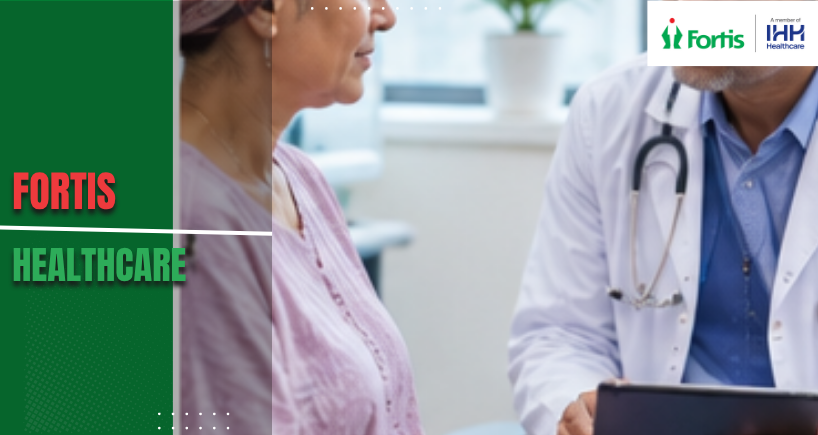


Cancer Specialist Doctor Near Me - How to Find the Right Cancer Specialist for Your Condition
A cancer diagnosis, or even the possibility of one, brings an overwhelming number of decisions all at once. Among the most important is finding the right specialist — but "cancer specialist" isn't a single job title. Different oncologists focus on different aspects of treatment, and knowing this can help you find the right fit faster.
Here's a clear breakdown of the types of cancer specialists, what each one does, and how to choose the right one for your specific situation.
Understanding the Different Types of Cancer Specialists
Medical Oncologist
A medical oncologist manages cancer treatment using chemotherapy, targeted therapy, immunotherapy, and hormone therapy, and often coordinates overall treatment planning.
Surgical Oncologist
This specialist performs surgery to remove tumours and, where relevant, surrounding affected tissue, often working closely with other specialists for combined treatment approaches.
Radiation Oncologist
Radiation oncologists use radiation therapy to target and destroy cancer cells, either as a primary treatment or alongside surgery and chemotherapy.
Haemato-Oncologist
This specialist focuses specifically on blood cancers, such as leukaemia and lymphoma, requiring specialised knowledge distinct from solid tumour treatment.
How to Choose the Right Cancer Specialist
Start With Your Diagnosis Type
The type and stage of cancer often determines which specialist you'll primarily work with first, though most patients eventually see more than one type of oncologist.
Look for Experience With Your Specific Cancer Type
Cancer treatment is highly specialised. A specialist experienced specifically with your cancer type will be better equipped to guide nuanced treatment decisions.
Consider a Multidisciplinary Cancer Centre
Facilities offering multiple oncology specialties under one roof allow for coordinated treatment planning, reducing the burden of managing referrals between disconnected providers yourself.
Ask About Treatment Planning Approach
A good specialist should clearly explain how they'll approach your specific case, including which other specialists may be involved in your care.
Check Credentials and Institutional Affiliation
Confirm the specialist's qualifications, registration, and hospital affiliation, ensuring you're receiving care from a properly credentialed oncology professional.
What to Expect During Your First Oncology Consultation
Your first visit typically involves a detailed review of your diagnosis, imaging, and any biopsy results, followed by a discussion of the recommended treatment approach. Don't hesitate to ask questions about prognosis, side effects, and what a realistic treatment timeline looks like.
Why a Multidisciplinary Approach Matters
Most cancer cases benefit from combined input across surgical, medical, and radiation oncology, alongside supportive care specialists. Choosing a centre where these specialists collaborate directly often leads to more coordinated, efficient treatment planning than managing separate, disconnected appointments.
Questions to Ask When Choosing a Specialist
- What is your experience treating this specific type and stage of cancer?
- What treatment approach do you recommend, and why?
- Will other specialists be involved in my care?
- What does a realistic treatment and recovery timeline look like?
- What support services are available during treatment?
Conclusion
Finding the right cancer specialist starts with understanding that "oncologist" isn't a single role — medical, surgical, radiation, and haemato-oncologists each play distinct parts in cancer care. Choosing a specialist experienced with your specific cancer type, ideally within a multidisciplinary centre, can significantly ease the treatment journey ahead. Don't hesitate to ask direct questions before committing to a treatment plan.
Categories
Clear allMeet the doctor

- Oncology | Medical Oncology | Oncology
-
 11 Years
-
 1200
1200
Related Blogs
View all








Quick Enquiry Form
FAQs

Keep track of your appointments, get updates & more!

