



Cardiac Surgeon in Panvel - Types of Heart Surgery and How Patients Are Evaluated
Heart surgery is one of the most significant medical decisions a patient can face, which is why the evaluation process leading up to it is so thorough. Understanding both the types of heart surgery available and how doctors determine candidacy can make this journey feel far more navigable.
Types of Heart Surgery Performed by Cardiac Surgeons
Coronary Artery Bypass Grafting (CABG)
CABG creates new pathways for blood flow around blocked arteries, typically recommended when multiple or severe coronary blockages are present.
Heart Valve Surgery
This involves repairing or replacing valves that aren't functioning properly, restoring normal blood flow direction and easing symptoms like breathlessness or fatigue.
Minimally Invasive Cardiac Surgery
Certain procedures can now be performed through smaller incisions using specialised techniques, often allowing for shorter hospital stays and faster recovery compared to traditional open-heart surgery.
Arrhythmia Surgery
For certain irregular heart rhythms unresponsive to medication, surgical procedures can help restore normal electrical function within the heart.
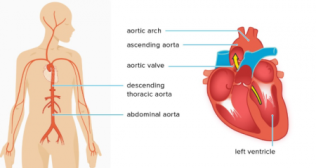
Aortic Surgery
Conditions affecting the aorta, such as aneurysms, may require surgical repair to prevent serious, potentially life-threatening complications.
How Patients Are Evaluated for Heart Surgery
Initial Cardiac Assessment
Evaluation begins with a detailed history, physical examination, and review of existing symptoms and cardiac test results.
Diagnostic Imaging and Testing
Tests such as an echocardiogram, angiography, CT angiography, or stress testing help assess heart structure, blood flow, and overall cardiac function.
Overall Health and Surgical Risk Assessment
Beyond the heart itself, doctors assess overall health, including kidney function, lung function, and other factors that influence surgical safety and recovery.
Multidisciplinary Team Discussion
Complex cases are often reviewed by a team including cardiologists and cardiac surgeons together, ensuring the recommended approach reflects a comprehensive clinical perspective.
What Determines the Right Surgical Approach
The type and severity of the underlying condition, along with a patient's overall health and surgical risk factors, determines whether traditional open surgery, a minimally invasive approach, or a non-surgical alternative is most appropriate.
What to Expect During Recovery
Recovery timelines depend significantly on the specific procedure performed. Many patients begin a structured cardiac rehabilitation program shortly after surgery, which supports physical recovery and helps reduce future cardiac risk through guided exercise and lifestyle changes.
Why Choosing an Experienced Surgical Team Matters
Cardiac surgery outcomes are closely linked to surgical experience and the quality of pre- and post-operative care. Choosing a hospital with an experienced cardiac surgical team and comprehensive rehabilitation support can meaningfully influence both safety and long-term recovery.
Questions to Ask Before Heart Surgery
What type of surgery is being recommended, and why?
What are the expected risks and benefits of this specific procedure?
What will recovery and rehabilitation involve?
Are there minimally invasive alternatives available for my condition?
Conclusion
Heart surgery encompasses a range of specific procedures, each suited to particular cardiac conditions, and candidacy is determined through a thorough, multi-step evaluation process. A cardiac surgeon in Panvel can guide you through understanding which procedure, if any, is appropriate for your specific heart condition and overall health profile.
This article is for informational purposes only and is not a substitute for professional medical advice, diagnosis, or treatment. Always consult a qualified doctor.
Categories
Clear allMeet the doctor

- Cardiac Sciences | Adult CTVS (Cardiothoracic and Vascular Surgery) | Heart & Lung Transplant
-
 15 Years
-
 1500
Related Blogs
View all








FAQs
What types of heart surgery are most commonly performed?
Common procedures include coronary artery bypass grafting, valve repair or replacement, minimally invasive cardiac surgery, and aortic surgery, depending on the condition.
How are patients evaluated for heart surgery candidacy?
Evaluation includes cardiac imaging, stress testing, overall health assessment, and often a multidisciplinary team review before determining surgical candidacy.
Is minimally invasive heart surgery available for all conditions?
Not all conditions are suitable for minimally invasive approaches. Your surgeon will determine the most appropriate technique based on your specific diagnosis.
How long does recovery take after heart surgery?
Recovery varies by procedure type, often involving a structured cardiac rehabilitation program over several weeks to support healing and reduce future risk.
What factors affect surgical risk for heart surgery?
Overall health, including kidney and lung function, along with the severity and type of heart condition, all influence surgical risk assessment.

Keep track of your appointments, get updates & more!

