
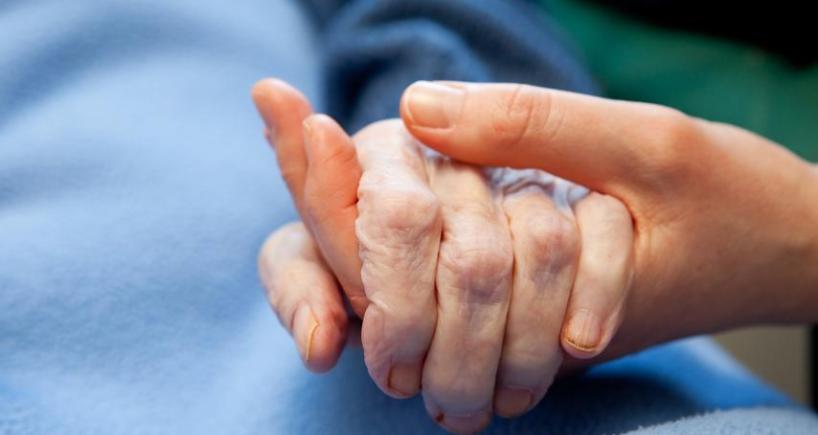


The Caring Touch of Nurses - Giving Hope in End-of-Life Care
Dying is a universal human experience, but how we experience dying is shaped by a range of personal and sociocultural influences as well as by the availability of social and community support and access to quality healthcare systems of which nursing services are an essential component. The role of Nurses is to promote comfort, and dignity and to advocate for universal access to healthcare to patients, especially those who are terminal.
Palliative Care as a Human Right
Today, the World Health Organisation (WHO) acknowledges that Palliative Care (caring for terminal patients) is a human right and should be provided by adept medical staff and healthcare services that pay special attention to the individual's needs. However, it does come with its set of challenges such as:
- Each year, an estimated 40 million people need Palliative Care, 78% of them live in low and middle-income countries.
- Only around 14% of people who need Palliative Care currently receive it, across the globe. In India, it is down to 2%.
- Overly restrictive regulations for pain management drugs and other essential medicines deny access to adequate pain relief and Palliative Care.
- Lack of training and awareness among health professionals is a major barrier to improving access.
- The global need for Palliative Care will continue to grow as a result of the rising burden of non-communicable diseases (NCDs) and ageing populations.
- Timely care for terminal patients can help reduce unnecessary hospital visits and the use of health services.
Nurses: The key solution to these challenges
As the largest workforce in global and Indian healthcare, nurses are in a strategic position to influence the quality of Palliative Care delivery. Fundamentally, nursing has a holistic focus and emphasis on respect for the person’s dignity. Thanks to their personalised care, nurses deliver quality end-of-life care services to people. We delve further into that with these 3 points:
- Hope to live well for as long as possible
- Hope means different things to different people living with life-limiting conditions. For some, hope is linked to a desire to prolong life or for a medical cure, but this may not be clinically possible. Nursing interventions, directed at achieving these goals can play a critical role in enabling people to live well for as long as possible. Plus, it helps people focus on the positive and connect to others. This holistic, person-centred understanding of hope, one that focuses on living well with a life-limiting condition for as long as possible, aligns well with nursing philosophy and practice.
- Hope for universal access to quality Palliative Care
- Sociologist Alan Kellehear states, “It is not Cancer, Heart Disease or medical sciences that present modern dying with its greatest moral tests but rather it is poverty, ageing and social exclusion.” Nursing has great potential to address the challenges associated with social disadvantage through our compassion and reach into communities in need.
- However, one recent multi-country study highlighted that barriers like personnel shortages, lack of funding and policies, poor access to end-of-life or hospital services, and decreased community awareness do deter nurses from pursuing it further. In India, we must address these issues, since nursing services are the key to achieving universal access to quality Palliative Care, no matter what one’s social circumstances.
- Hope for a thriving, comprehensive, integrated system of care
- Even in countries where resources and evidence for Palliative Care exist, these services remain underutilized due to being over-medicalized and losing the human touch. Thus, in these countries and developing ones like India, nurses can voice their thoughts about the care being based on the needs and wishes of the person, their family and community. While there is a false belief that nurses are subordinate to doctors, they are indeed equals when it comes to giving a personal touch to the patients. Hence, they can advocate for individual and community voices to be heard in the care process.
- By contributing to almost every aspect of Palliative Care, holistically, nurses provide hope that our systems will shift to meet the growing demand for these services across the world.
Categories
Clear allMeet the doctor

- Internal Medicine | Internal Medicine
-
 10 Years
-
 650
Related Blogs
View all





FAQs

Keep track of your appointments, get updates & more!

