
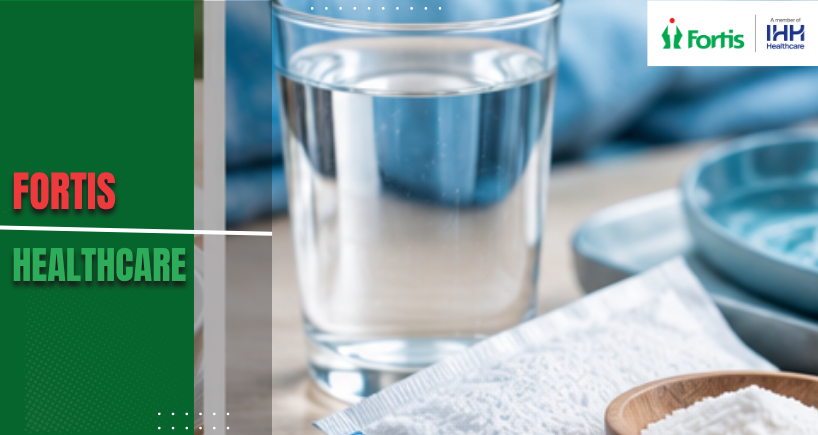


Cholera and Contaminated Water- Signs You Need ORS Immediately
A sudden bout of watery diarrhea after a monsoon meal or a glass of untreated water might seem like routine stomach trouble. But when it comes to cholera, what looks minor in the first hour can turn dangerous within a day. Cholera spreads almost entirely through contaminated water diseases pathways, and the speed at which it dehydrates the body is what makes it so risky if ignored.
This guide covers the key cholera symptoms to watch for, how cholera treatment works, and exactly when ORS for dehydration becomes non-negotiable rather than optional.
What Is Cholera and How Does It Spread?
Cholera is an acute intestinal infection caused by the bacterium Vibrio cholerae. It spreads primarily through water or food contaminated with fecal matter — which is why outbreaks spike after flooding, when sewage and drinking water sources mix. Areas with poor sanitation infrastructure are especially vulnerable during monsoon season.
Unlike many other contaminated water diseases, cholera isn't just uncomfortable — it can cause life-threatening fluid loss within hours if left untreated.
Recognizing Cholera Symptoms Early
The hallmark cholera symptoms typically appear within a few hours to five days after exposure:
- Sudden, profuse watery diarrhea (often described as "rice-water stool")
- Vomiting, especially early in the illness
- Rapid dehydration — dry mouth, sunken eyes, reduced urination
- Muscle cramps, caused by rapid loss of electrolytes
- Low blood pressure and rapid heart rate in severe cases
- Extreme thirst and weakness
What makes cholera particularly dangerous is the sheer volume of fluid loss — some patients can lose several liters of fluid within a matter of hours, which is far more aggressive than typical food poisoning or viral diarrhea.
Why ORS for Dehydration Is the First Line of Defense
The moment cholera symptoms appear, rehydration becomes the priority — even before you reach a hospital. ORS for dehydration (oral rehydration solution) is a simple mixture of salts and sugar in water that helps the body absorb fluids faster than water alone.
Signs that you need ORS immediately include:
- More than 3–4 watery stools within a few hours
- Visible signs of dehydration: dry mouth, dizziness, reduced urination
- Persistent vomiting alongside diarrhea
- Extreme thirst or lethargy
ORS works because it contains the right balance of glucose and electrolytes to help the intestines absorb water, even while diarrhea continues. Waiting until dehydration becomes severe — confusion, very low urine output, or fainting — significantly raises the risk of complications.
How Cholera Treatment Works
Cholera treatment focuses on replacing lost fluids and electrolytes as quickly as possible, alongside targeted care:
- Oral rehydration solution (ORS) — The first and most important step for mild to moderate cases, given continuously in small sips.
- IV fluids for severe dehydration — Patients who can't keep fluids down or show signs of shock need intravenous rehydration in a hospital setting.
- Antibiotics — In moderate to severe cases, doctors may prescribe antibiotics to shorten the duration of illness and reduce fluid loss, though rehydration remains the priority.
- Zinc supplementation — Particularly in children, zinc can help reduce the duration and severity of diarrhea.
- Continued feeding — Contrary to old advice about "resting the gut," continuing to eat during recovery (once vomiting settles) supports faster healing.
With prompt rehydration, cholera has a very high recovery rate. The real danger comes from delayed treatment, not the infection itself.
When to Seek Emergency Care
While ORS can manage many cases at home, certain signs mean you need a hospital right away:
- Inability to keep any fluids down due to persistent vomiting
- Signs of severe dehydration: sunken eyes, extreme lethargy, no urination for 6+ hours
- Rapid heartbeat, very low blood pressure, or fainting
- Diarrhea in infants, young children, or elderly individuals, who dehydrate much faster
- Confusion or unresponsiveness
Cholera can be fatal within hours without treatment, so these signs should never be brushed aside.
Preventing Cholera During Monsoon Season
Since cholera spreads through contaminated water and food, prevention is centered around basic hygiene and safe water practices:
- Drink only boiled, filtered, or bottled water during monsoon season
- Avoid raw or undercooked seafood, especially shellfish
- Wash fruits and vegetables thoroughly, and avoid street food from questionable sources
- Wash hands with soap before eating and after using the toilet
- Ensure proper sewage disposal and avoid contact with floodwater when possible
- Consider the oral cholera vaccine if you live in or are traveling to an outbreak-prone area
Final Thoughts
Cholera moves fast, but it's also highly treatable when caught early. The single most important thing you can do — for yourself or a family member — is start oral rehydration the moment watery diarrhea begins, rather than waiting to see if it gets worse. Combined with safe water practices, this simple step prevents the vast majority of severe outcomes.
Categories
Clear allMeet the doctor

- Gastroenterology and Hepatobiliary Sciences | Gastroenterology | Gastroenterology and Hepatobiliary Sciences
-
 5 Years
-
 1250
1250
Related Blogs
View all
When Is A Liver Transplant Recommended?
Alcoholic Liver Disease - Why Worry?

Binge Drinking Trend Is The New Silent Killer

Irritable Bowel Syndrome

Digestive Disorders And Prevention

FAQs

Keep track of your appointments, get updates & more!

