
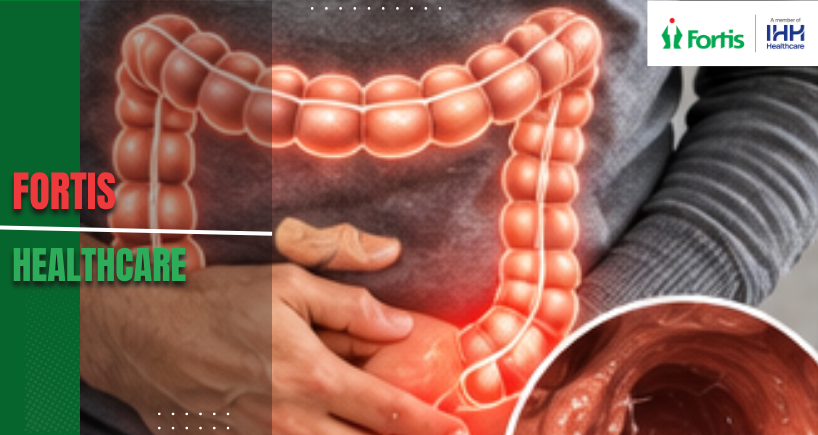


Colon Cancer Warning Signs
Overview and Early Detection
Colon cancer often develops without obvious early symptoms many people discover during routine screening. Knowing what warning signs to watch for means the difference between early detection and advanced disease.
Changes in Bowel Habits
Symptoms include changes in bowel habits lasting more than a few weeks—diarrhea, constipation, or alternating between both. Your stools may become narrower than usual described as pencil-thin. These changes often occur because tumors obstruct normal bowel function or irritate the colon lining.
Blood in Stool or Rectal Bleeding
Visible blood in stool or on toilet paper should never be ignored though it's often dismissed as hemorrhoids. Bright red blood typically indicates lower colon or rectal bleeding while dark or tarry stools may indicate upper colon bleeding. Tumors erode through blood vessels in the colon lining causing bleeding that may be visible or only detectable through testing.
Abdominal Discomfort and Pain
Persistent cramping, abdominal pain, or unexplained bloating for more than a few weeks requires investigation. The location of pain sometimes corresponds to the cancer location—right-sided cancers cause right-sided pain left-sided cancers cause left-sided pain. This pain differs from typical gas or occasional cramping. It's persistent and doesn't resolve with dietary changes or over-the-counter remedies.
Changes in Appetite and Unexplained Weight Loss
Losing 10 or more pounds without intentional dieting is a red flag. Weight loss and loss of appetite often accompany advanced colon cancer as the body's metabolism changes in response to cancer. This occurs because cancer cells consume significant energy and trigger inflammatory responses that suppress appetite.
Fatigue and Weakness
Unexplained persistent fatigue despite adequate sleep often indicates colon cancer particularly if accompanied by other symptoms. Anemia from chronic bleeding can cause fatigue shortness of breath and weakness. Fatigue from colon cancer doesn't improve with rest alone—it persists throughout daily activities.
Less Obvious Symptoms
Persistent nausea or vomiting especially without other obvious causes can indicate advanced colon cancer causing bowel obstruction. This symptom often indicates the cancer has progressed significantly. Colon cancer can spread to nearby nerves or organs causing unexplained lower back pain. This symptom often indicates more advanced disease. Chronic bleeding from colon cancer causes iron loss leading to anemia. Blood tests revealing low iron without obvious cause should prompt investigation even without visible bleeding symptoms.
Why These Symptoms Occur
As tumors grow they physically obstruct the colon triggering constipation or diarrhea. They erode through blood vessels causing bleeding. They irritate surrounding tissue causing cramping and pain. The body's inflammatory response to cancer increases metabolism and suppresses appetite. Chronic blood loss depletes iron stores causing anemia and fatigue. Understanding the mechanism behind symptoms helps you take them seriously rather than dismissing them as minor digestive issues.
When to Seek Medical Attention
Seek Immediate Care For:
Seek immediate care if you experience severe abdominal pain with vomiting signs of severe dehydration or significant rectal bleeding. These indicate potential complications requiring urgent evaluation.
Schedule an Appointment If:
Schedule an appointment if you notice persistent changes in bowel habits lasting more than 2-3 weeks. You see blood in stool or persistent rectal bleeding. You experience unexplained weight loss of 10+ pounds. You have persistent abdominal pain or cramping. You develop unexplained anemia or fatigue. You're over 45 without recent colon cancer screening.
Differences Between Colon Cancer and Other Conditions
Hemorrhoids cause bright red bleeding and aren't necessarily cancer signs. IBS causes cramping and diarrhea but doesn't cause bleeding or weight loss. Gastroenteritis causes acute symptoms lasting days not weeks. Diverticulitis causes severe localized pain but usually improves with treatment.
Family Screening and Genetic Risk
If a family member receives a colon cancer diagnosis younger relatives should discuss screening with their doctors. Family history of colon cancer—especially in close relatives under age 50—significantly increases personal risk. Genetic testing may be appropriate if your family has Lynch syndrome or familial adenomatous polyposis.
Categories
Clear allRelated Blogs
View all









FAQs

Keep track of your appointments, get updates & more!

