
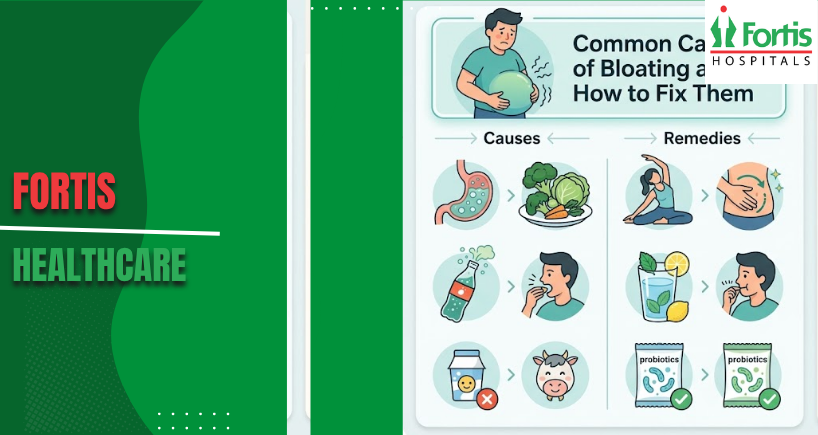


Common Causes of Bloating and How to Fix Them
That tight, uncomfortable feeling of a swollen abdomen after eating is something almost everyone experiences from time to time. Bloating is one of the most common digestive complaints, and while it's rarely serious, it can still significantly affect daily comfort and confidence. Understanding the common causes of bloating and which practical fixes actually help can make a meaningful difference in how often you experience it and how quickly it resolves.
What Causes Bloating
Swallowing Air
Eating too quickly, chewing gum, or drinking carbonated beverages can introduce excess air into the digestive system, leading to bloating.
Certain Foods
Beans, cruciferous vegetables, dairy, and high-fat foods are common triggers for bloating in many people, particularly when consumed in large amounts.
Food Intolerances
Lactose intolerance or sensitivity to certain carbohydrates, sometimes referred to as FODMAPs, can cause significant bloating after eating trigger foods.
Irritable Bowel Syndrome (IBS)
IBS is a common digestive condition strongly associated with recurring bloating, often alongside other symptoms like abdominal pain and irregular bowel habits.
Constipation
When stool moves slowly through the digestive tract, gas and bloating tend to build up as a result.
Eating Too Quickly or Overeating
Large meals or fast eating can overwhelm digestion temporarily, resulting in a bloated, uncomfortable feeling.
Hormonal Fluctuations
Many people, particularly women, experience bloating linked to hormonal changes during the menstrual cycle.
Gut Bacteria Imbalances
An imbalance in gut bacteria can lead to excess gas production, contributing to persistent or recurring bloating.
Practical Fixes for Bloating
- Eat slowly and mindfully to reduce the amount of air swallowed during meals.
- Identify and limit trigger foods, keeping a simple food diary if patterns aren't clear.
- Stay hydrated, as adequate water intake supports healthy digestion and reduces constipation-related bloating.
- Increase fiber gradually, since a sudden jump in fiber intake can actually worsen bloating temporarily.
- Limit carbonated drinks, which introduce excess gas into the digestive system.
- Move after meals, as light activity like walking can support digestion and reduce bloating.
- Manage stress, since the gut-brain connection means stress can directly worsen digestive symptoms.
When Bloating Might Signal Something More
While most bloating is harmless and diet-related, certain patterns deserve closer attention. Persistent bloating that doesn't improve with dietary changes, bloating accompanied by significant pain, or bloating alongside unexplained weight loss or changes in bowel habits should not be dismissed as routine.
When to Consult a Doctor
Occasional bloating after specific meals is common and usually not concerning. However, you should see a doctor if bloating is severe, persistent, or accompanied by symptoms like unexplained weight loss, blood in stool, fever, or significant abdominal pain. Bloating that consistently disrupts daily life despite dietary adjustments is also worth discussing with a healthcare provider to rule out underlying conditions like IBS or food intolerances.
Conclusion
Bloating is an extremely common digestive complaint with a wide range of possible causes, from swallowed air and certain foods to underlying conditions like IBS. In most cases, simple adjustments eating more slowly, identifying trigger foods, staying hydrated, and managing stress can meaningfully reduce how often bloating occurs. That said, persistent or severe bloating, especially alongside other concerning symptoms, is worth discussing with a doctor to ensure nothing more significant is being overlooked.
Categories
Clear allMeet the doctor

- Gastroenterology and Hepatobiliary Sciences | Gastroenterology | Gastroenterology and Hepatobiliary Sciences
-
 5 Years
-
 1250
1250
Related Blogs
View all
When Is A Liver Transplant Recommended?
Alcoholic Liver Disease - Why Worry?

Binge Drinking Trend Is The New Silent Killer

Irritable Bowel Syndrome

Digestive Disorders And Prevention

FAQs
Is bloating after every meal normal?
Occasional bloating after certain meals can be normal, but if it happens after nearly every meal, it may indicate a food intolerance or underlying digestive issue worth investigating.
Can drinking more water actually reduce bloating?
Yes, adequate hydration supports healthy digestion and can help prevent constipation-related bloating, though it won't resolve bloating caused by specific food intolerances.
Are certain foods more likely to cause bloating than others?
Yes, foods like beans, cruciferous vegetables, dairy, and carbonated drinks are common bloating triggers, though sensitivity varies significantly between individuals.
How long does normal bloating usually last?
Diet-related bloating typically resolves within a few hours to a day. Bloating that persists longer or recurs frequently may warrant further evaluation.
Can stress alone cause bloating without any dietary trigger?
Yes, the gut-brain connection means stress can directly affect digestion, sometimes causing bloating even without a specific dietary cause.

Keep track of your appointments, get updates & more!

