
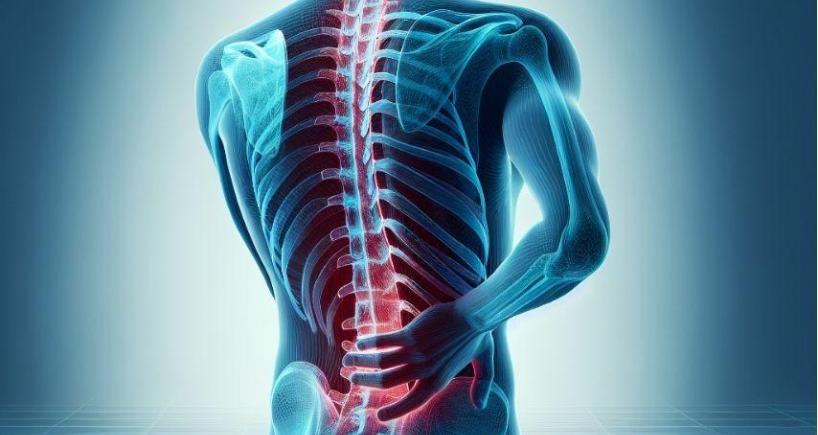


Common Complications of Endoscopic Spine Surgery
Medicine Made Simple Summary
Endoscopic spine surgery has a smaller incision, minimal muscle damage and faster recovery, but like any spine procedure, it carries specific risks. The most common complications include nerve irritation, incomplete decompression, dural tears, infection and recurrence of the problem. Most complications are rare and manageable when recognized early. Understanding what can happen, how often it occurs and what symptoms you should not ignore helps you approach surgery with realistic expectations. A well-informed patient can act quickly if something feels wrong, reducing the chance of long-term issues after surgery.
Introduction: Why Understanding Complications Matters
Many people choose endoscopic spine surgery believing it is risk-free because the incision is small. In reality, the procedure is less invasive than open surgery, but it is still spine surgery. Patients deserve clear, practical information about potential complications so they can make informed decisions.
Adult patients frequently ask:
- “What are the real risks of this surgery?”
- “How common are complications?”
- “Can nerve pain return?”
- “Is infection still possible with such a small incision?”
- “What symptoms should I not ignore?”
This article answers these questions directly, using patient-friendly language without oversimplifying the medical facts.
1. Why Complications Are Possible Even with a Minimally Invasive Technique
Endoscopic spine surgery reduces tissue damage but still involves working around delicate structures.
Key areas at risk during surgery
- Nerve roots
- Thecal sac (the covering of the spinal cord)
- Disc space
- Bony structures
- Blood vessels
Because the procedure is performed through a narrow tube, the surgeon relies on a camera and fine instruments. While these tools reduce collateral damage, they require precision and experience.
2. Nerve Irritation: The Most Common Temporary Complication
What it is
Nerves that were previously compressed can become sensitive when touched, released or manipulated during surgery. This may temporarily worsen or change nerve symptoms.
How it feels to the patient
- Tingling
- Burning
- “Electric shock” sensations
- Brief shooting pain
- Increased numbness for a few days
These symptoms often fluctuate because the nerve is healing after months—or sometimes years—of compression.
Why it happens
- The nerve has been inflamed before surgery
- Surgical instruments may brush the nerve
- Swelling in the area can temporarily irritate the nerve
When it becomes concerning
- Increasing weakness
- Worsening numbness
- Pain that rises steadily rather than improves
These signs require medical review.
3. Incomplete Decompression: When Pain Persists After Surgery
What it means
In some cases, the tissue causing nerve compression cannot be fully removed through the endoscopic approach. This is more likely if the narrowing is severe or if bone spurs are extensive.
Symptoms patients may notice
- Persistent leg or arm pain
- Continued tingling
- No improvement after a few weeks
- Pain that is unchanged from before surgery
Why it happens
- The anatomic corridor is too tight for complete access
- Bone spurs are large or located in difficult angles
- Multilevel stenosis was underestimated
- The disc fragment migrated beyond reachable areas
What surgeons may recommend
- Repeat MRI
- Physiotherapy
- A second endoscopic attempt (in selected cases)
- Conversion to open surgery if necessary
Incomplete decompression is not common, but it is a known limitation of minimally invasive approaches.
4. Recurrence of Disc Herniation: A Risk Shared with All Disc Surgeries
What recurrence means
A new fragment of disc material can herniate again at the same level, even after successful removal during surgery.
How common it is
Recurrence rates for endoscopic surgery are similar to traditional discectomy, ranging from 5–10% depending on factors such as age, activity level and disc health.
Symptoms of recurrence
- Return of leg or arm pain after weeks or months
- New numbness or tingling
- Sharp pain during bending or lifting
Why recurrence happens
- The disc continues to degenerate
- Activity-related strain
- The outer disc wall remains weak
- Genetics may predispose some patients to re-herniation
Prevention strategies
- Strengthening core muscles
- Avoiding heavy lifting early
- Practicing proper ergonomics
Recurrence can be treated again with endoscopic or open techniques depending on severity.
5. Dural Tear: A Rare but Important Complication
What is the dura?
The dura is the thin covering around the spinal cord and nerve roots. A small tear can allow spinal fluid to leak.
How it may occur
- Instruments accidentally nick the dura
- Scar tissue from previous surgery makes the dura thin
- A disc fragment is stuck tightly to the dura
Symptoms patients may experience
- Persistent headache that worsens when standing
- Clear fluid leakage from the incision (rare)
- Dizziness or nausea
How surgeons manage it
- Many tears are very small and seal naturally
- Larger tears may require a patch or suture
- Patients may be asked to lie flat temporarily
Although rare, this complication must be recognized and treated promptly.
6. Infection: Lower Risk, But Not Zero
Endoscopic surgery involves tiny incisions, so infection risk is lower compared to open surgery, but it can still occur.
Types of infection
- Superficial wound infection
- Deep infection involving the disc space (rare)
Symptoms to watch for
- Redness around the incision
- Warmth or swelling
- Fever
- Drainage from the wound
- Increasing back pain
Why infections happen
- Bacteria entering through the incision
- Poor wound care at home
- Underlying diabetes or immune conditions
Treatment
- Oral antibiotics
- IV antibiotics for deeper infections
- Rarely, surgical cleaning
Prompt treatment usually leads to full recovery.
7. Bleeding or Hematoma: Uncommon but Possible
Why bleeding happens
Even though the incision is small, small vessels can bleed during or after surgery.
What patients may experience
- Increasing back pain
- Tightness or pressure around the incision
- Rarely, leg weakness if the hematoma compresses a nerve
Risk factors
- Blood thinners
- Clotting disorders
- Large disc spaces
Treatment
- Observation for mild cases
- Surgical evacuation for severe compression
Hematoma is rare in endoscopic surgery but important to monitor.
8. Instrument-Related Complications: Technology Helps, But Tools Can Fail
Endoscopic instruments are delicate and precise. Very rarely, complications may arise from instrument malfunction.
Examples
- Breakage of a tiny instrument tip
- Camera malfunction
- Equipment failure during surgery
Surgeon’s actions
- Retrieve instrument fragments
- Convert to open surgery if necessary (very rare)
These complications are uncommon in experienced hands.
9. Medical Complications Not Related to the Spine
Like any surgery, general medical complications can occur.
Examples
- Reaction to anesthesia
- Blood pressure fluctuations
- Urinary retention after anesthesia
- Leg swelling from reduced movement early after surgery
How hospitals control these risks
- Pre-op evaluation
- Monitoring during surgery
- Early mobilization
- Hydration and pain control
These risks are low in healthy patients.
10. Who Is at Higher Risk for Complications?
Not all patients face the same level of risk.
Factors that increase complication likelihood
- Diabetes
- Smoking
- Previous spine surgeries
- Severe spinal stenosis
- Obesity
- Long-standing nerve compression
How risk is minimized
- Careful patient selection
- Detailed imaging before surgery
- Clear pre- and post-surgery instructions
- Surgeon experience with endoscopic techniques
Discussing these factors with your doctor helps you understand your personal risk profile.
11. Warning Signs After Surgery: What Should Alarm You
Knowing what is abnormal is critical.
Urgent symptoms requiring immediate attention
- New or worsening leg or arm weakness
- Sudden loss of bladder or bowel control
- Sharp increase in back or limb pain
- Fever or chills Redness or drainage from the incision
- Severe headache after sitting or standing
- Persistent numbness spreading to new areas
Prompt reporting leads to better outcomes.
12. How Common Are Complications Overall? A Realistic Perspective
Endoscopic spine surgery has excellent safety data when performed by experienced surgeons.
Approximate complication rates (may vary by center)
- Nerve irritation: 5–10%
- Incomplete decompression: 2–5%
- Recurrent disc herniation: 5–10%
- Dural tear: 1–3%
- Wound infection: <1%
- Hematoma: <1%
These numbers highlight that while risks exist, complications are overall uncommon.
Conclusion
If you are considering endoscopic spine surgery, schedule a consultation with a spine specialist who can explain your individual risk profile. Understanding potential complications—not just the benefits—helps you make a well-informed, confident decision about your spine health. If you are already recovering, contact your surgeon immediately if any warning signs appear.
Categories
Clear allMeet the doctor

- Orthopaedics | Orthopaedics and Spine Surgery
-
 19 Years
-
 1100
1100
Related Blogs
View all







FAQs

Keep track of your appointments, get updates & more!

